Gabriel Mena – Macro
> gmena@staym88.com
Scott Henderson & Ruby Kaye – CAA
> scott.henderson@caa.com
> ruby.kaye@caa.com
Sam Greenwood & Nish Panchal – Curtis Brown
> Sam.Greenwood@curtisbrown.co.uk
Mun-Jung Chan – Onkaos
> m@onkaos.com
Martin Rocker – Black Dog Films
> martin@blackdogfilms.co.uk
Damiano Vukotic – RSA
> damiano@rsafilms.co.uk
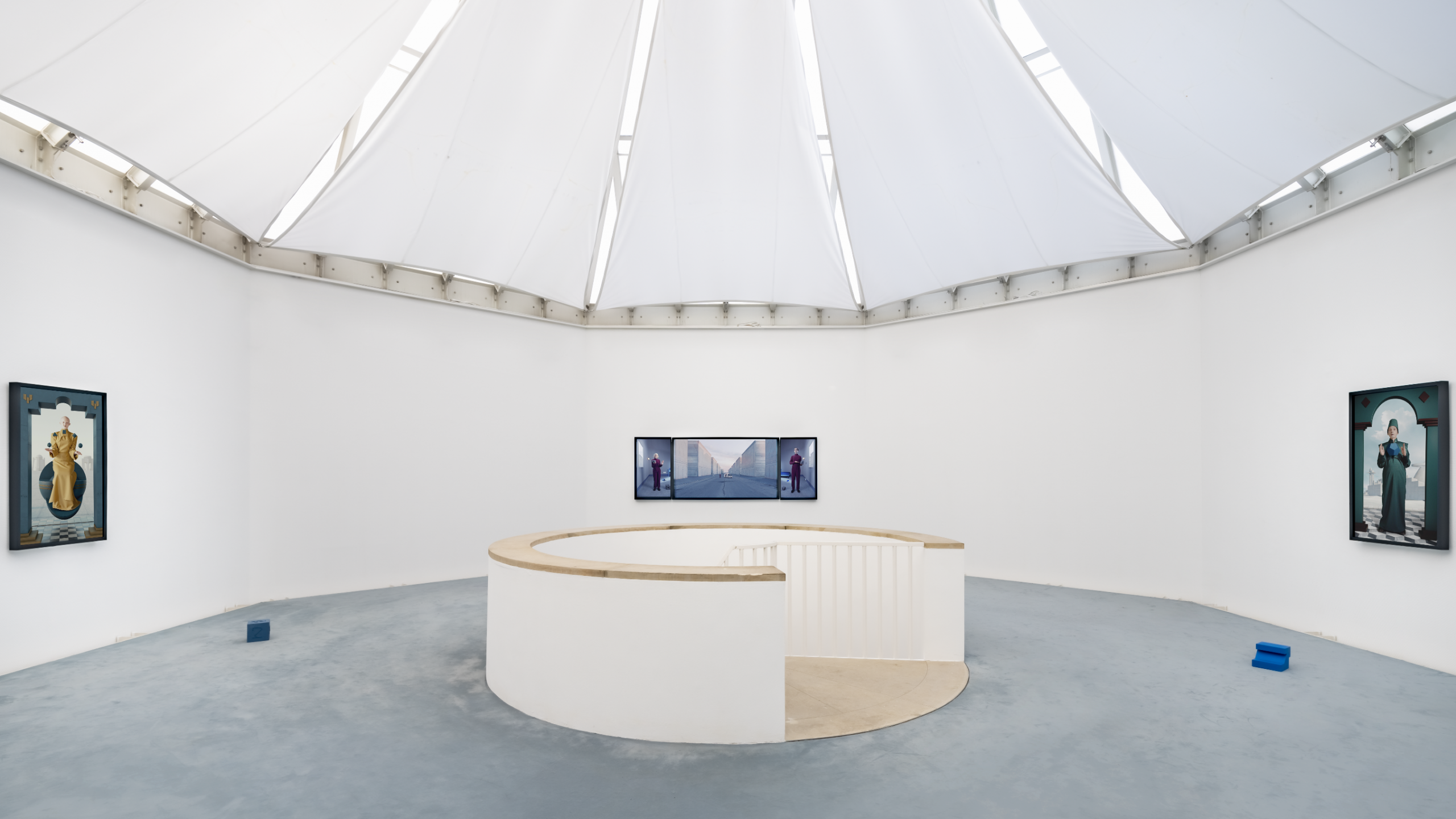
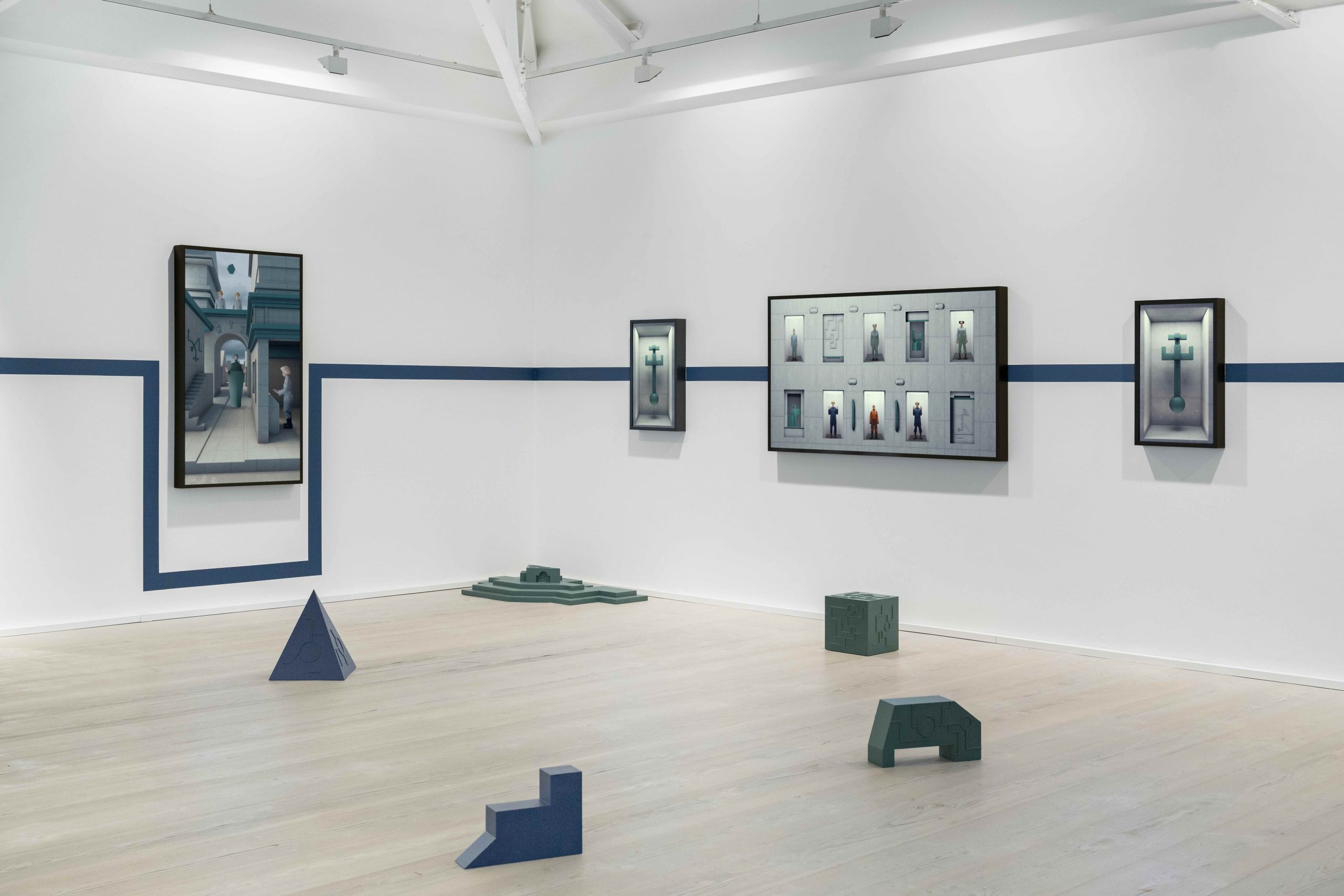
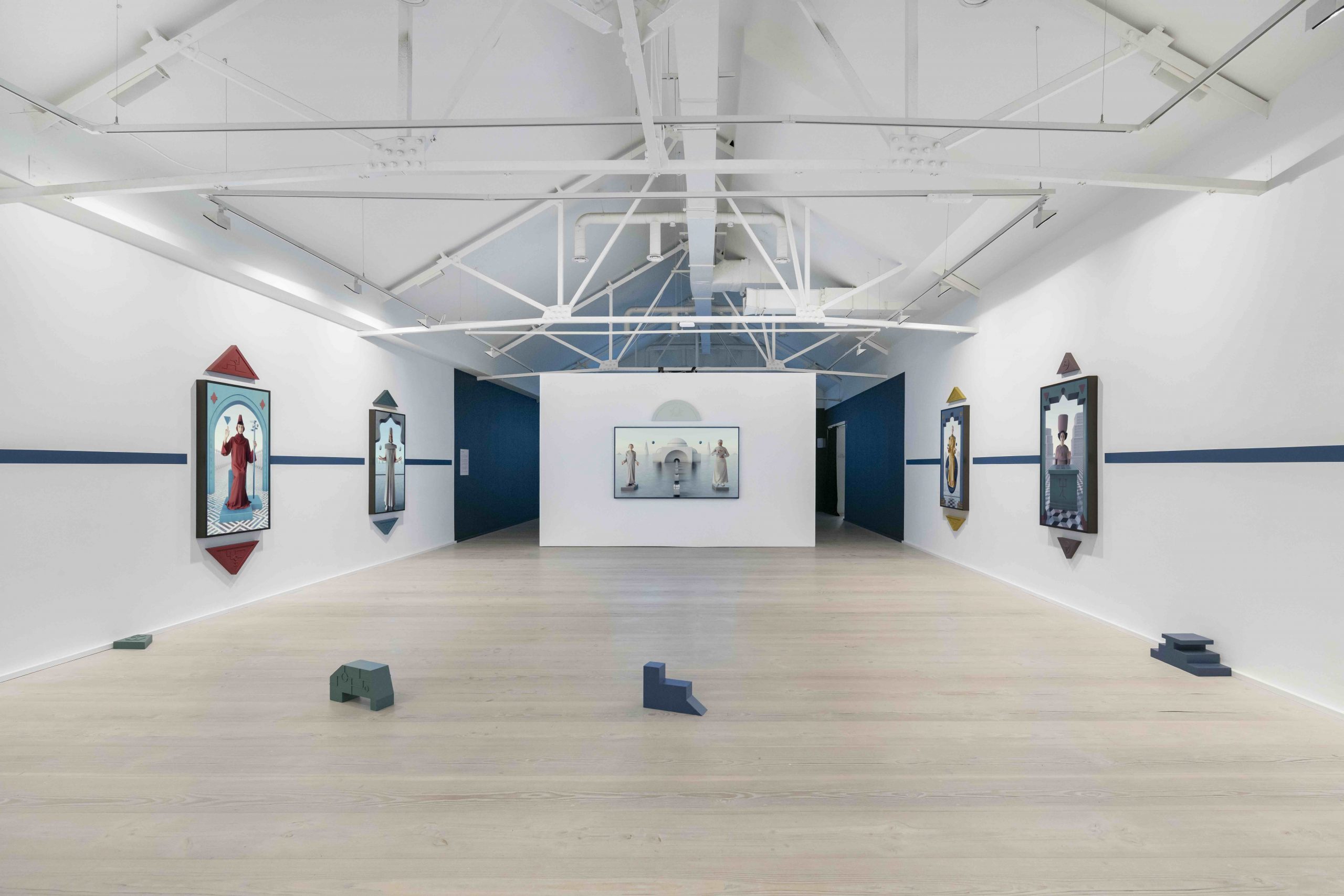
Saatchi Gallery
Curated by Philippa Adams
Celebrating four decades of ground-breaking contemporary art, The Long Now is an expansive group show presenting new works by iconic artists closely associated with the Gallery’s dynamic history, alongside fresh voices from a new generation.
The Long Now takes its name from a concept of fostering long-term thinking and challenging throwaway culture. Newly created works appear alongside historic pieces that remain impactful and relevant, continuing Saatchi Gallery’s tradition of showing art of the present while giving artists the space to realise ambitious ideas.
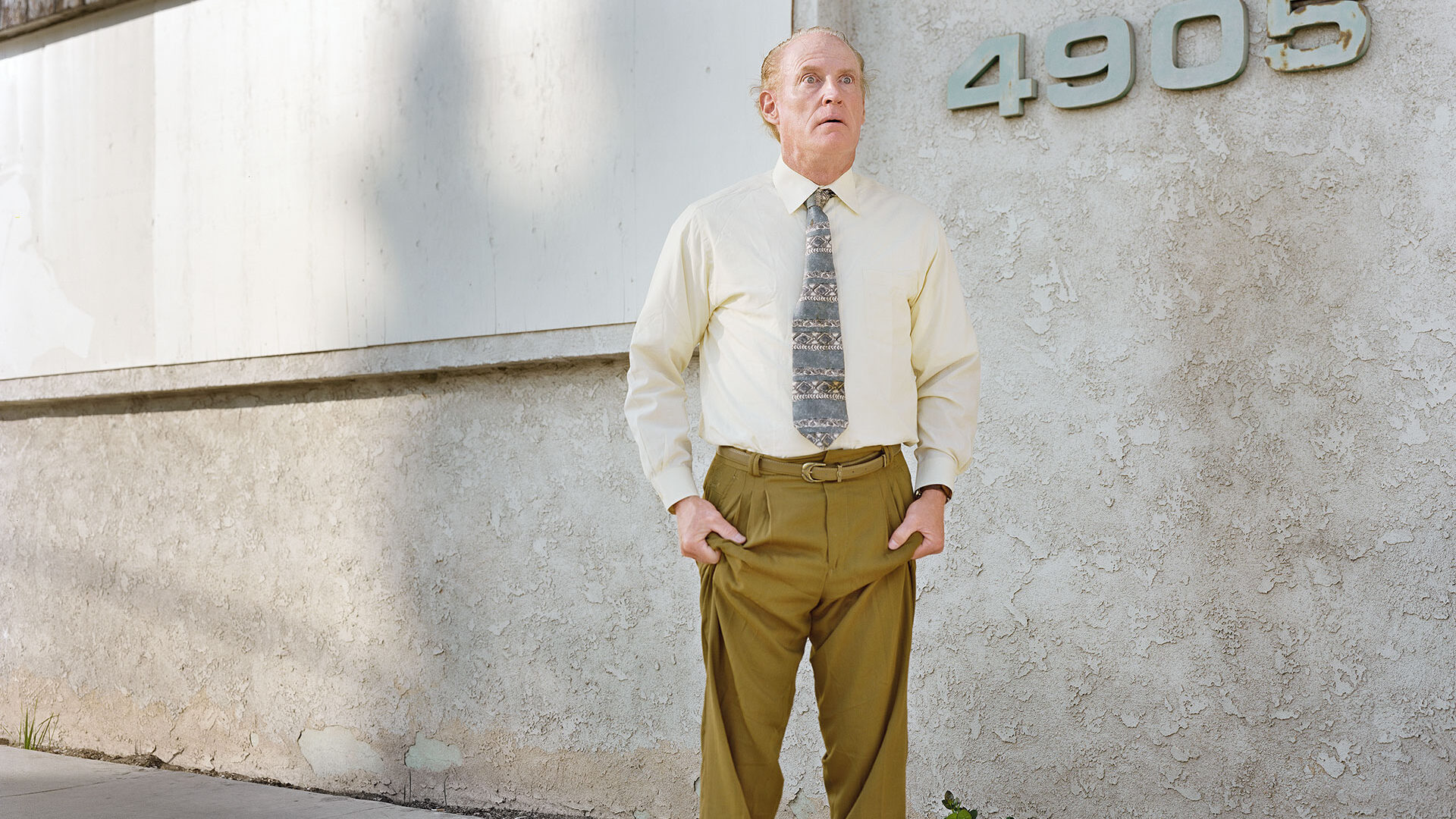
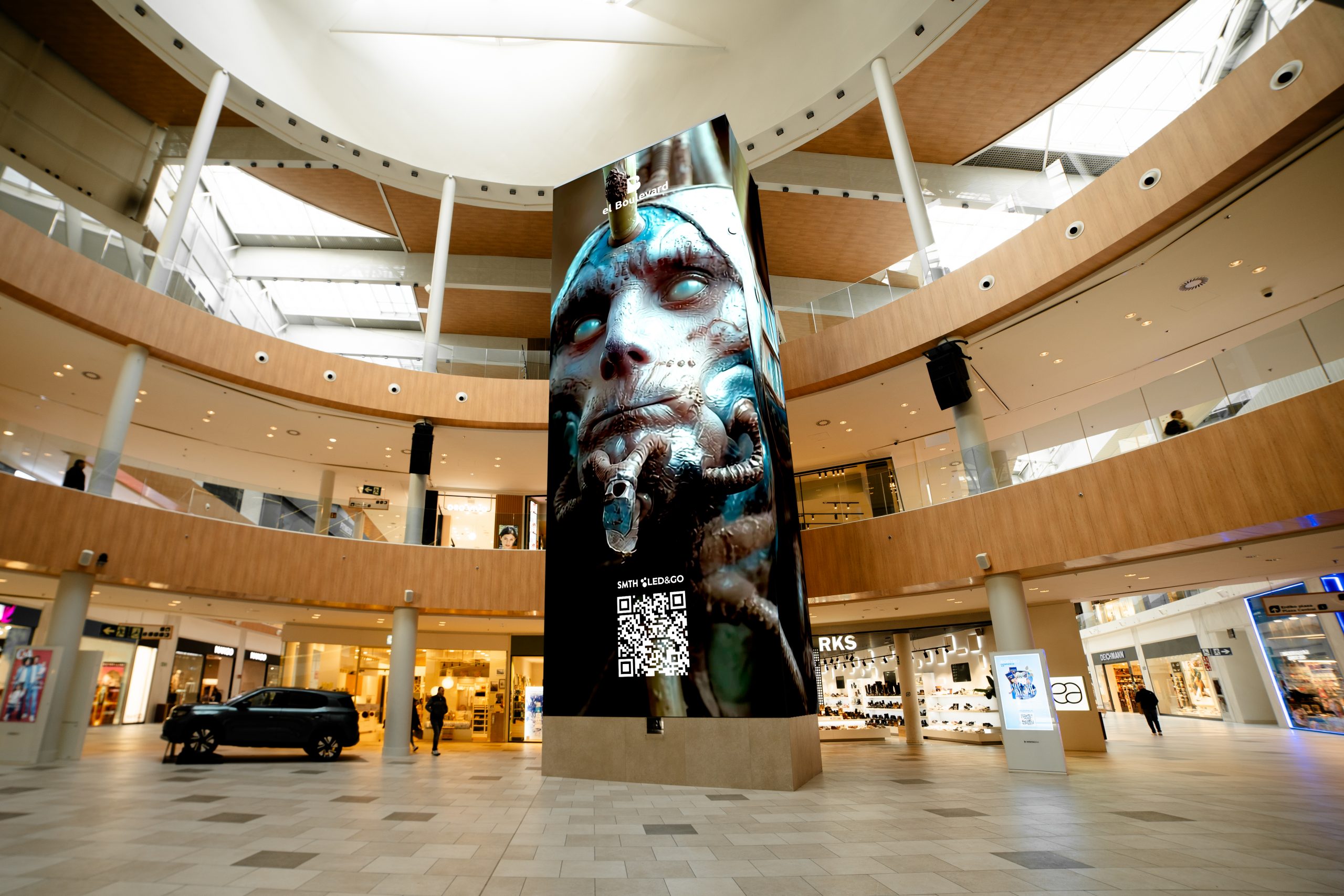
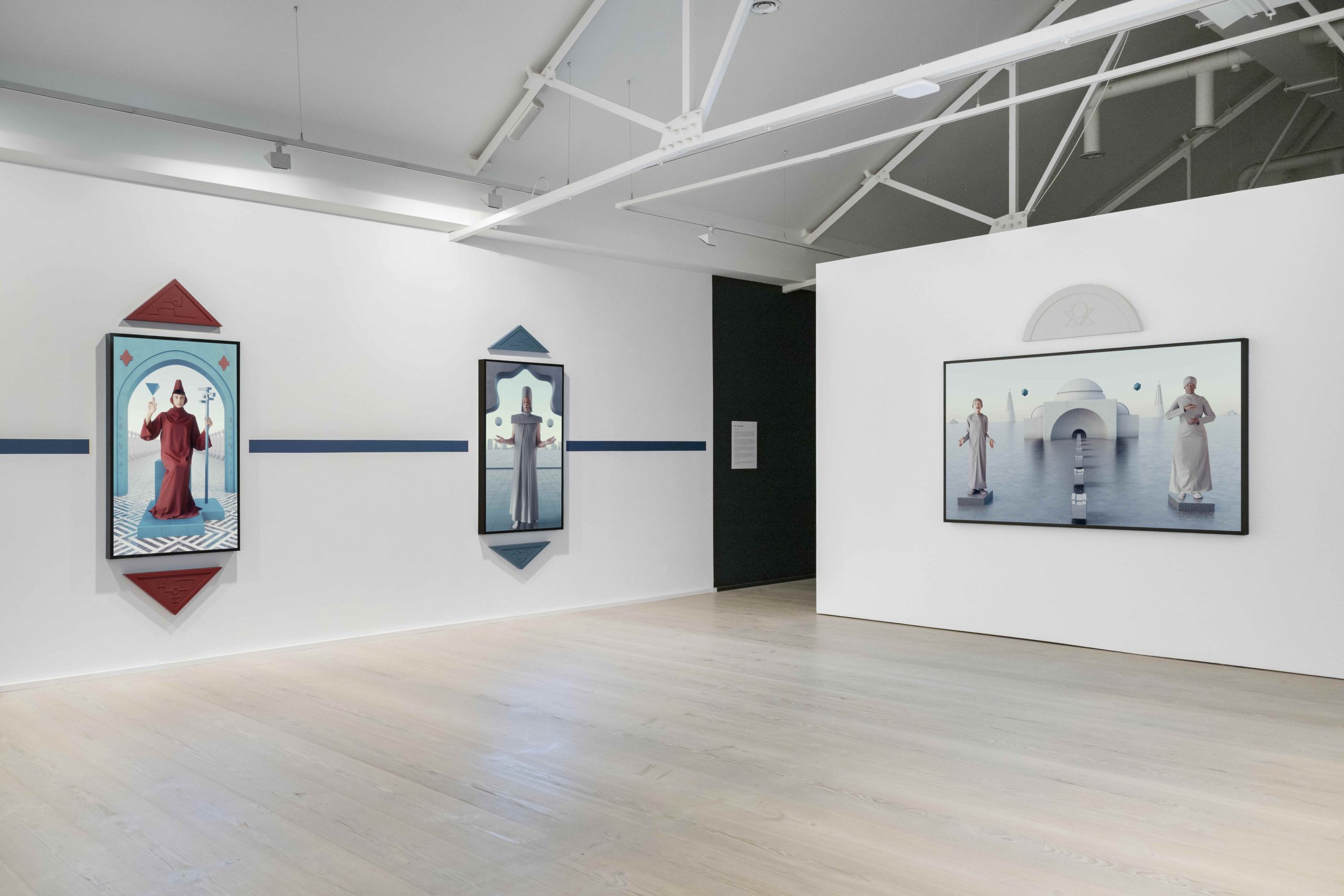
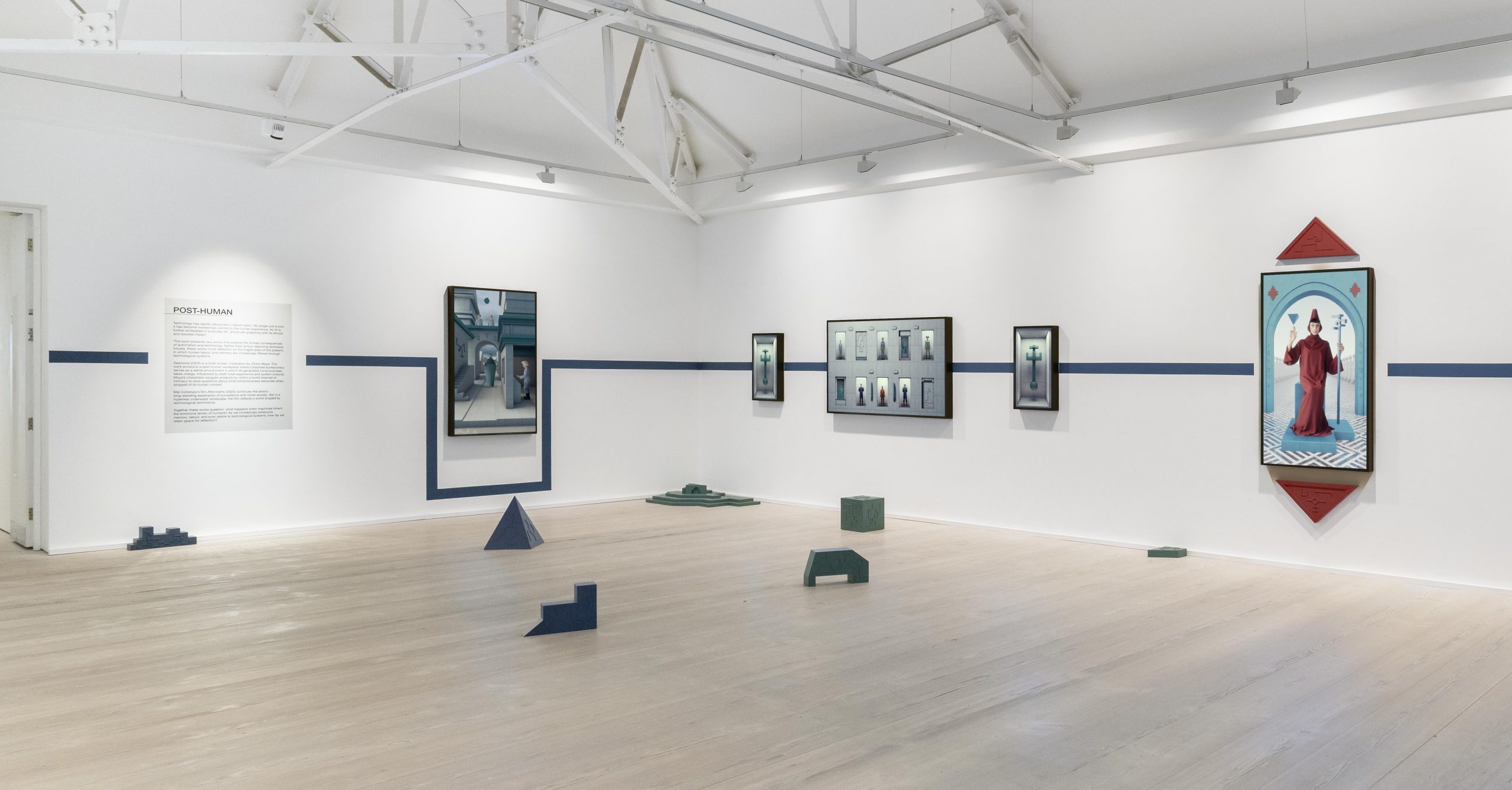
Amongst painting, sculptures and installation, the exhibition also raises questions of technology and the future, with Chino Moya, Mat Collishaw and Tom Hunter reflecting on surveillance, automation and AI – considering how the digital world permeates contemporary life.
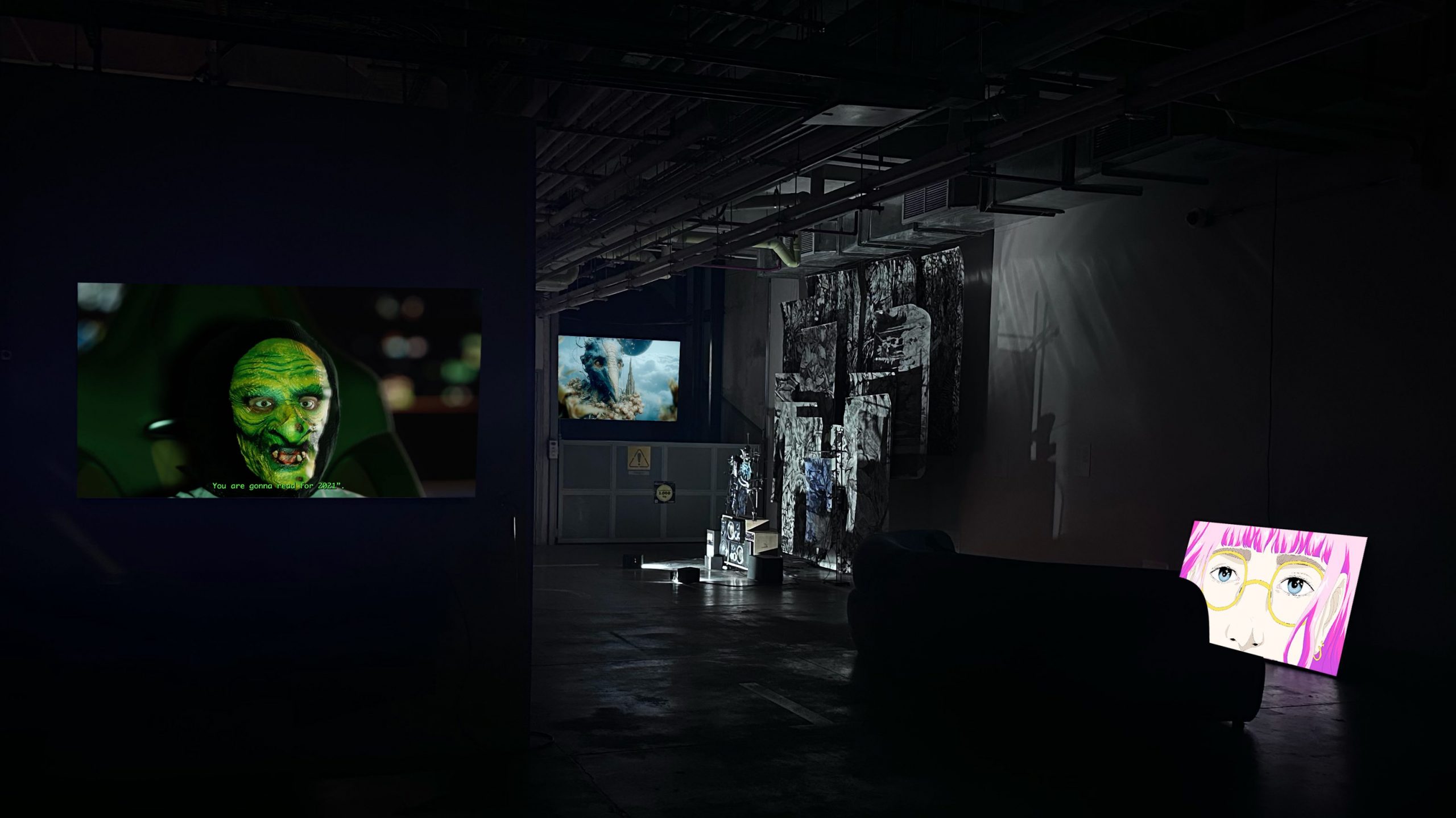
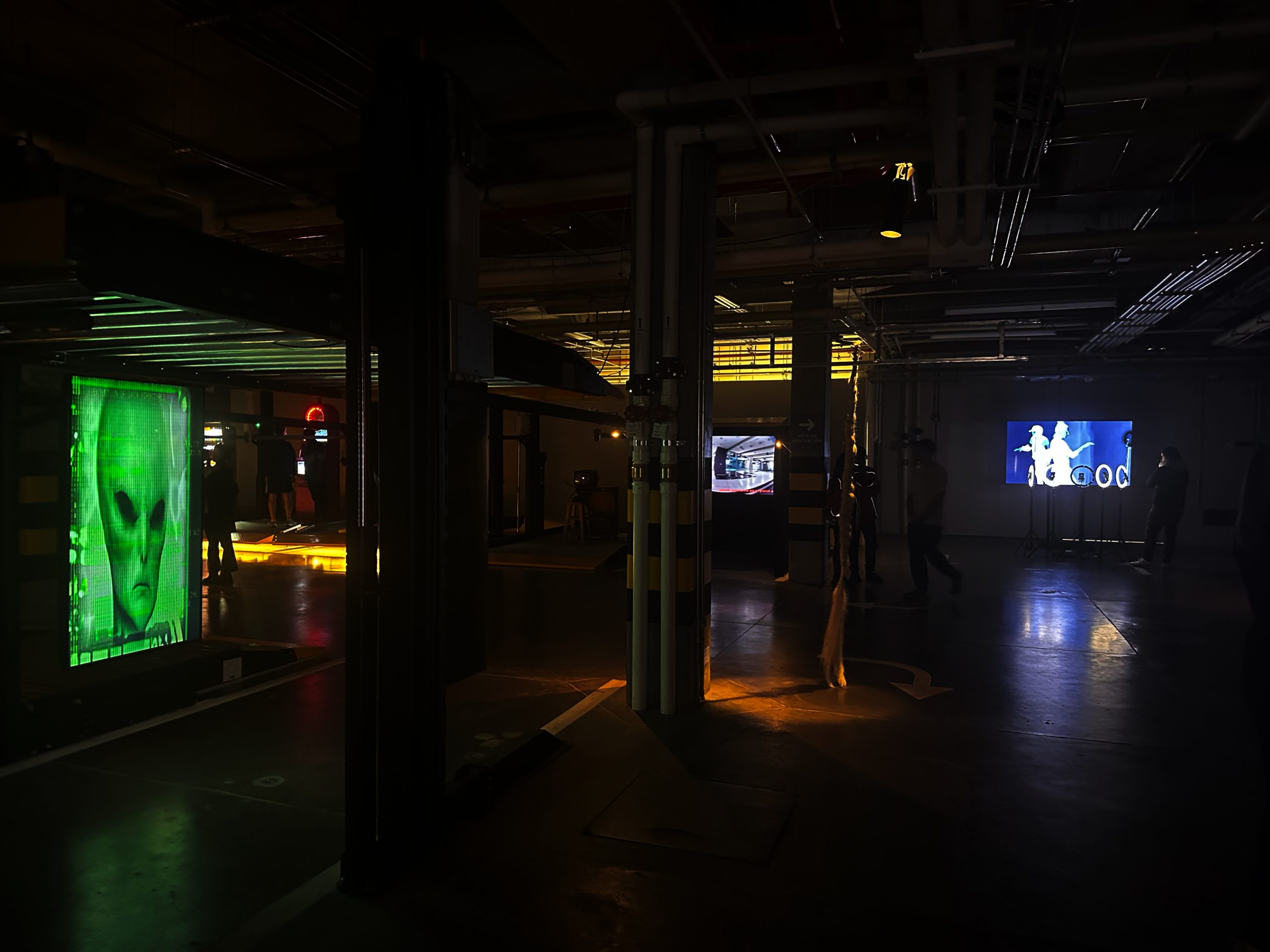
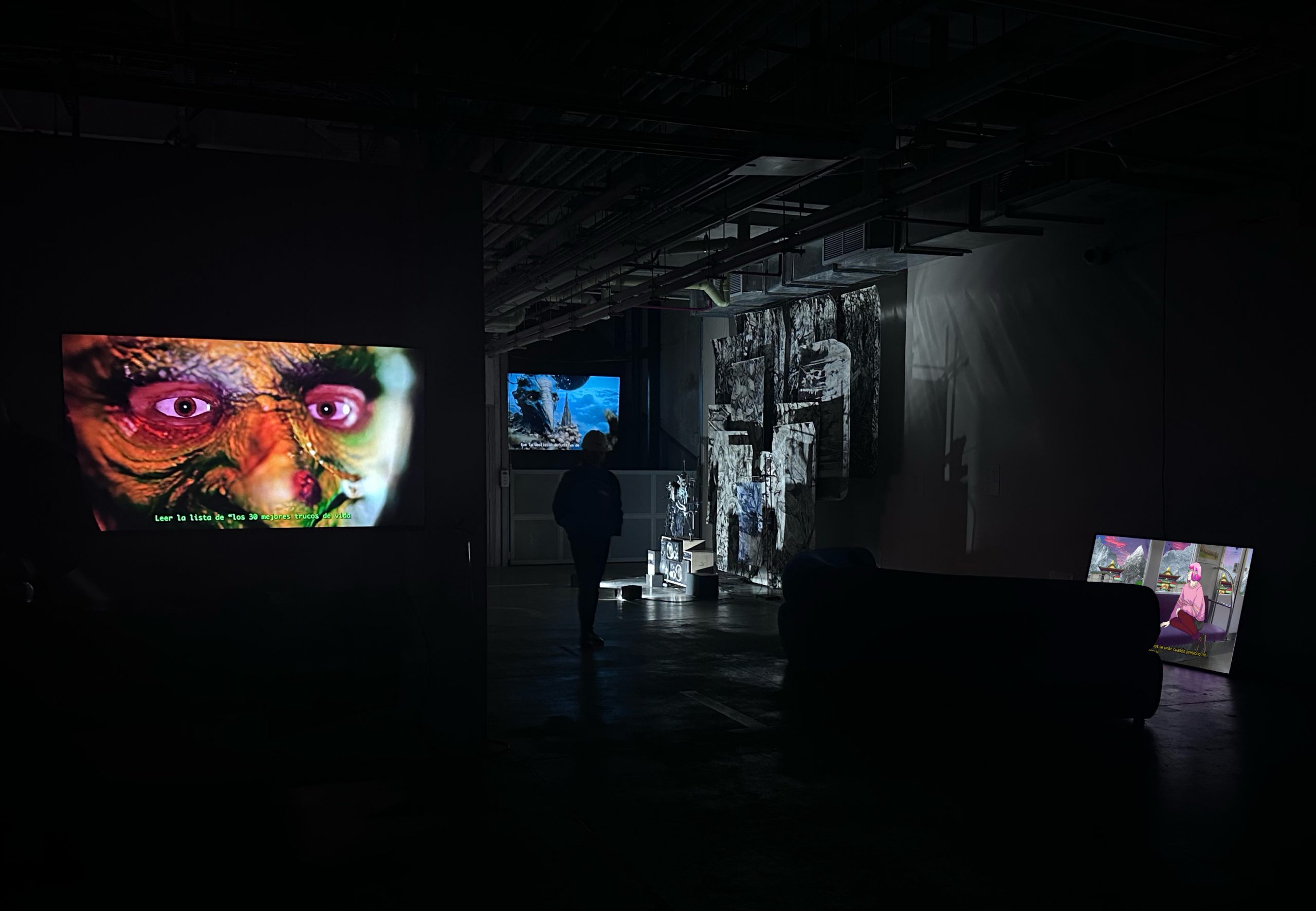
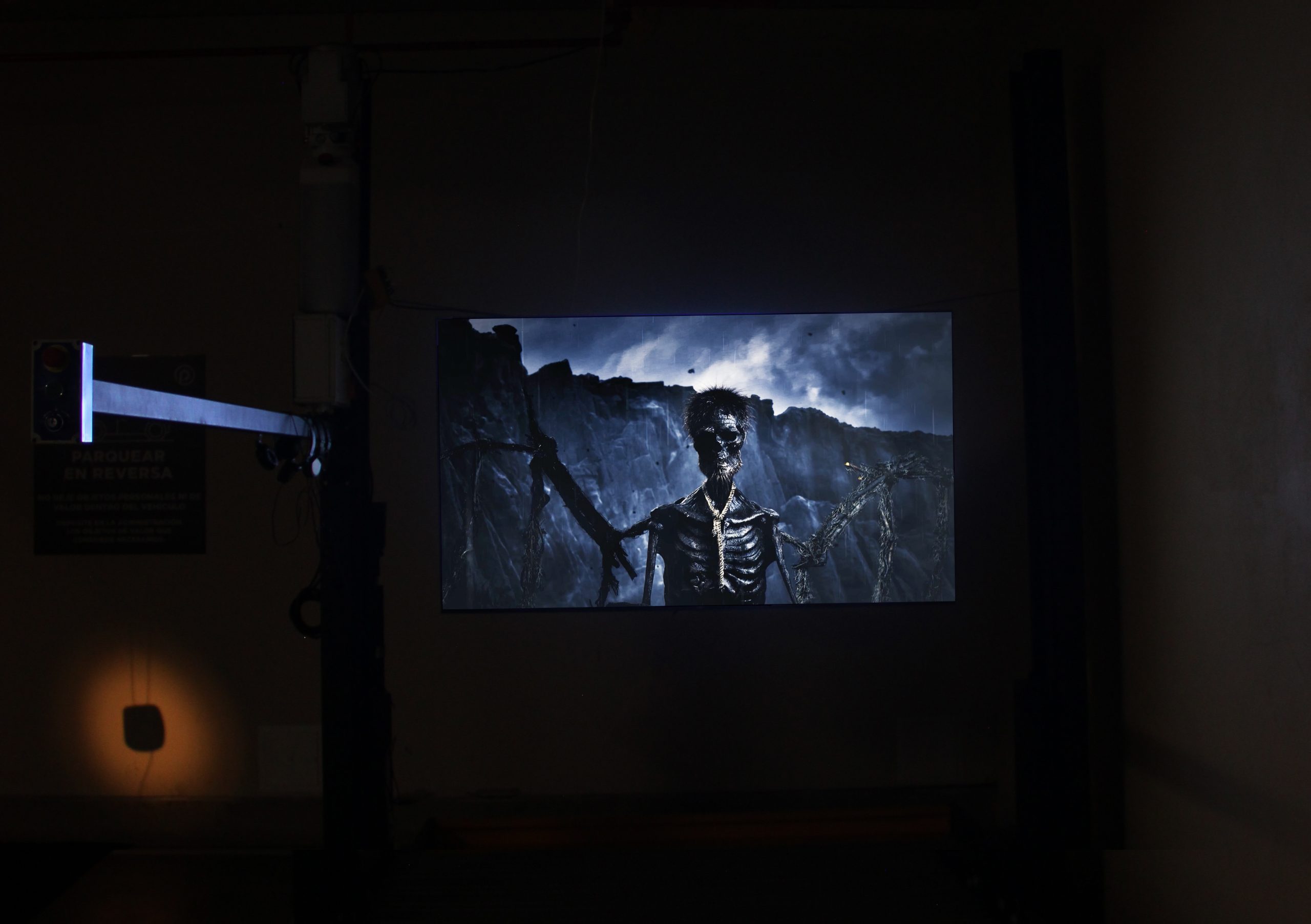
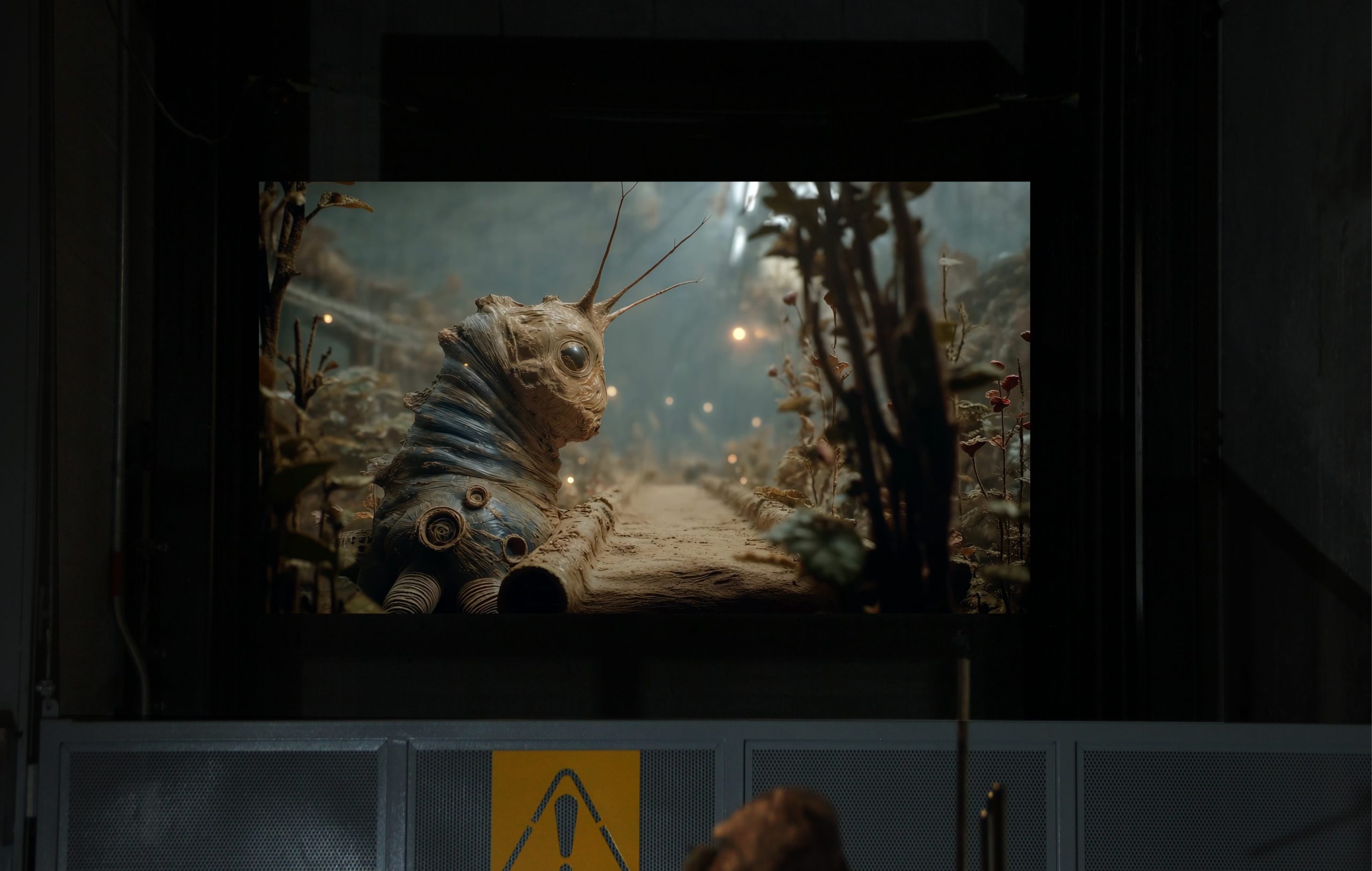
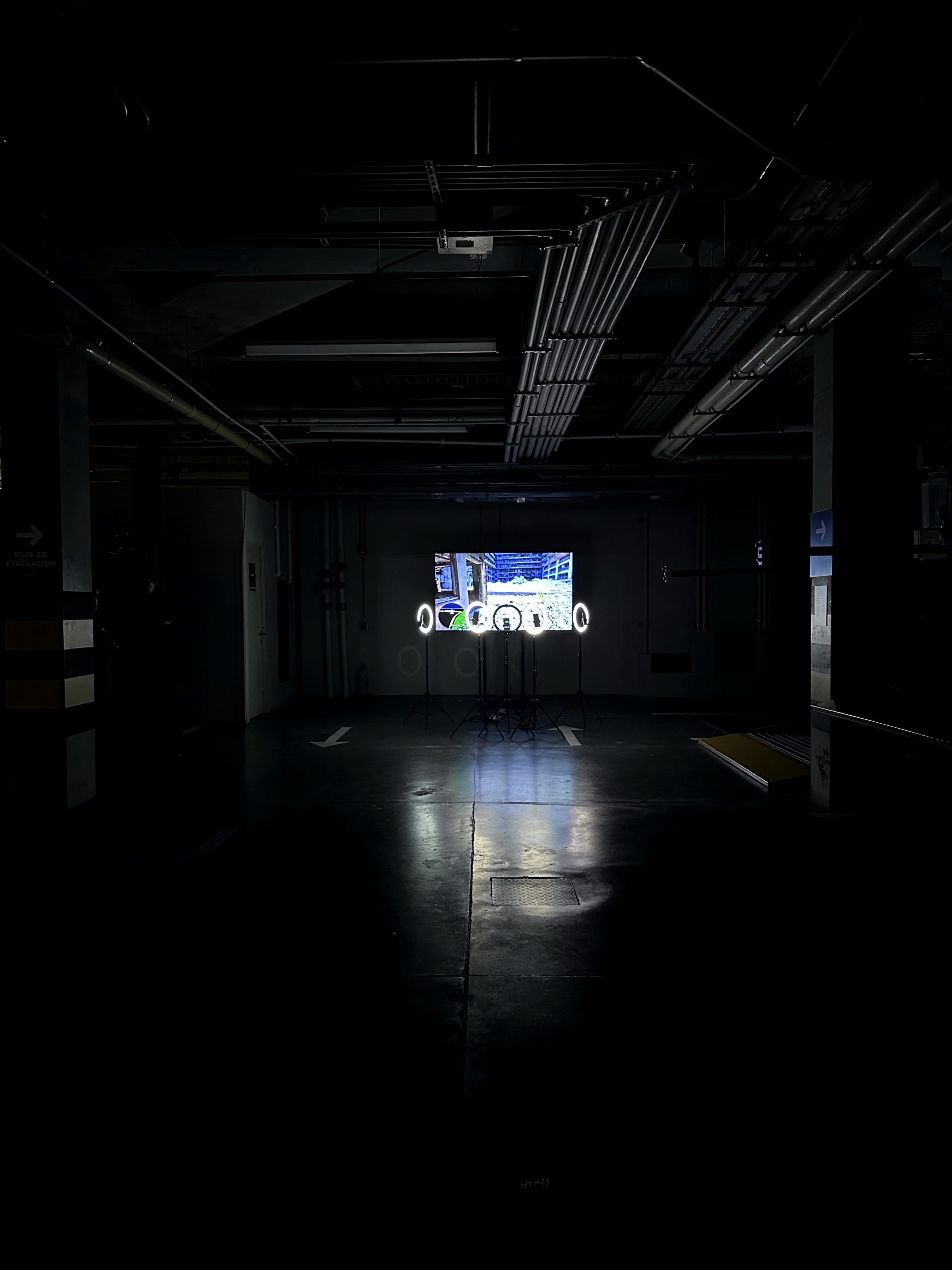
Curation of the moving image section at Voltaje, Bogotá
In 1971, two seemingly unrelated events reprogrammed the course of history. The launch of the Intel 4004, the first microprocessor, condensed into a coin-sized chip the computational power that had required an entire room up until then. That same year, Nixon decoupled the dollar from its gold standard, inaugurating a new phase of ultrafast financial dematerialisation. As the virtual experience began to displace the physical, we stepped into the information age, an era of alluring abstractions and simulated affects.
After half a century of uneasy balance between the digital and the tangible, a third realm has emerged. A whole new reality generated by non-human agents is now threatening humanity’s hegemonic control over the real. Synthetic data is colonising the digital space at an astonishing pace. In fields like stock image production, human output is already peripheral. After such a swift shift, we now have to confront the idea of these non-human actors rewriting materiality itself. Perhaps our exhausted physical world and oversaturated virtual sphere are already obsolete, and reality can only be bug-fixed through synthetic consciousness and neural architectures.
In Philip K. Dick’s The Three Stigmata of Palmer Eldritch hallucinogenic Chew-Z users, enter recursive, self-generating dimensions much like the readers of Borges’ Tlön Encyclopedia. Alongside William Gibson’s cyber-visions, these texts prefigured the auto-evolutive information technologies now sprouting everywhere.
Reality’s instability has become one of the defining traits of an era in which the material, the digital and the generative compete for our time and attention. The list of artists and works included in this program attempts to showcase this multiplicity of realities and these infosystems’ ontological fragility. Hybrid formats mixing live action, CG and generated footage, meme cinema, game-engine narratives and films that question the boundaries between human and algorithmic authorship make StreamSlip, the digital moving image selection of Voltaje’s 2025 edition.
These works fuse critical theory with speculative fiction in an attempt to make some sense of our increasingly nonsensical world. The cosmic horror that haunted modern societies – a universe that expanded beyond human comprehension – has mutated into an absurd quantum farce, with tinges of dark comedy, in which information qubits drift aimlessly throughout the invisible landscapes of the nanosphere.



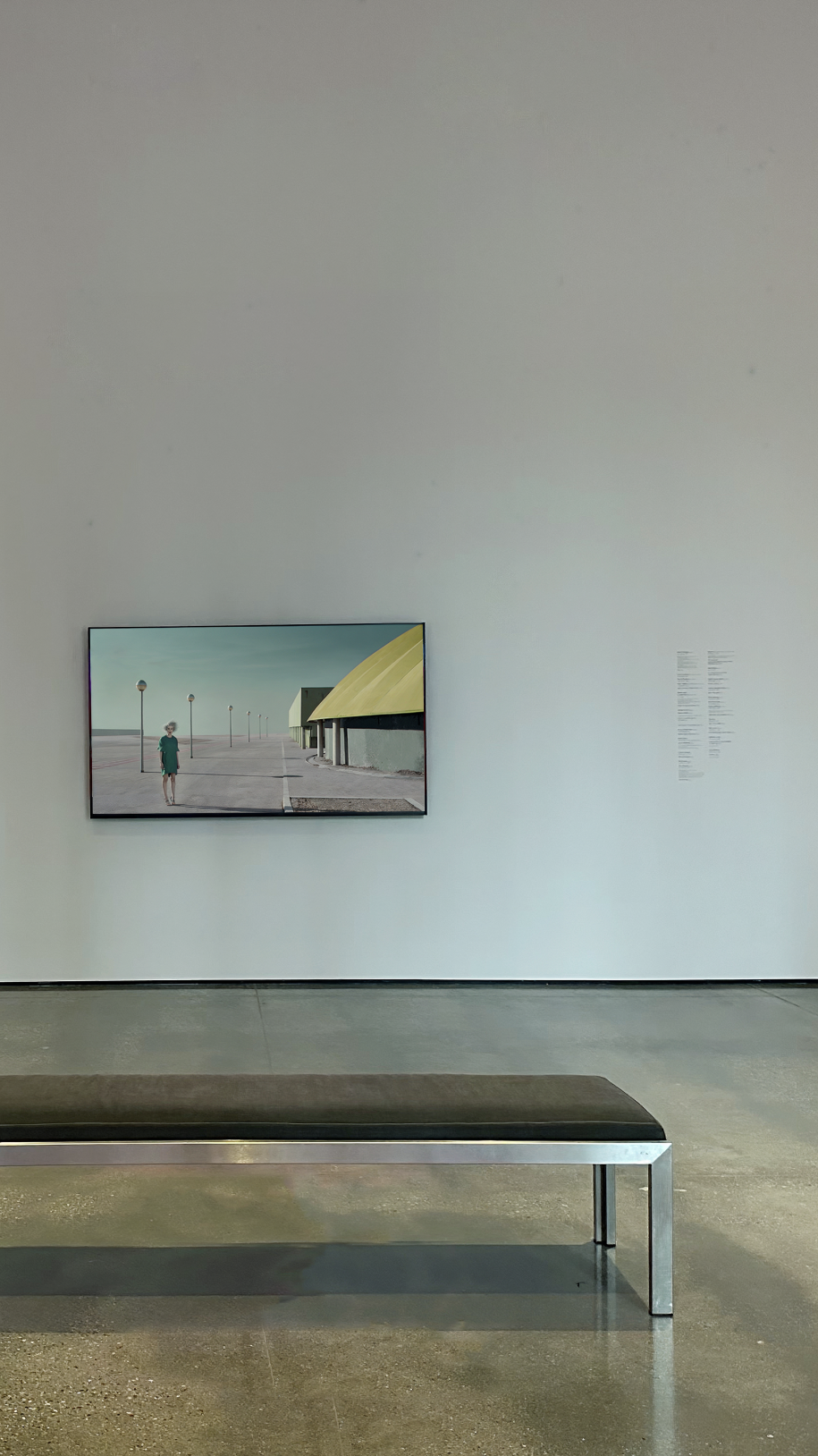
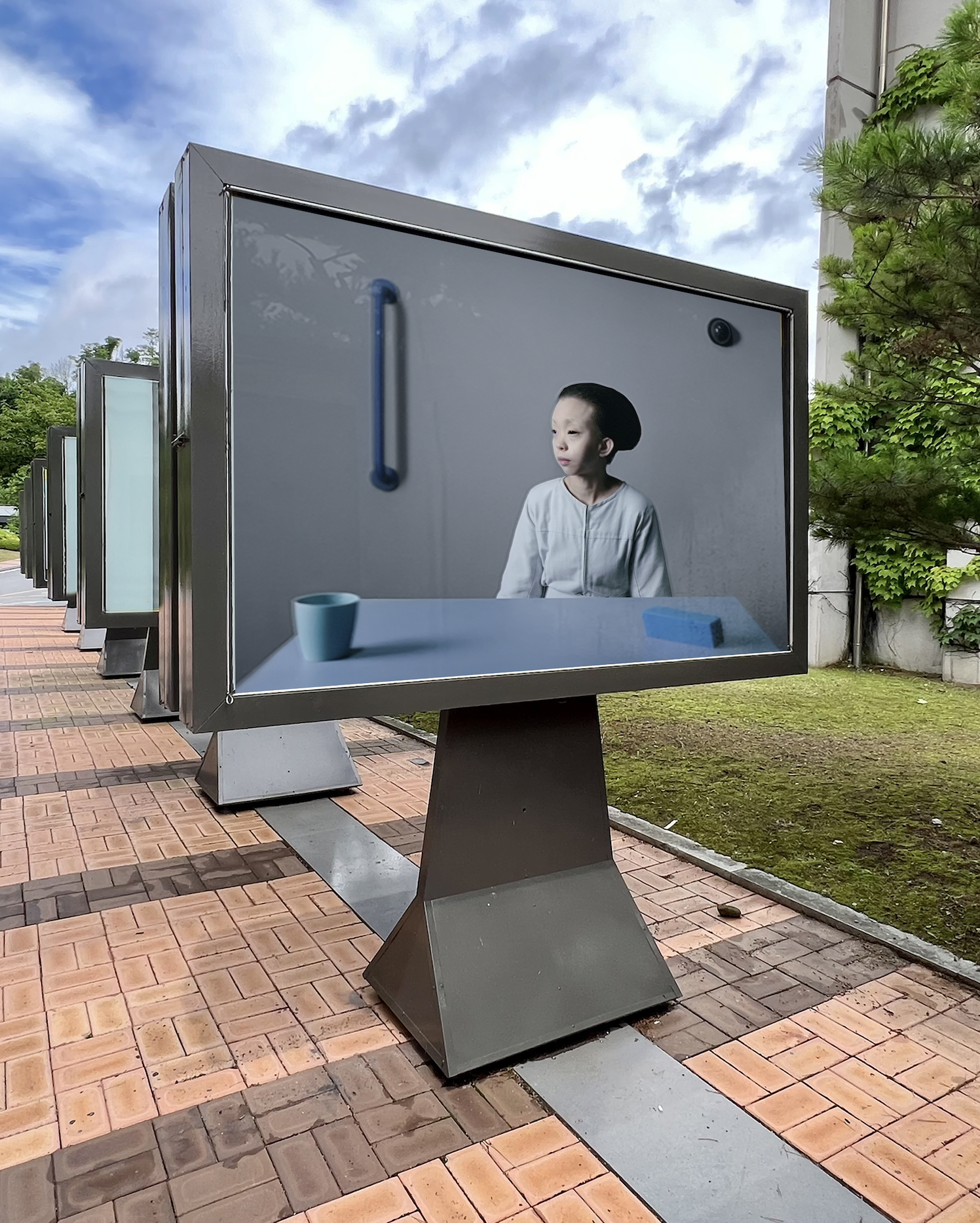
DongGang Photography Museum, South Korea
‘Aesthetic objectification’ refers to the process by which humans view and interpret certain subjects through the lens of beauty. This process can apply to everything from natural scenery to everyday items, and it is shaped by each individual’s unique viewpoint. During the objectification process, people project their emotions and interpretations onto the subject, thereby assigning new meaning and value to it. Through the act of seeing anew, we also recognize the discrepancies between what we see and what we know.
The world we inhabit is far from flat or simple. It is a multidimensional space where countless narratives intertwine. Thus, the relationship between seeing and knowing cannot be defined by a single point of view —it is fluid and constantly evolving. It is a state in which elements can be added or removed; in which what doesn’t belong can be carved away. During the process of such entanglement and deconstruction, new forms emerge—fresh, unexpected, and alive. This process ignites our imagination and invites new visions. It enables richer, more diverse experiences beyond the ordinary, expanding the boundaries of thought at the threshold between reality and ideal. As the realm of thinking itself widens, a platform emerges from which new creative ideas can spring forth.
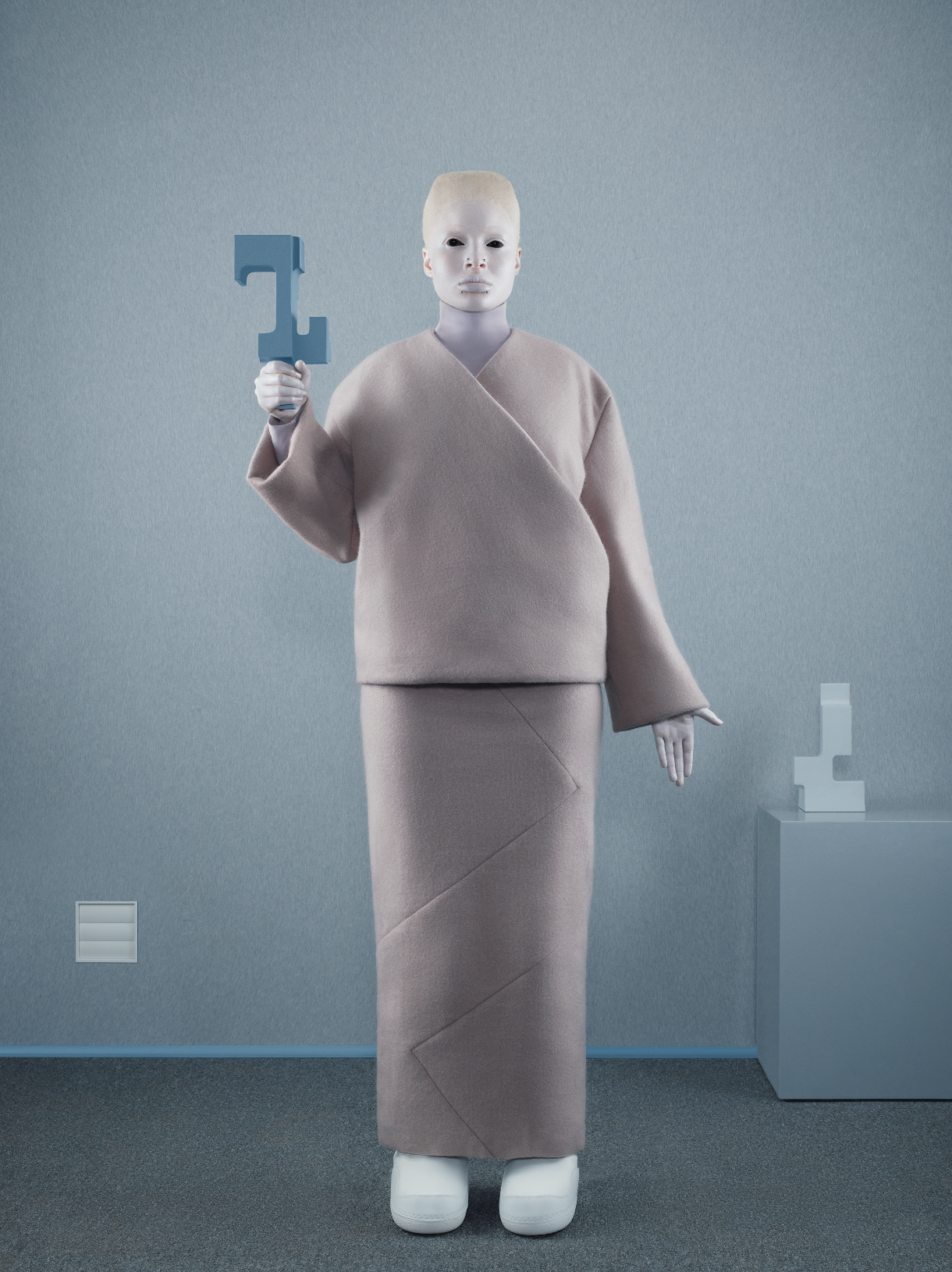
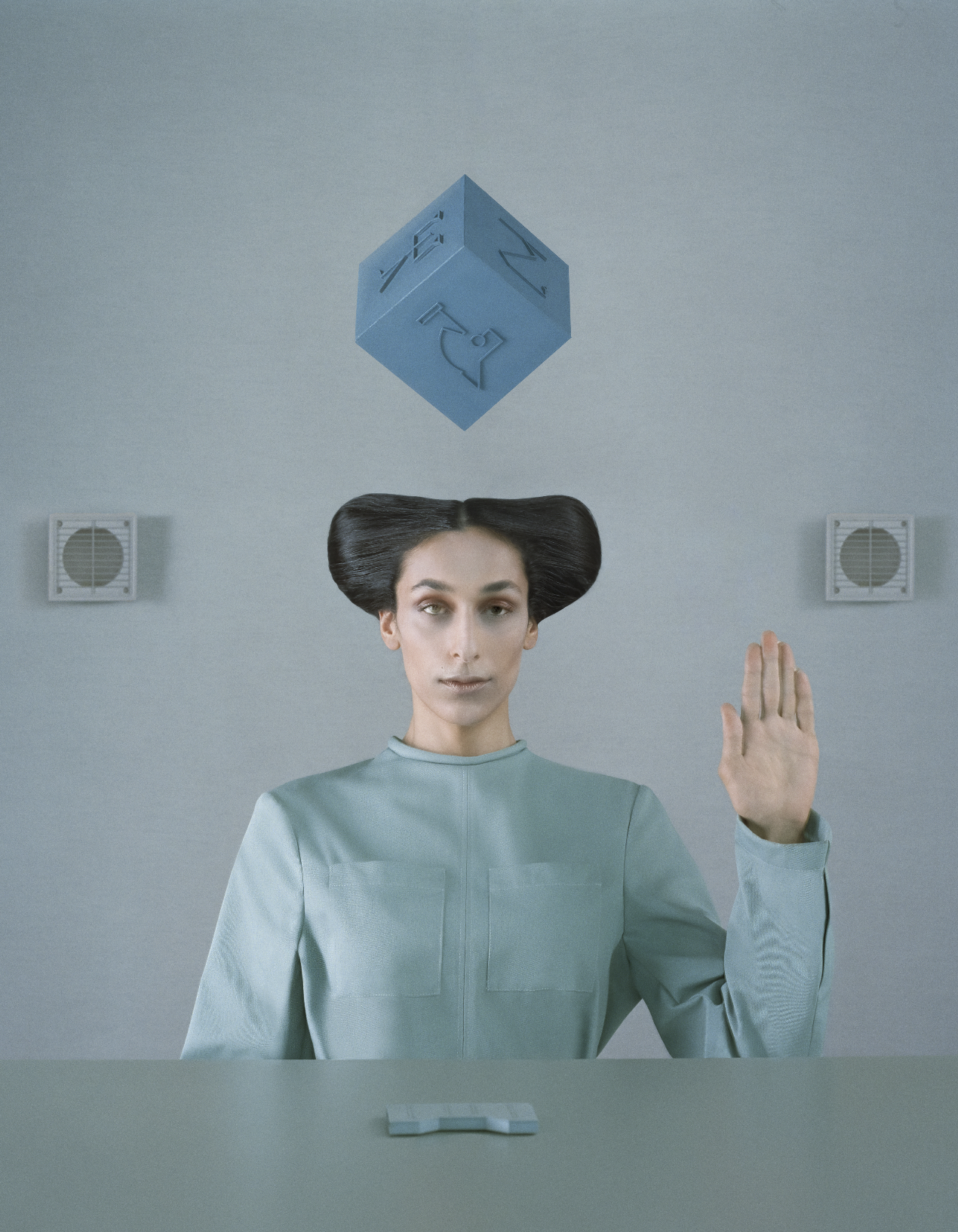
Certainty, Solo Contemporary, Madrid
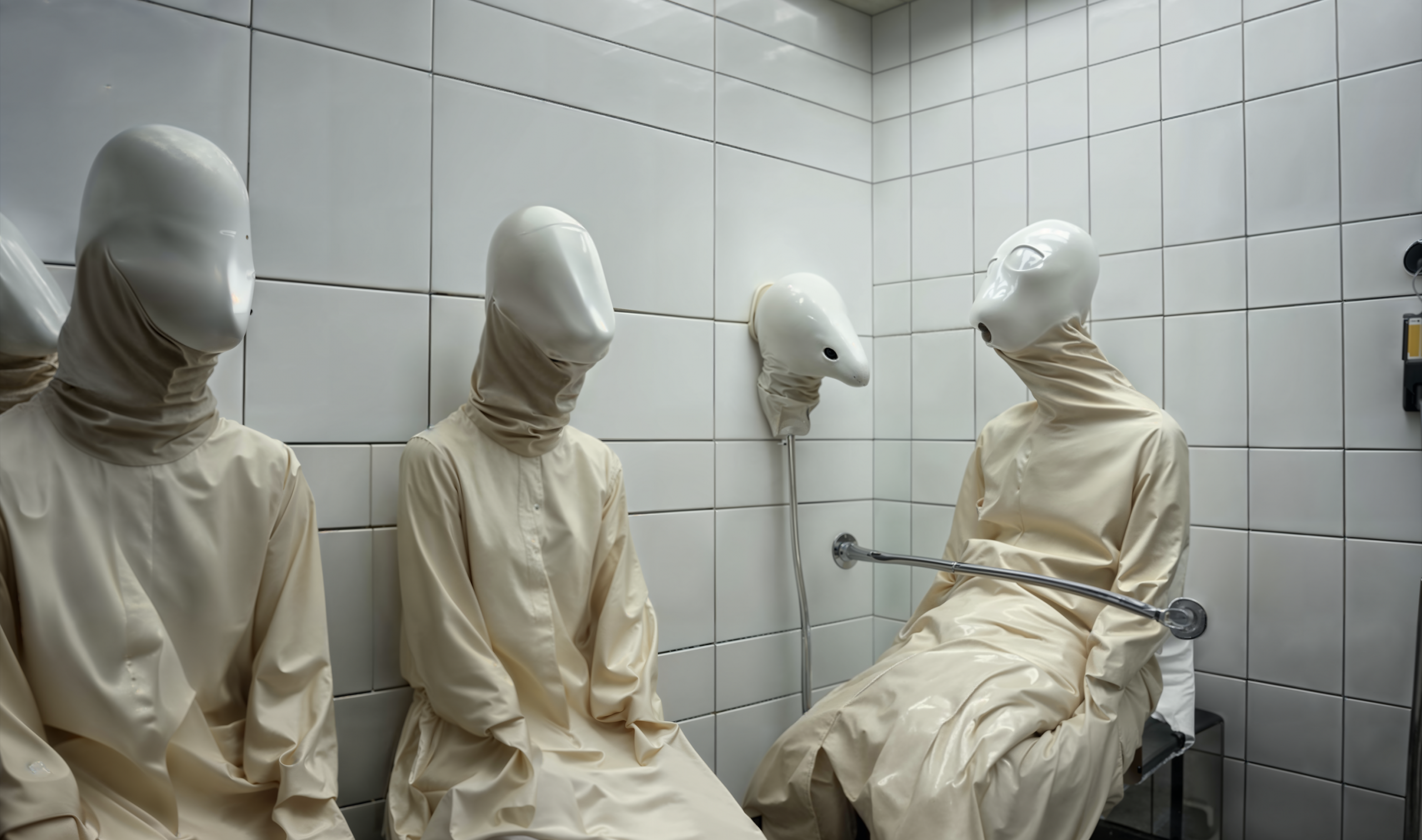
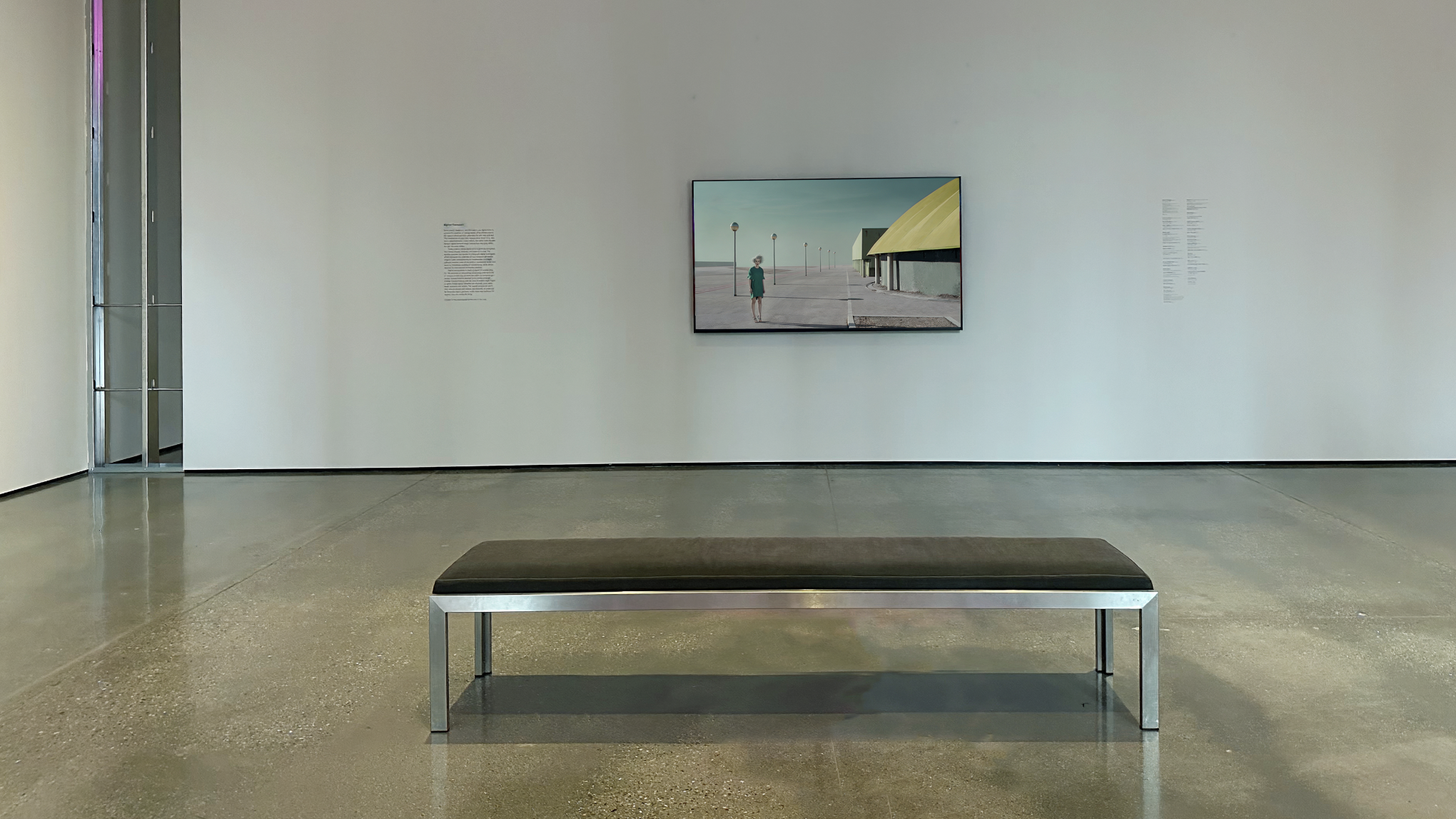
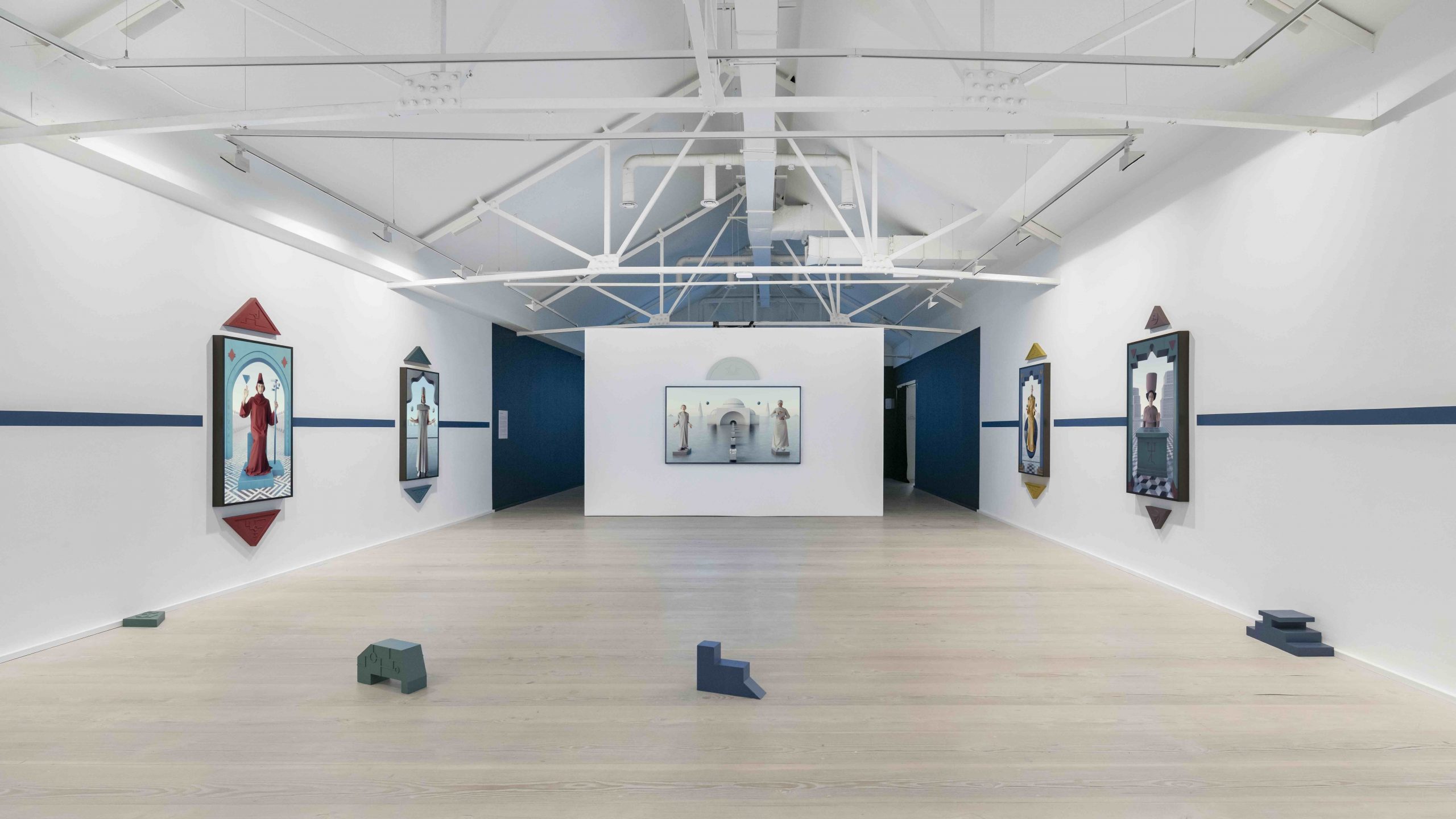
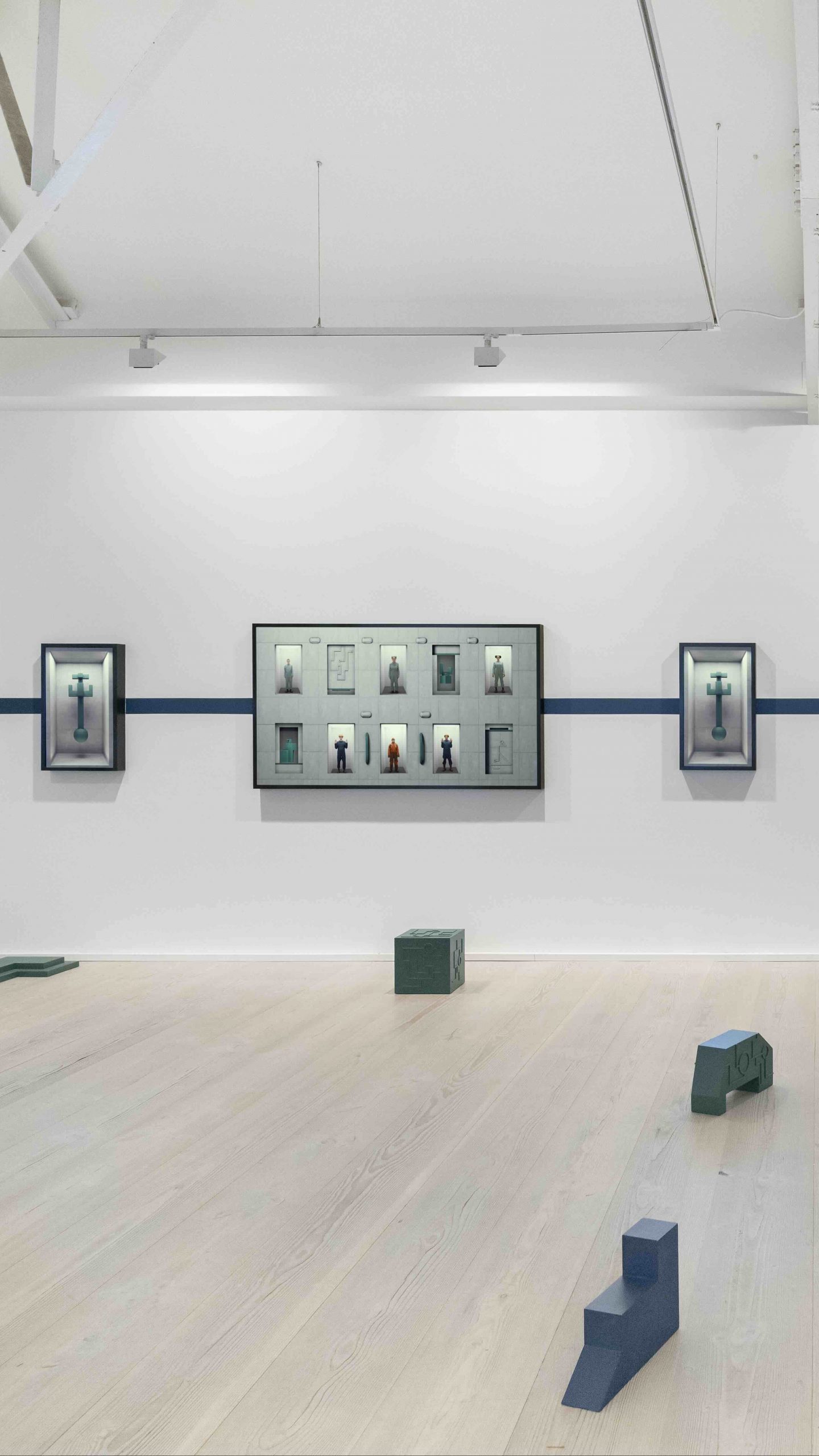
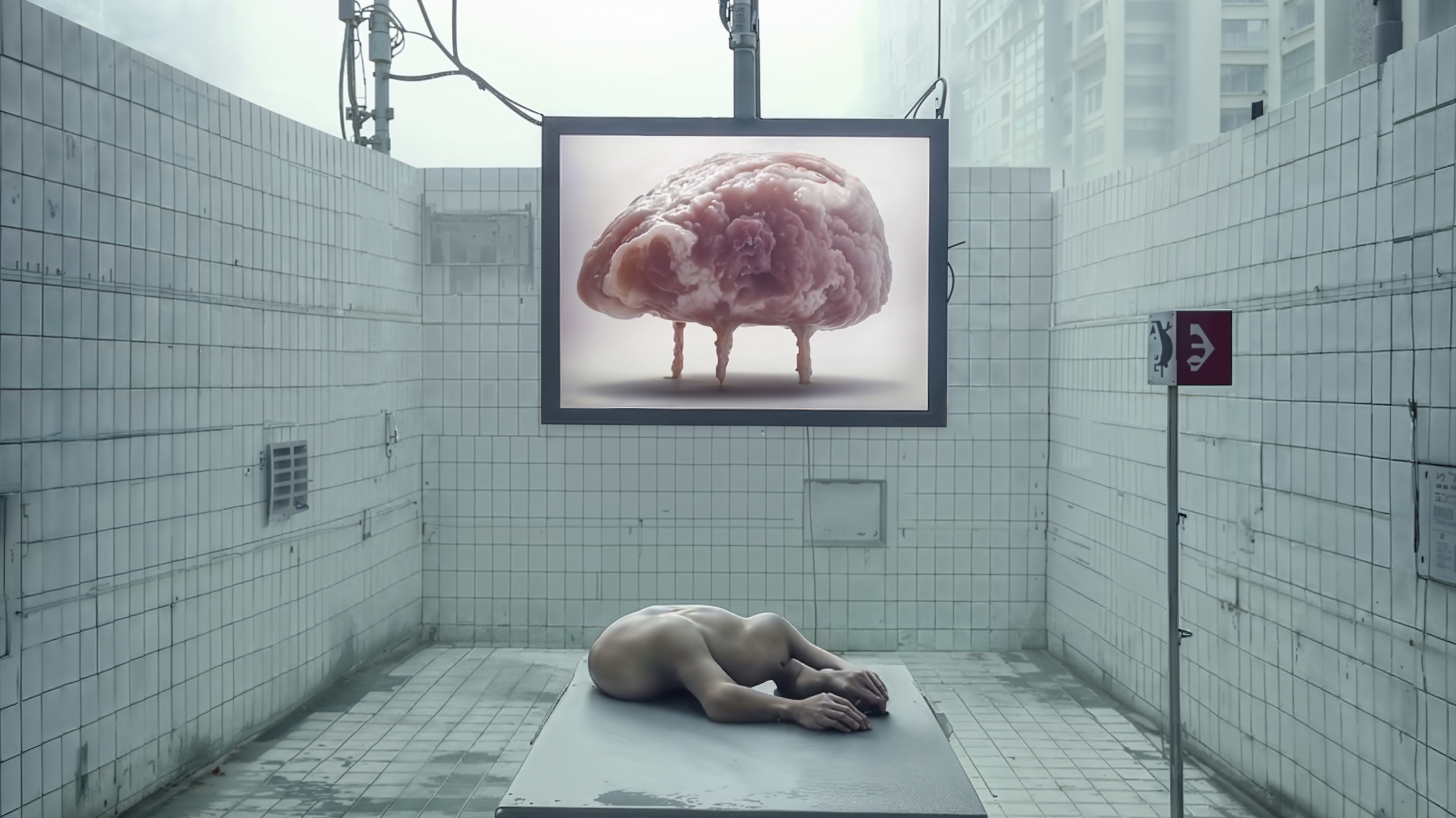
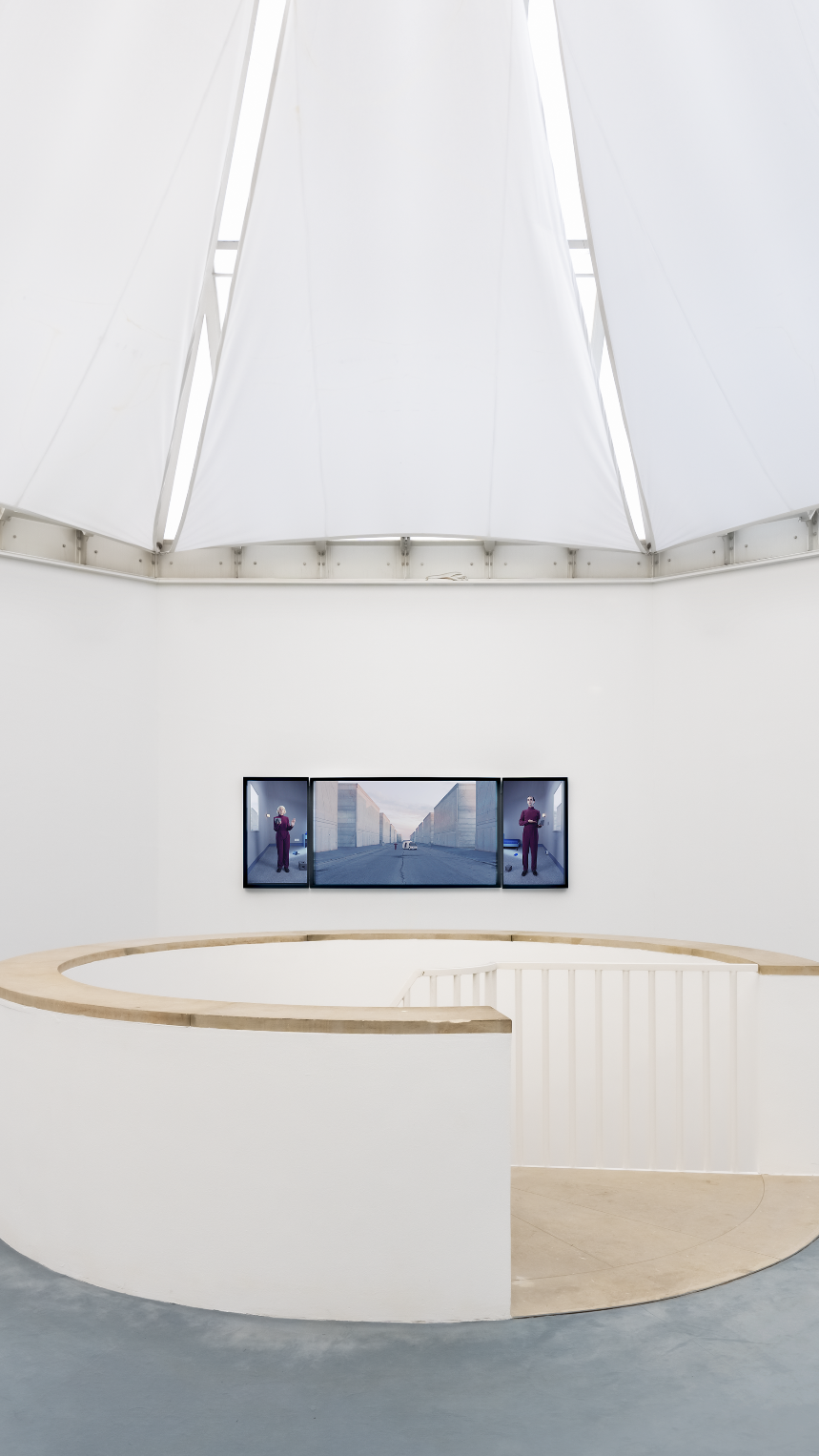
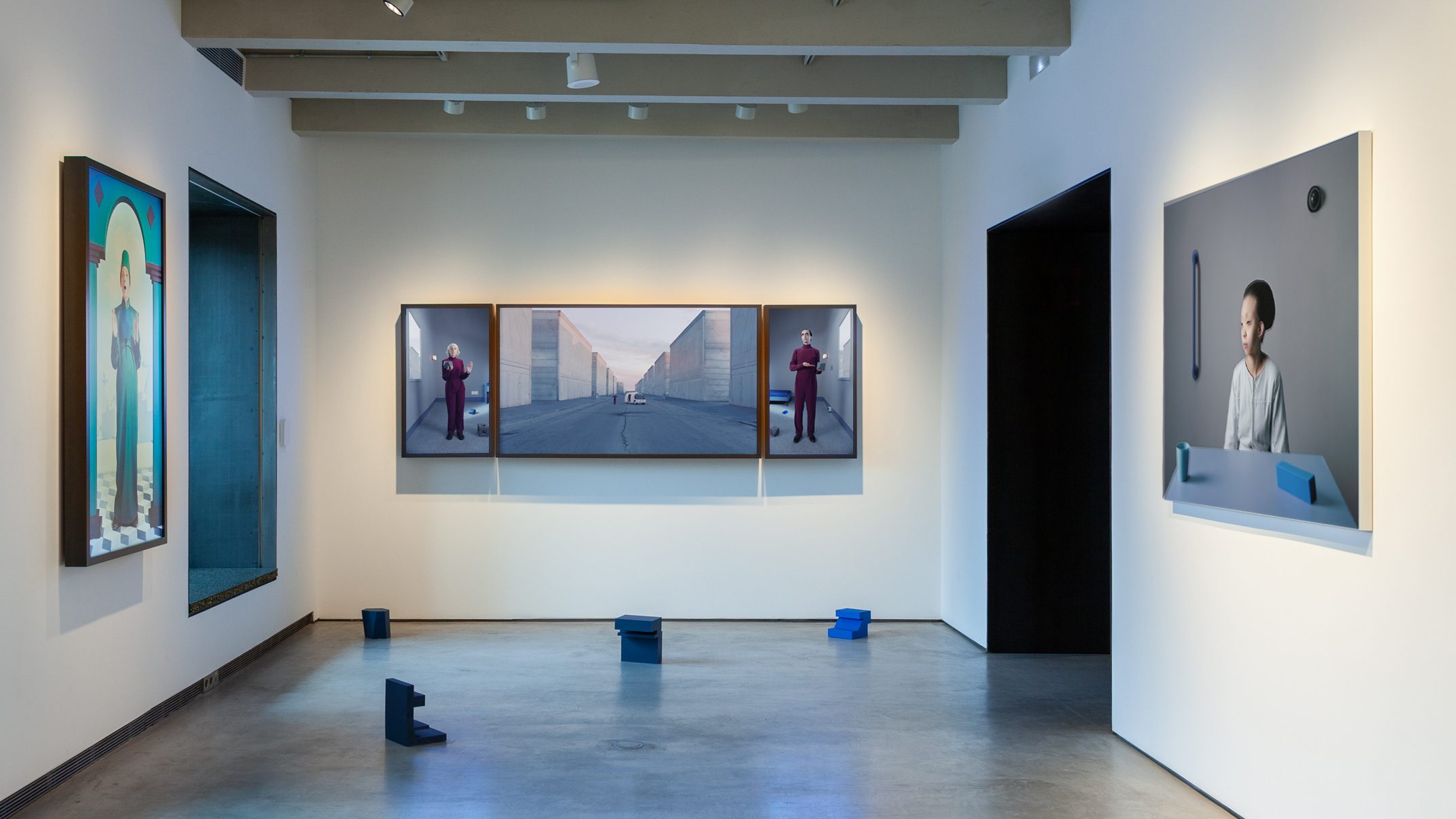
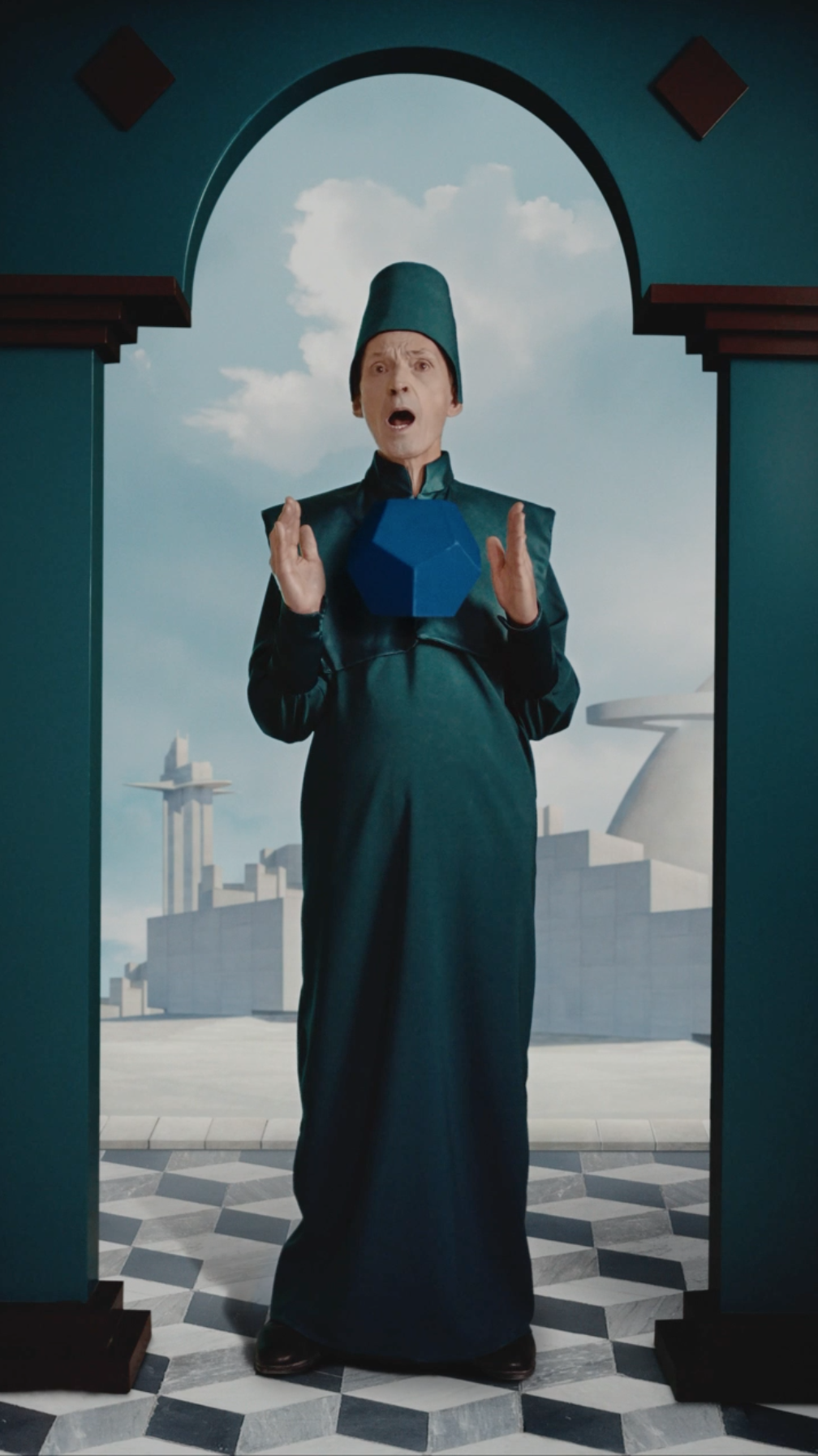
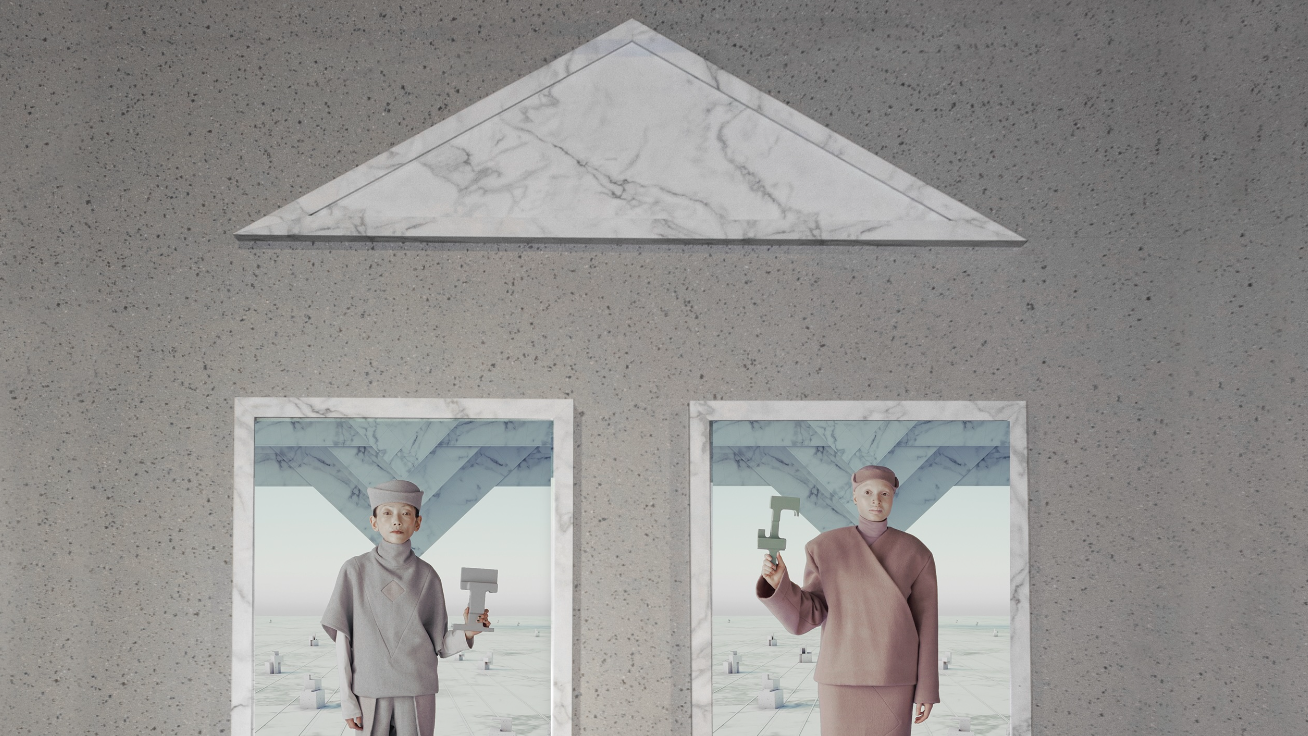
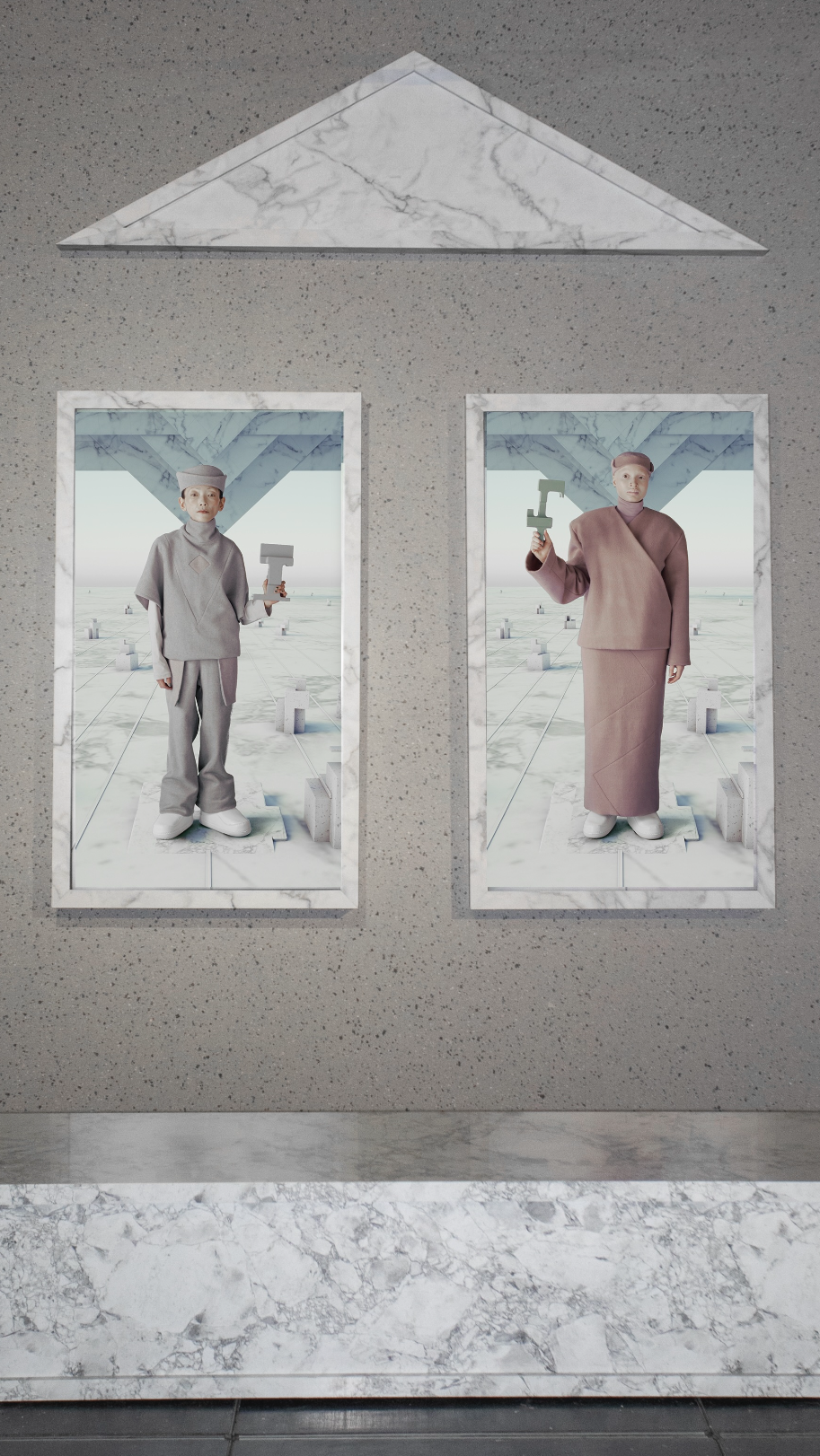
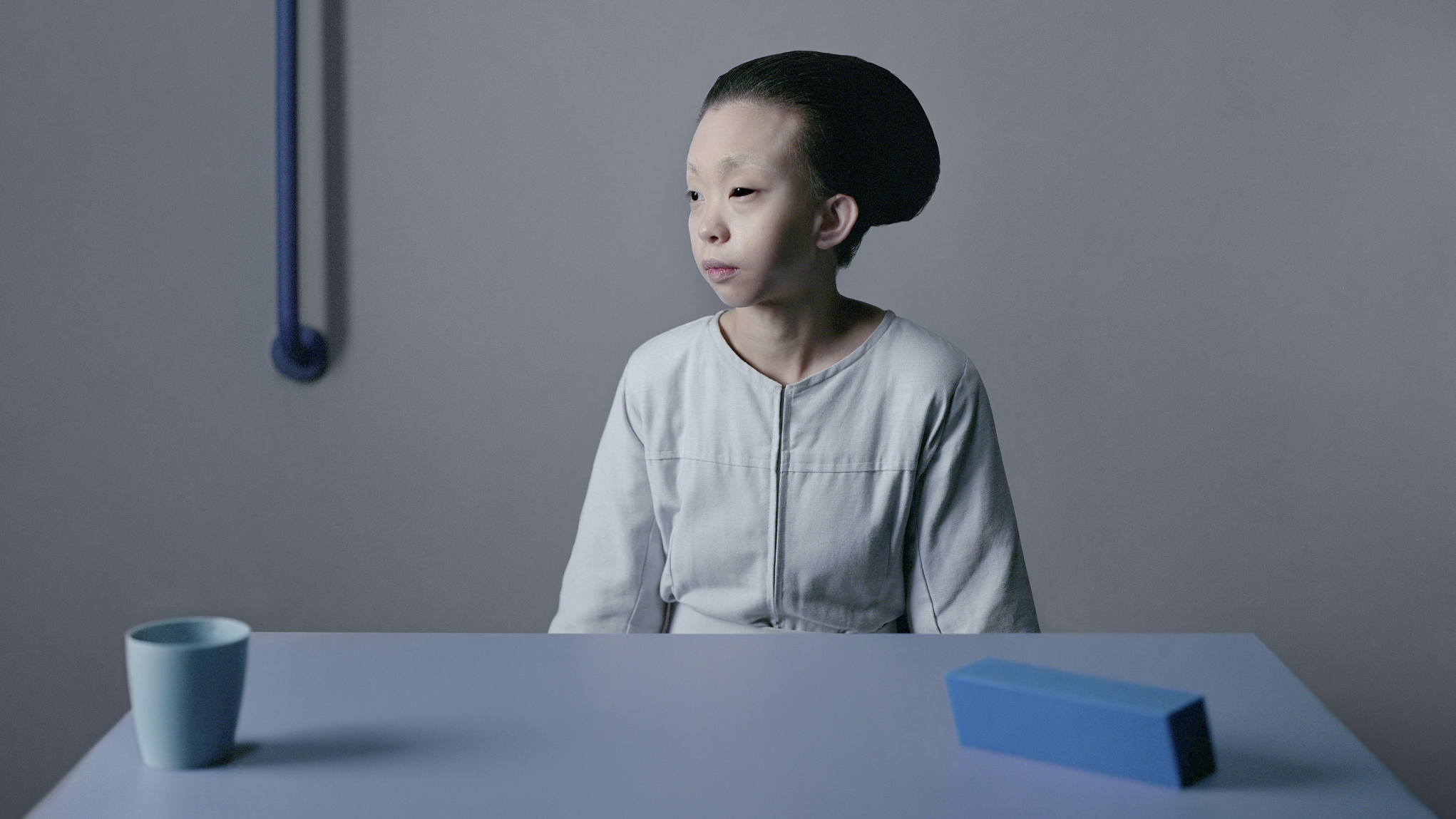
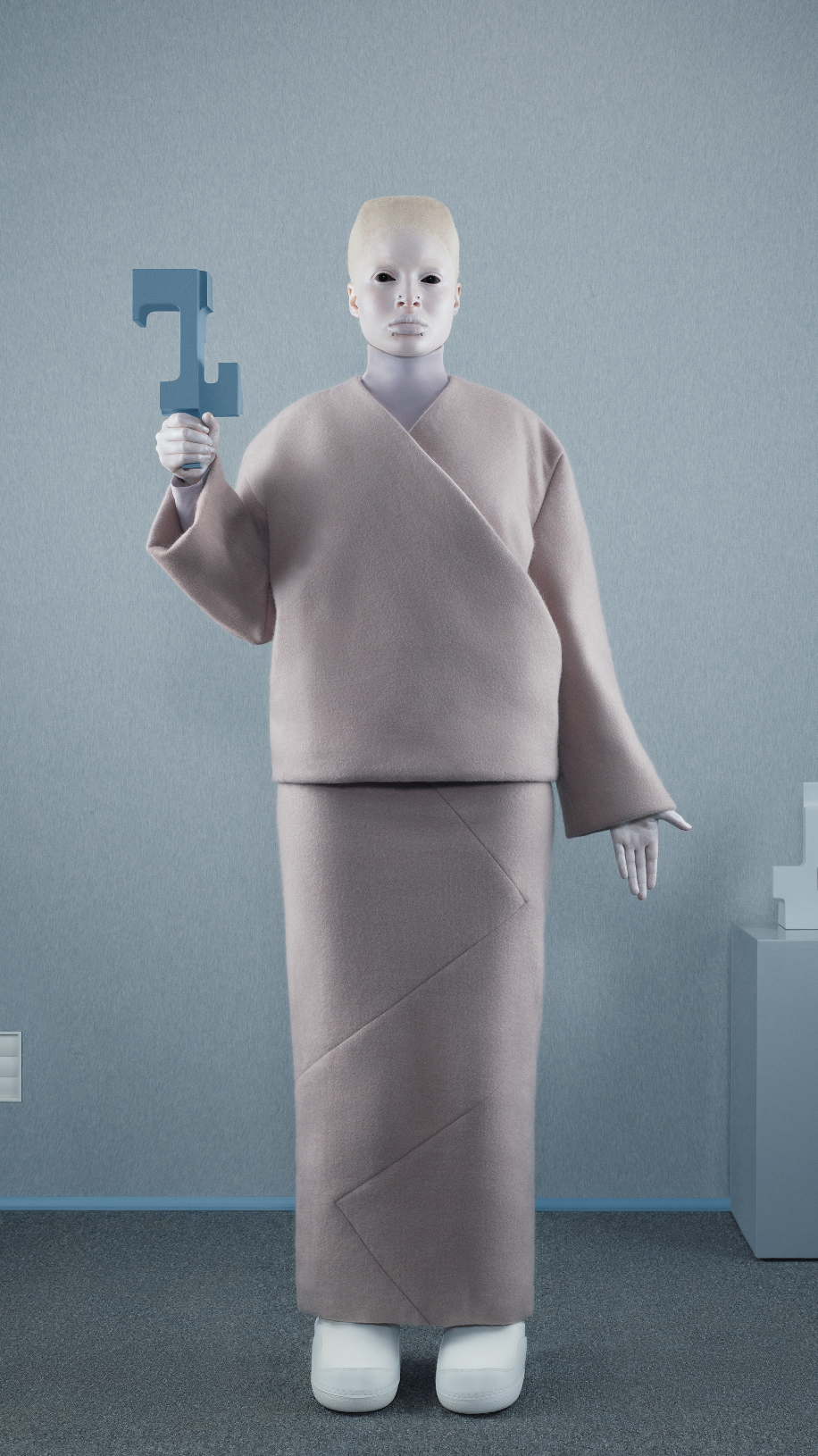
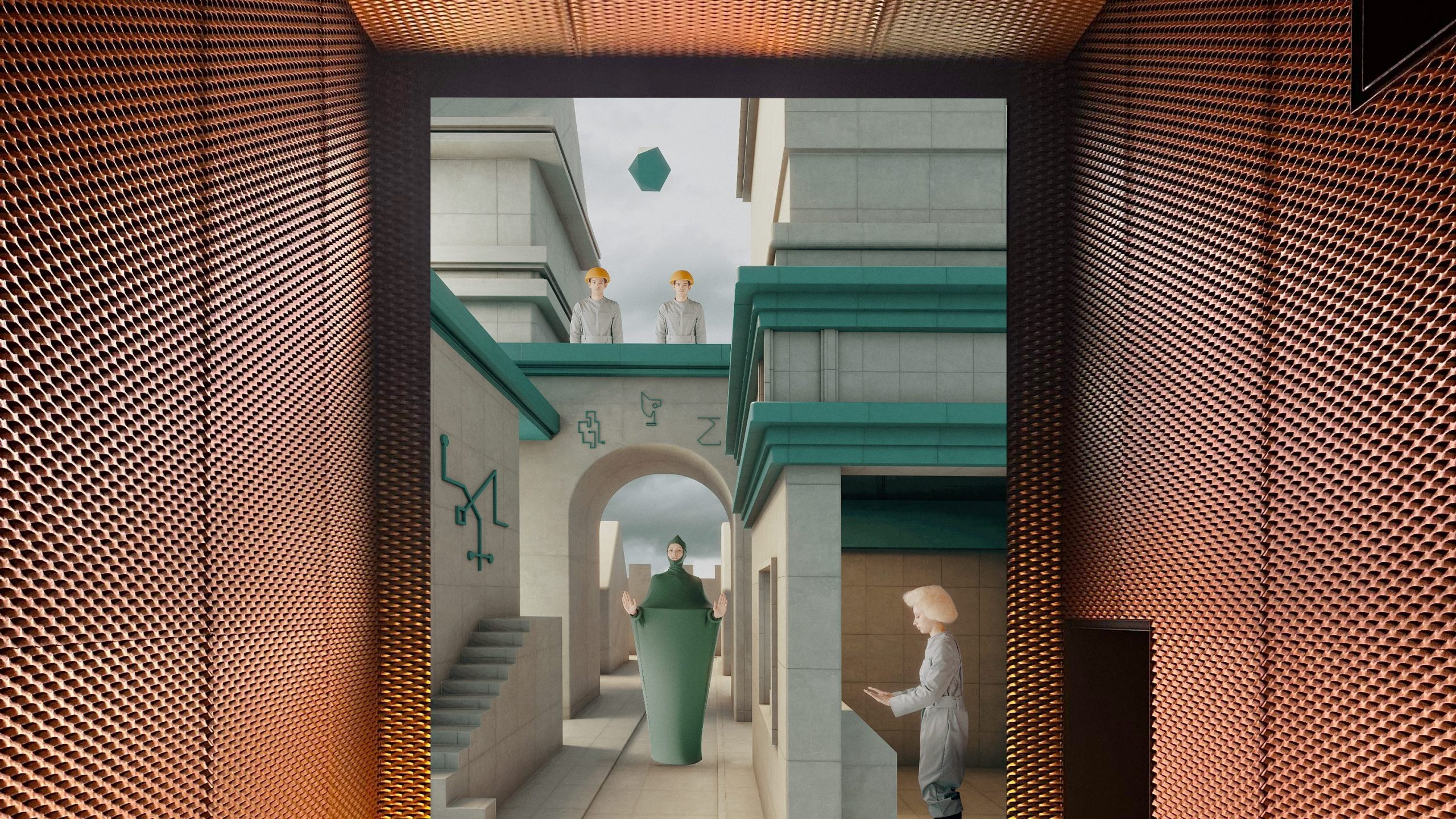
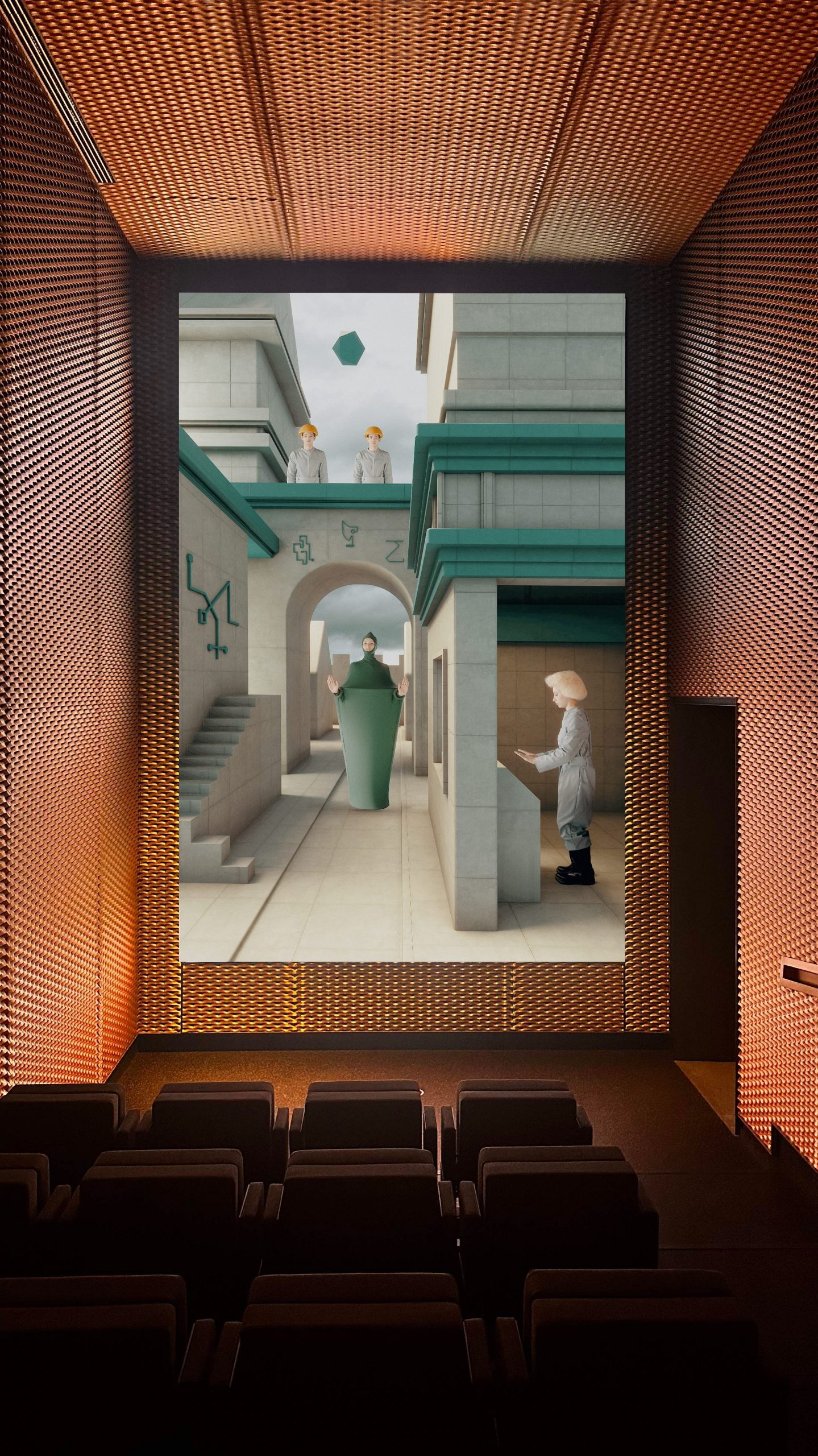
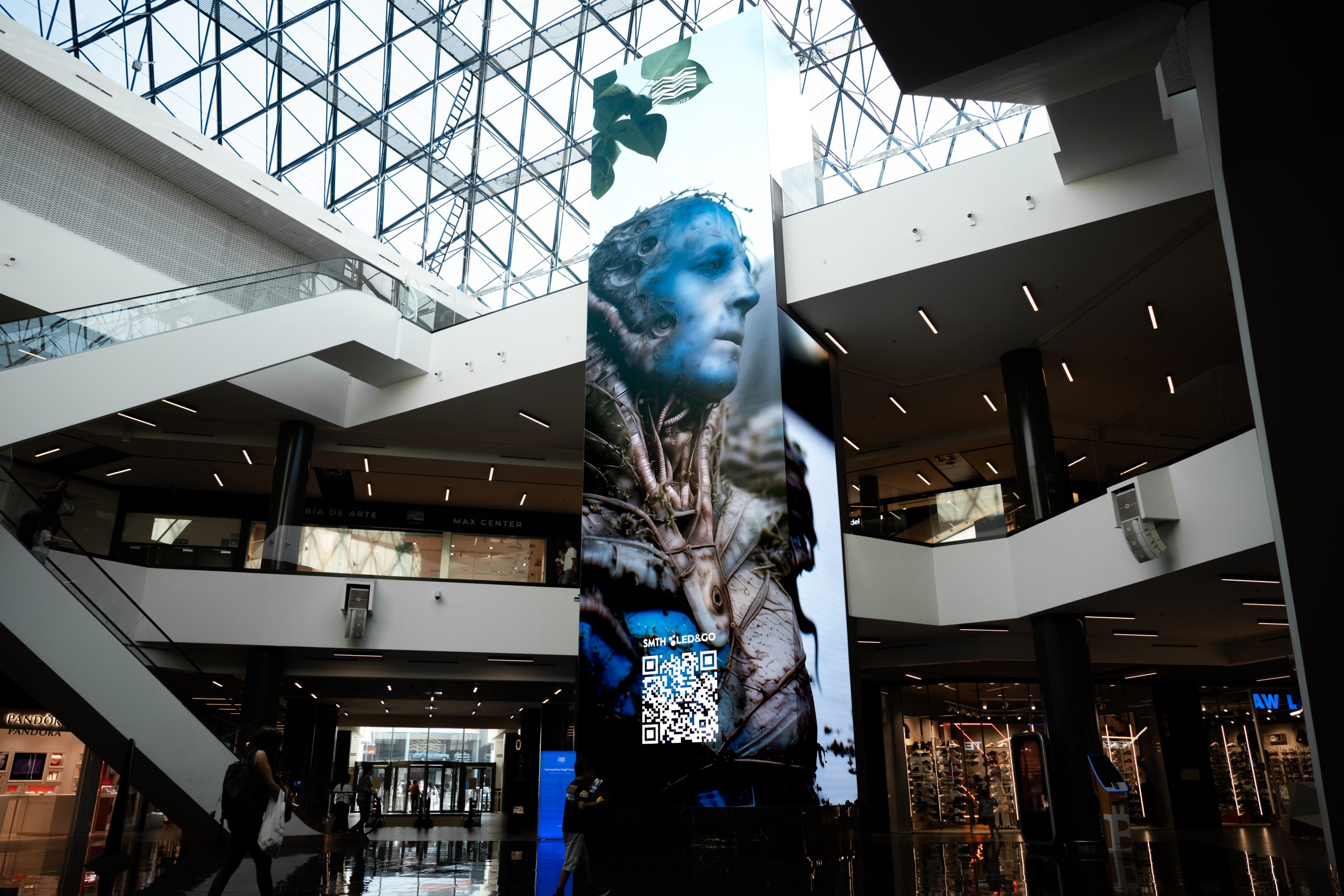
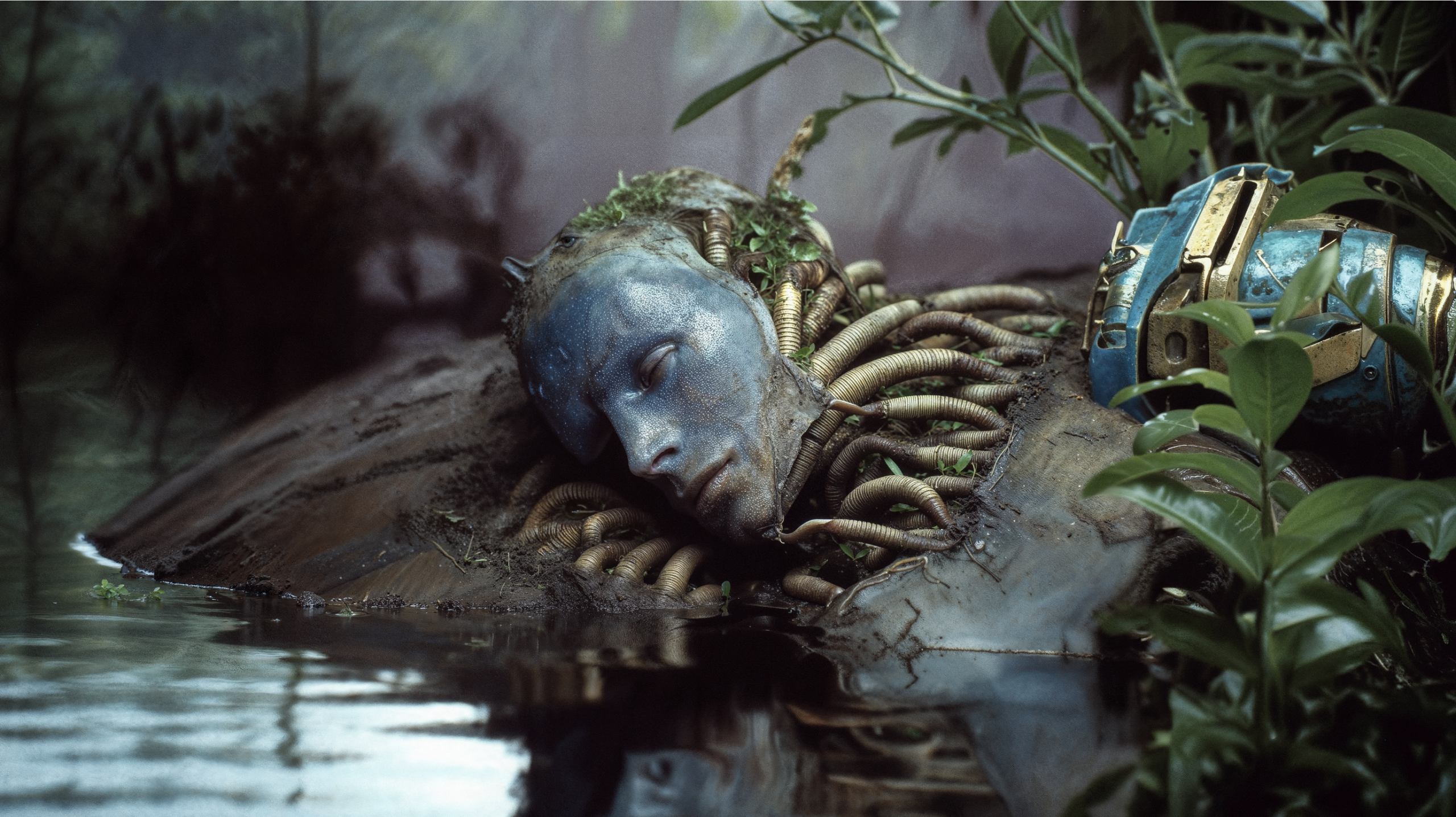
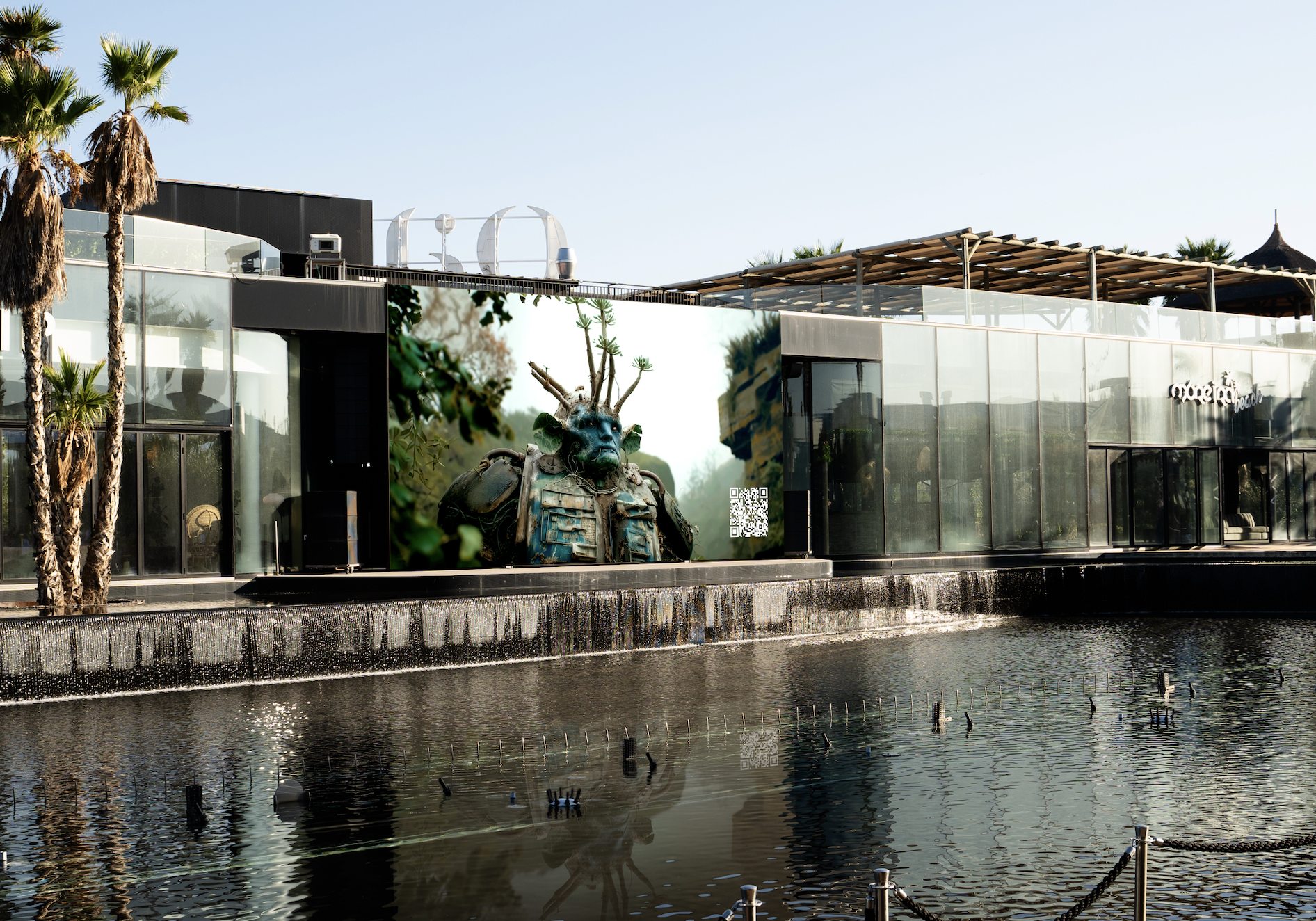
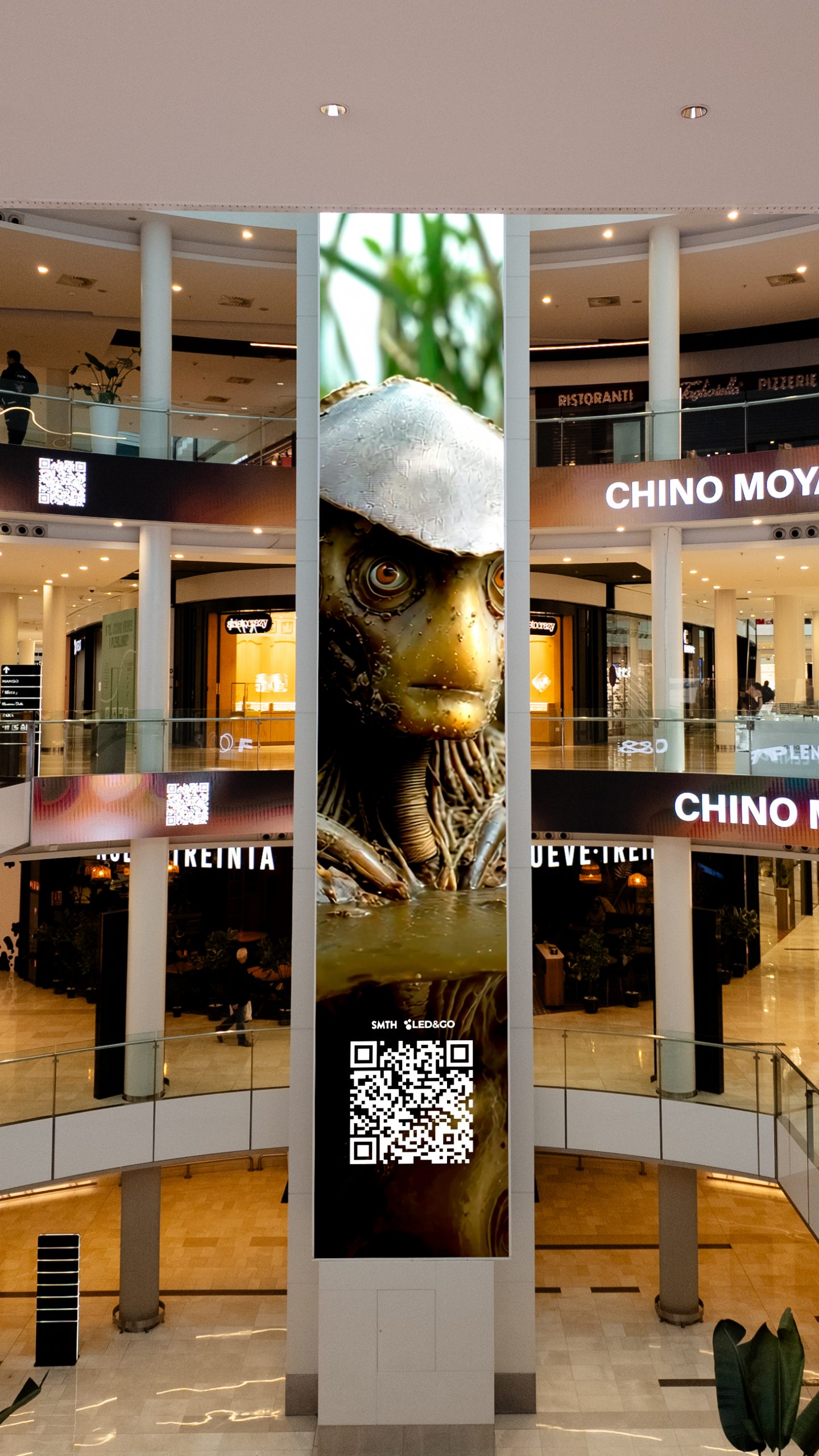
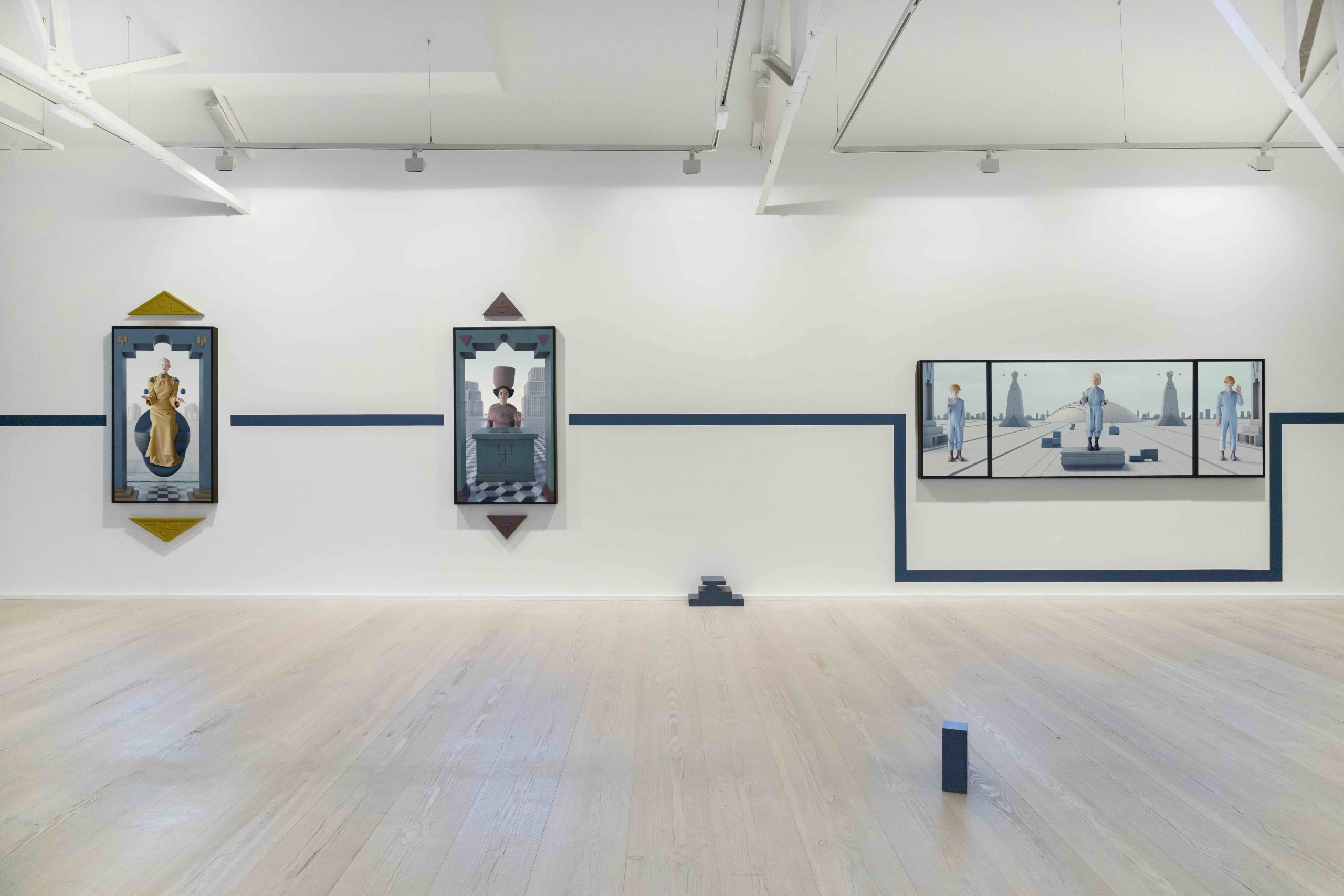
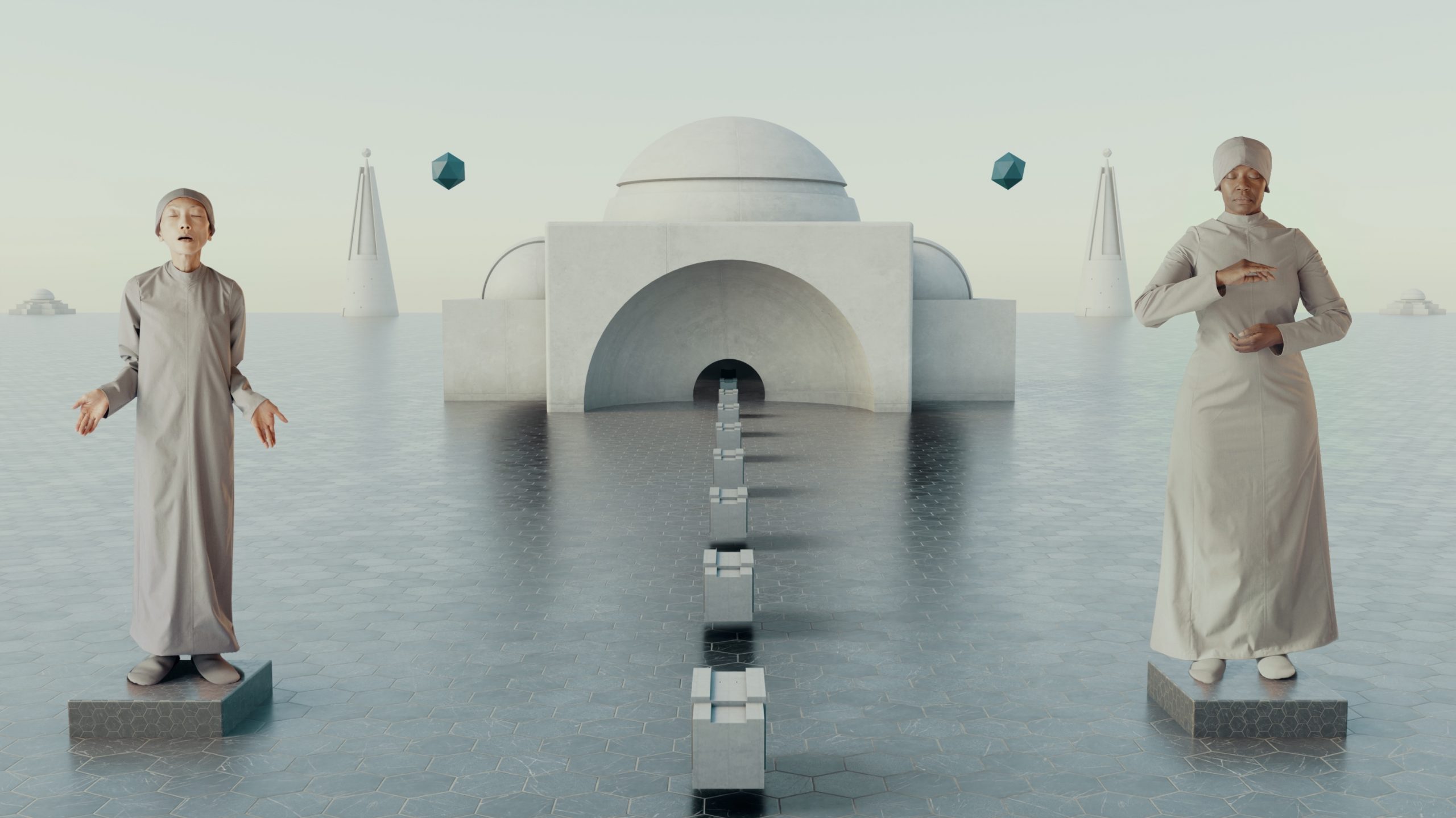
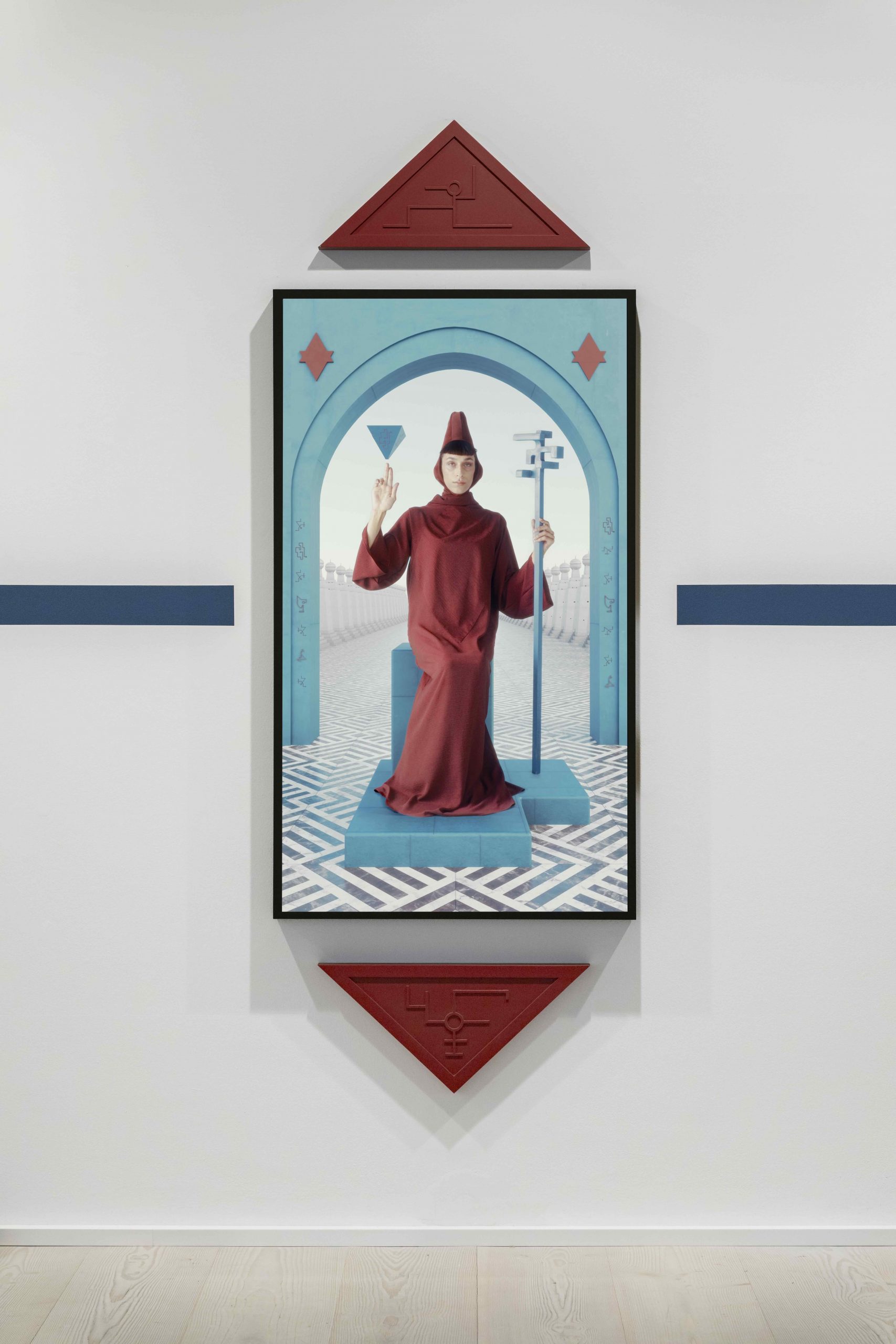
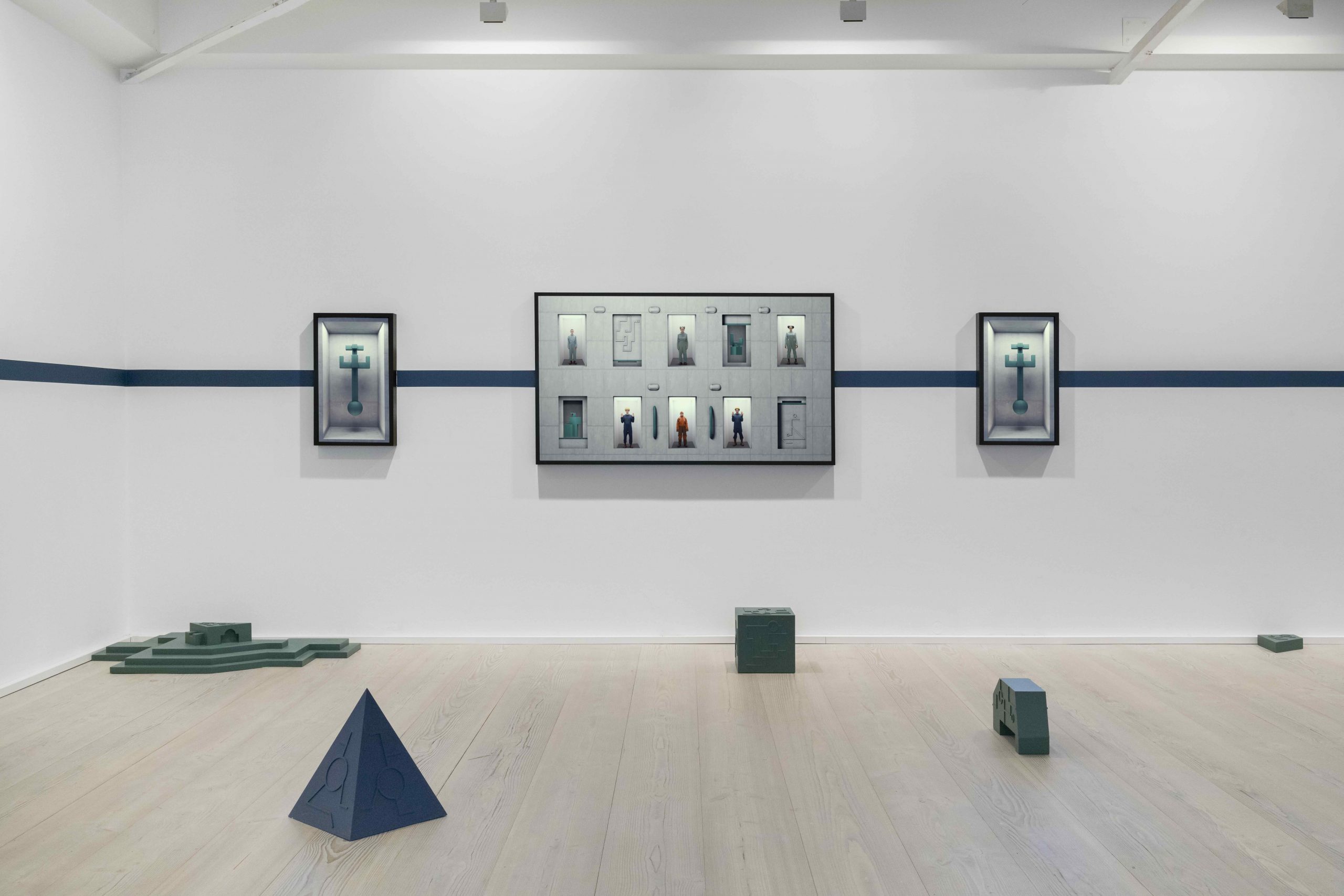
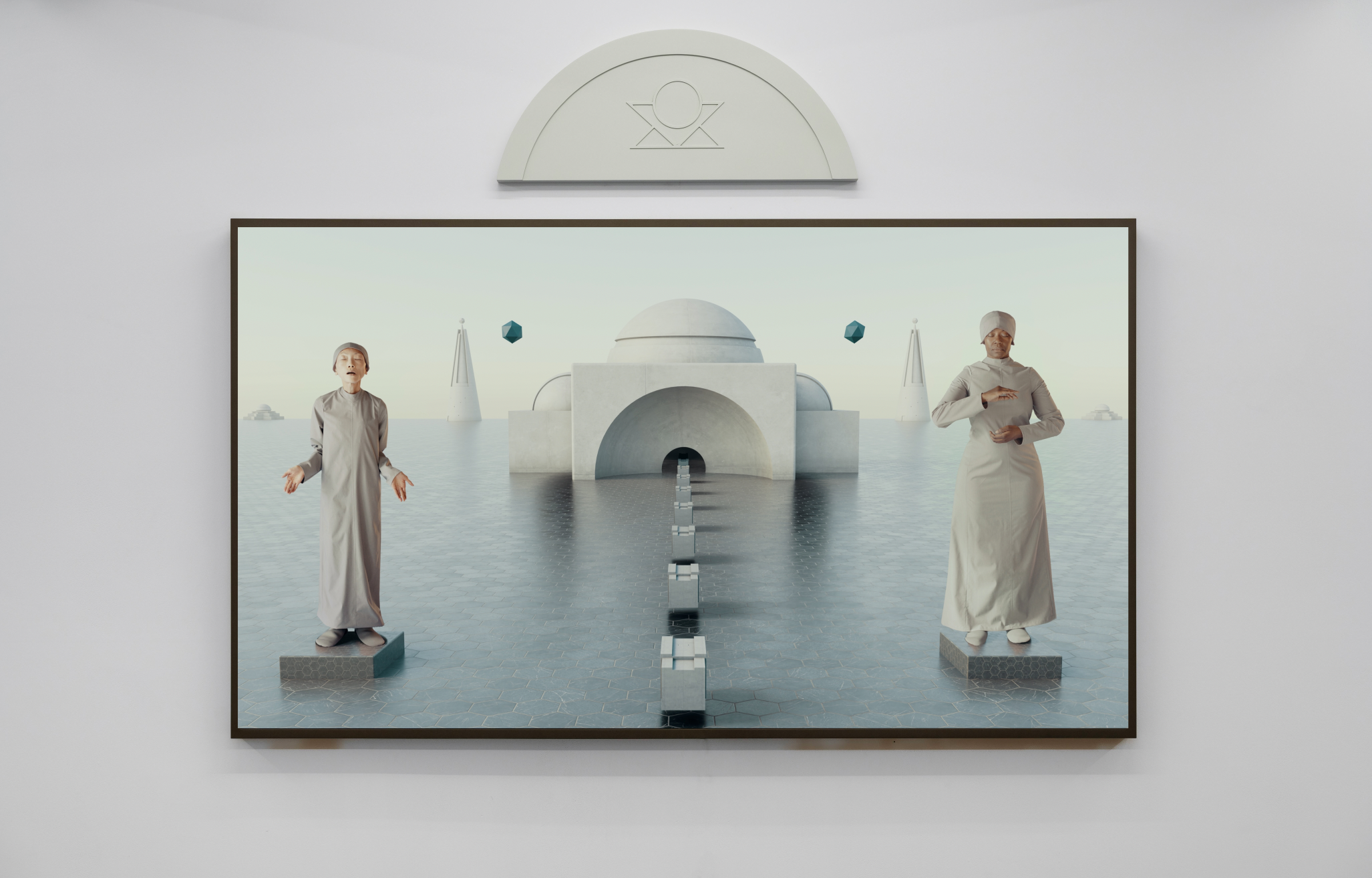
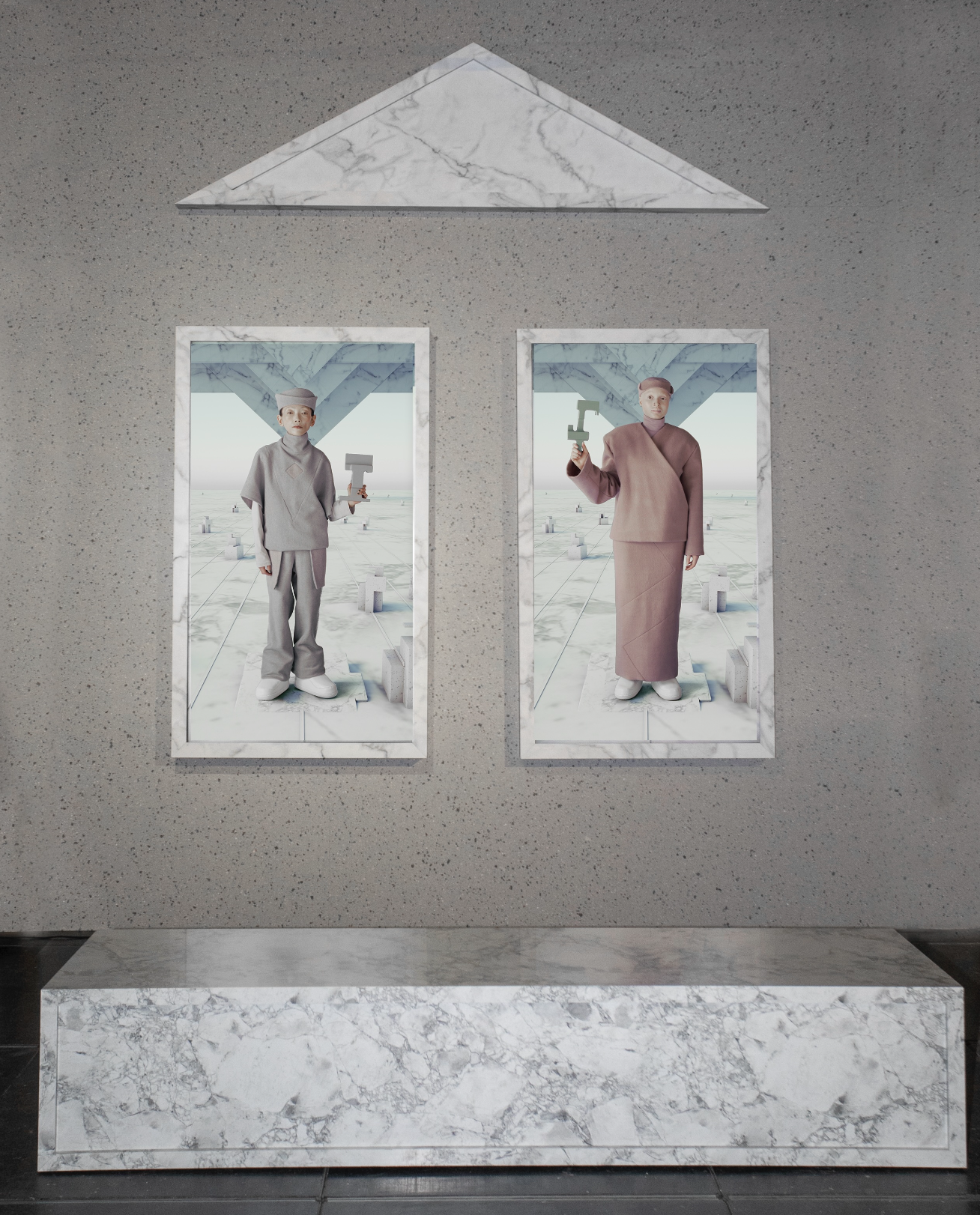
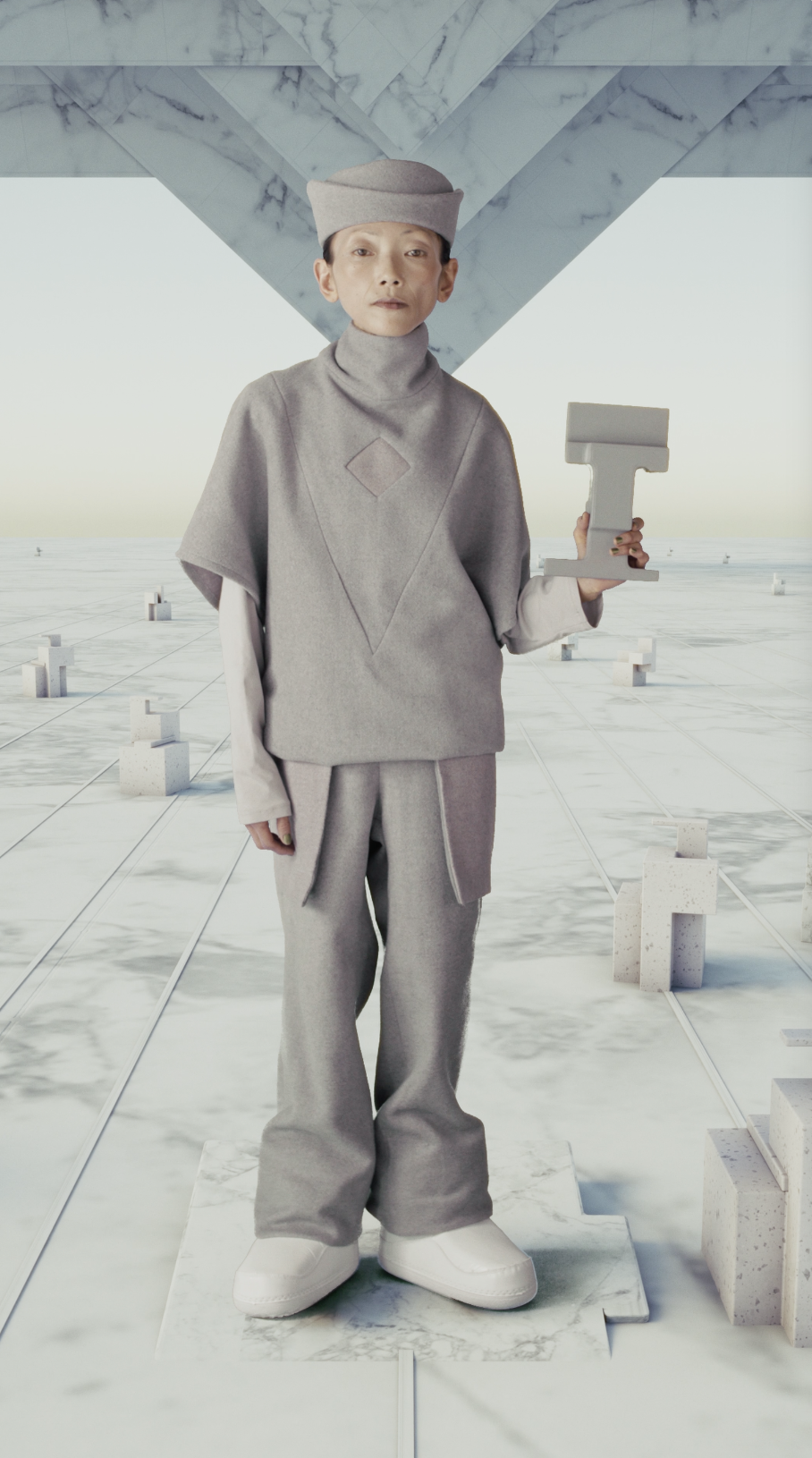
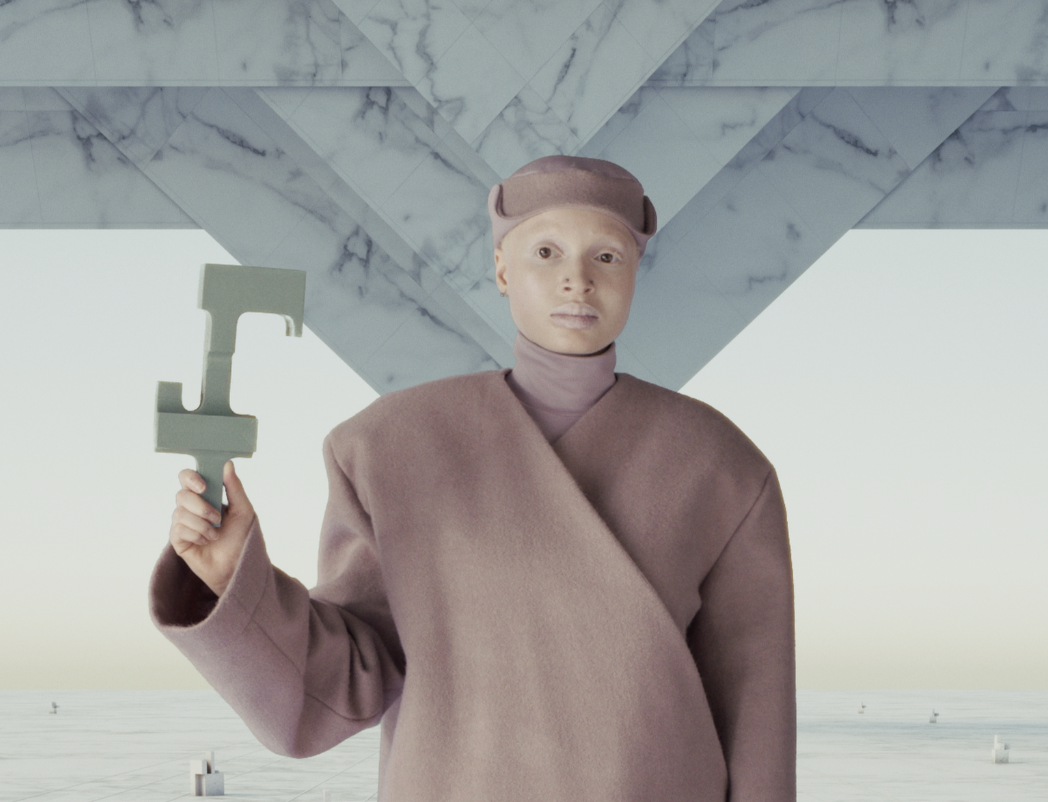
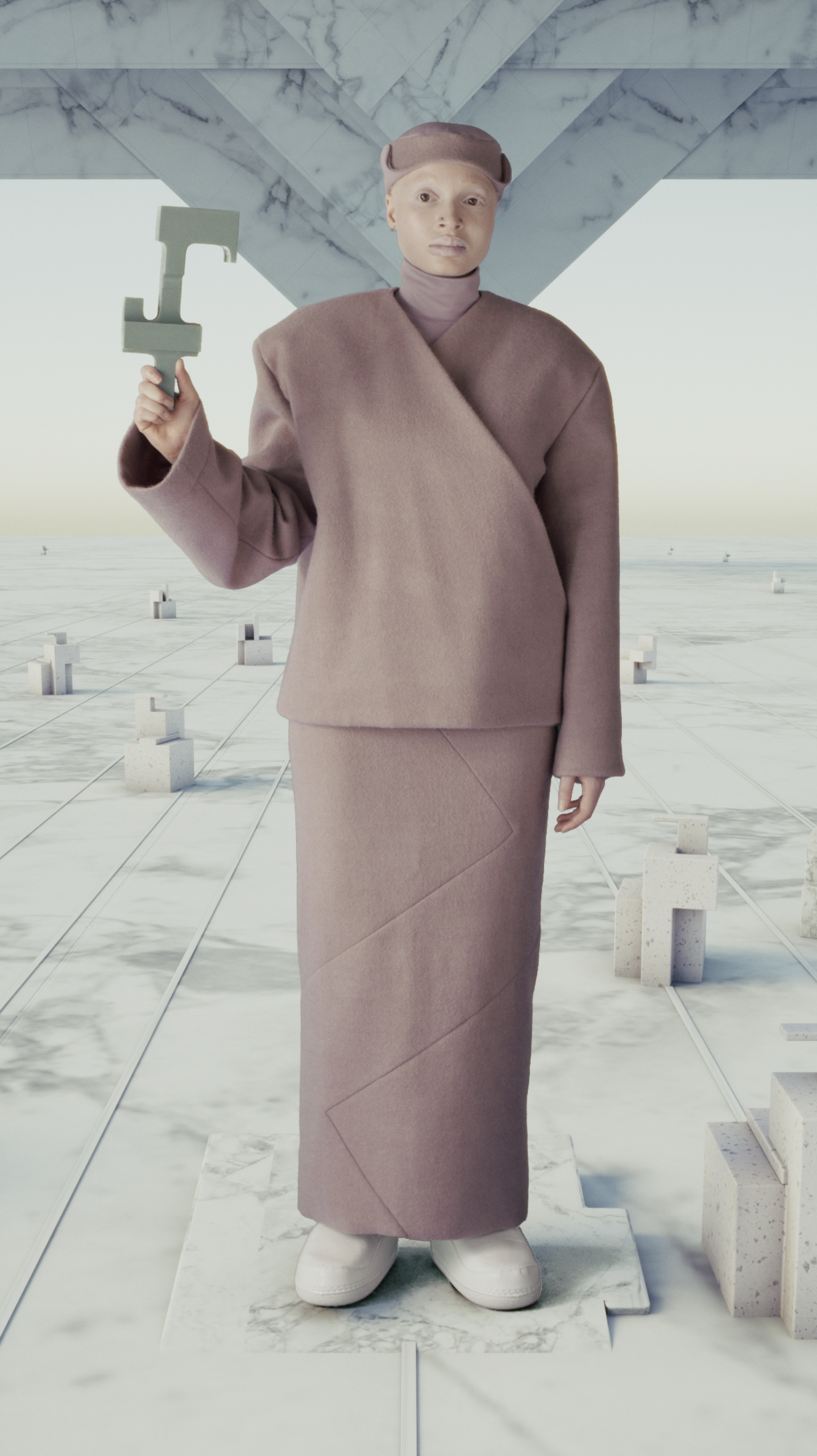
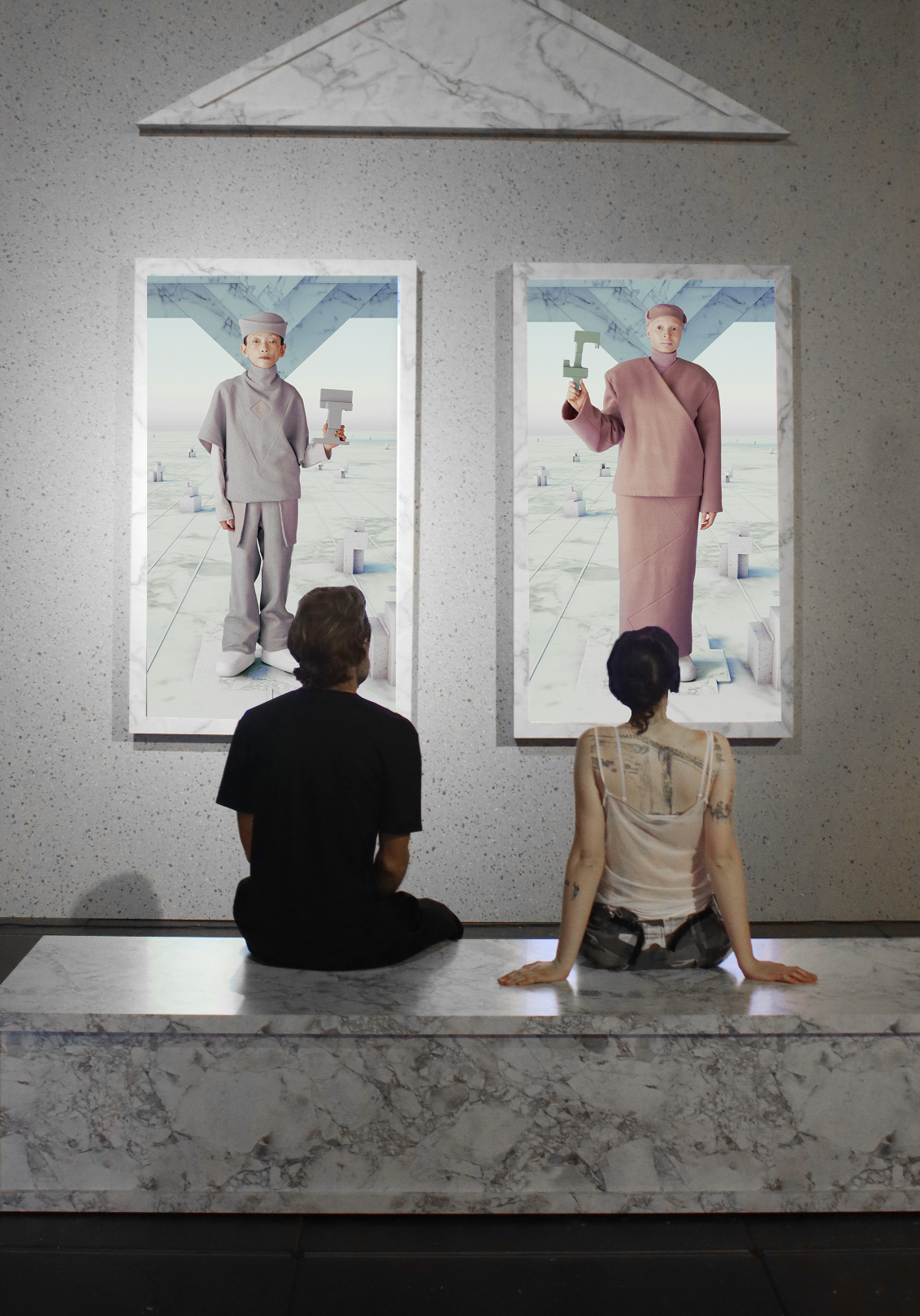
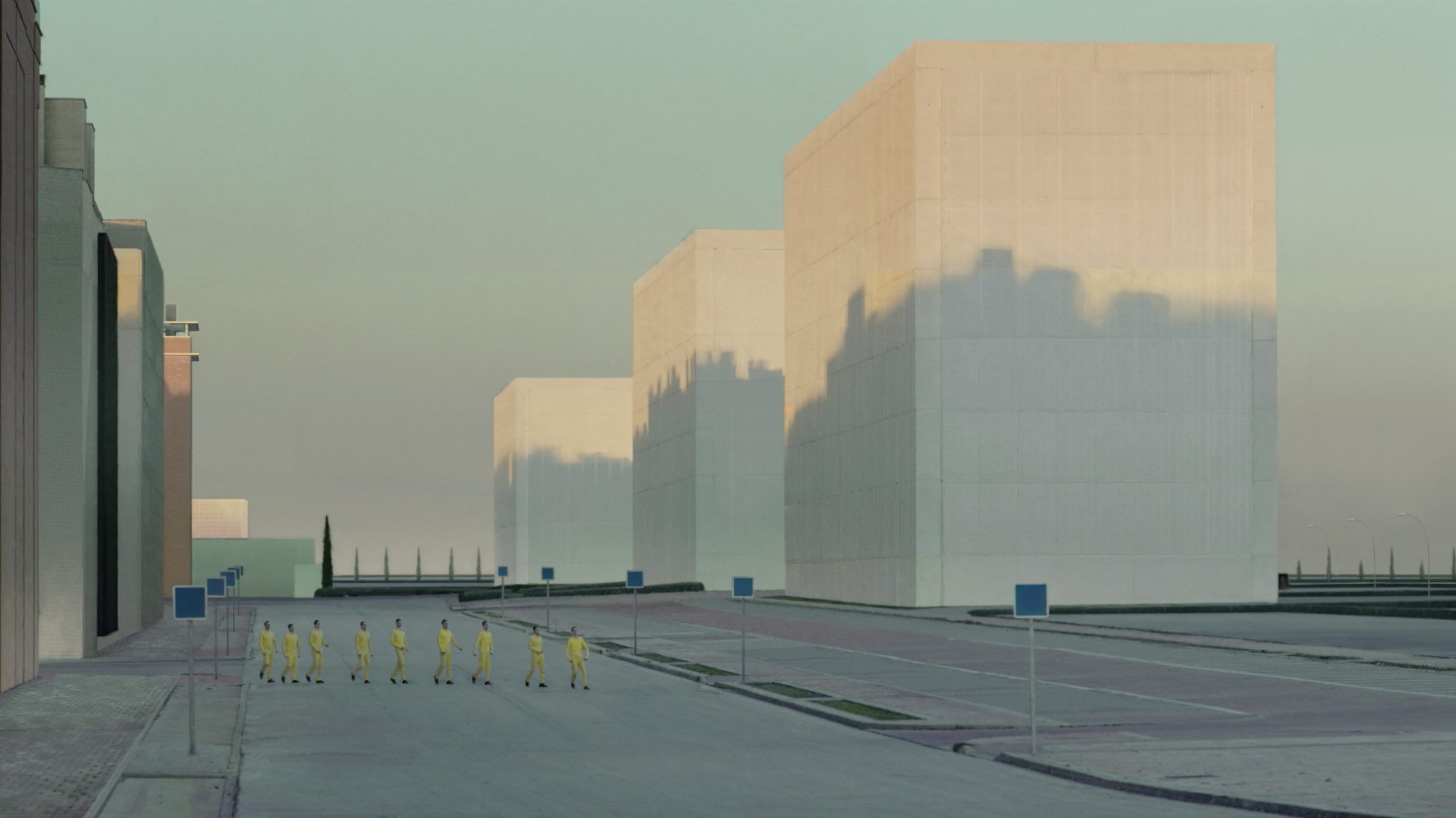
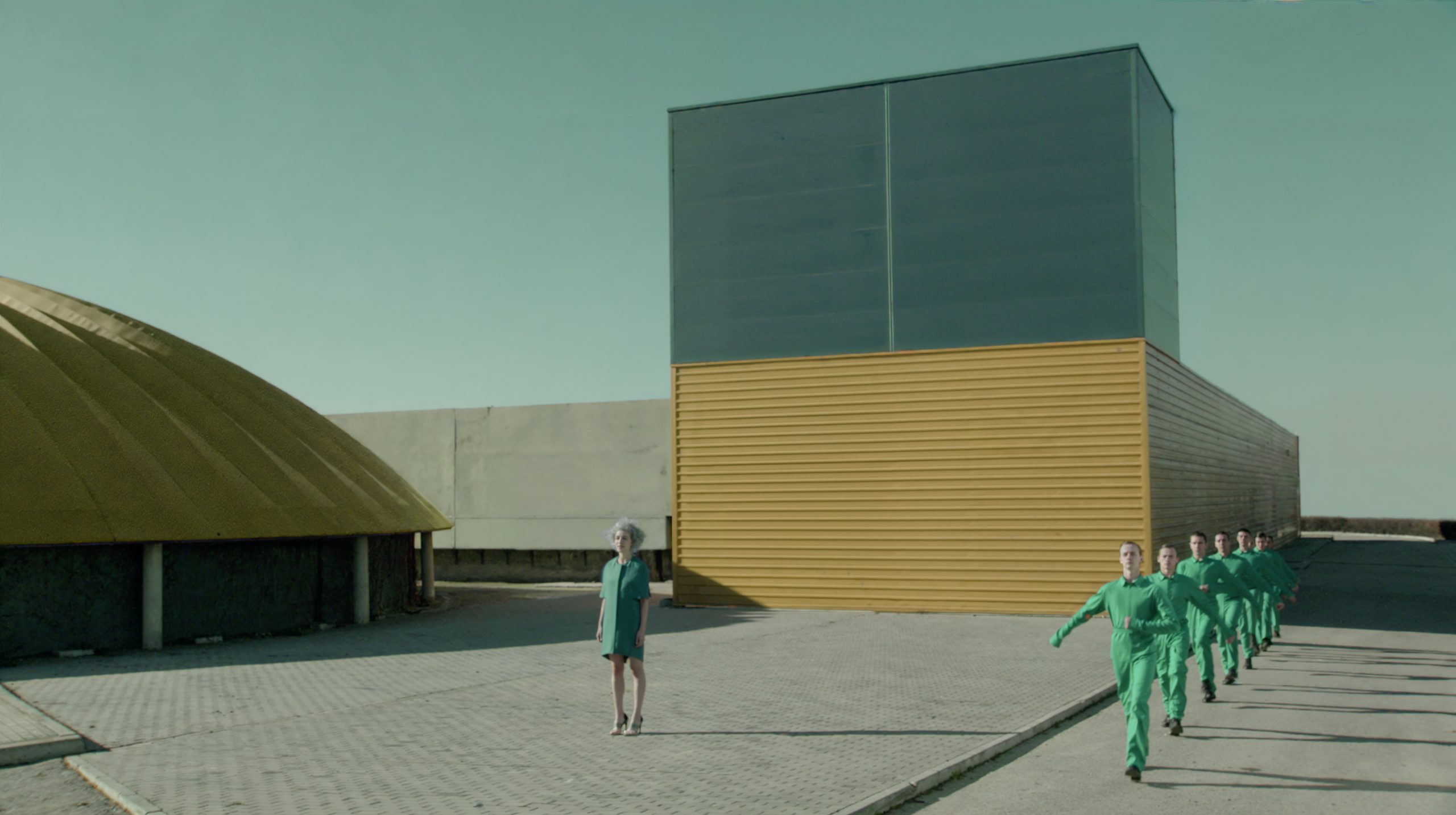
In Deemona, concepts associated to the late capitalism’s supply chain and the automated conveyor belt coexist with the transcendental experience and the higher states of consciousness that most mystic traditions across history longed for. As these generated individuals convey emotions and mental states through post-linguistic forms of communication, they transcend their bodily constrains and the restrictions of time and space to enter a nirvana of perennial optimisation.
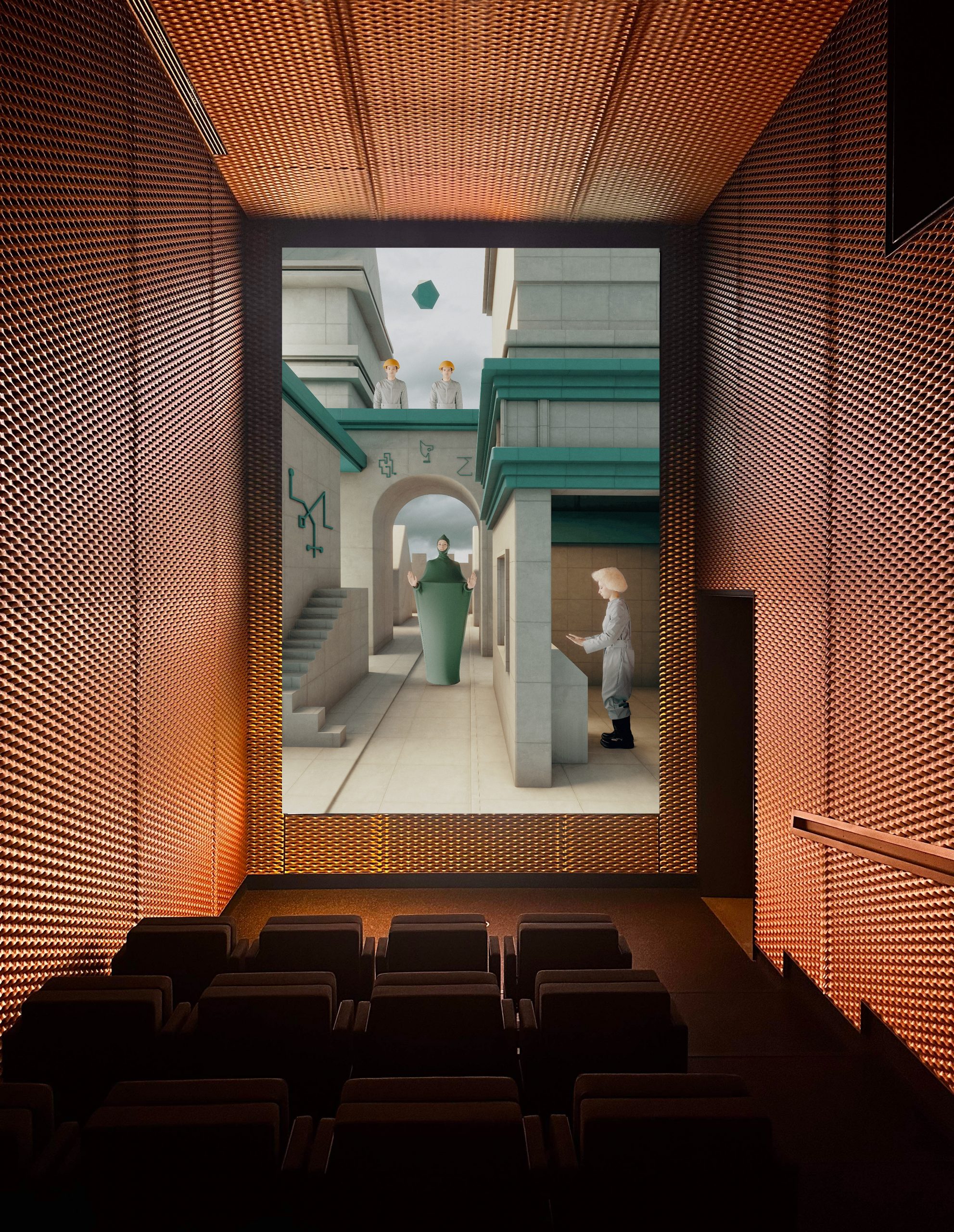
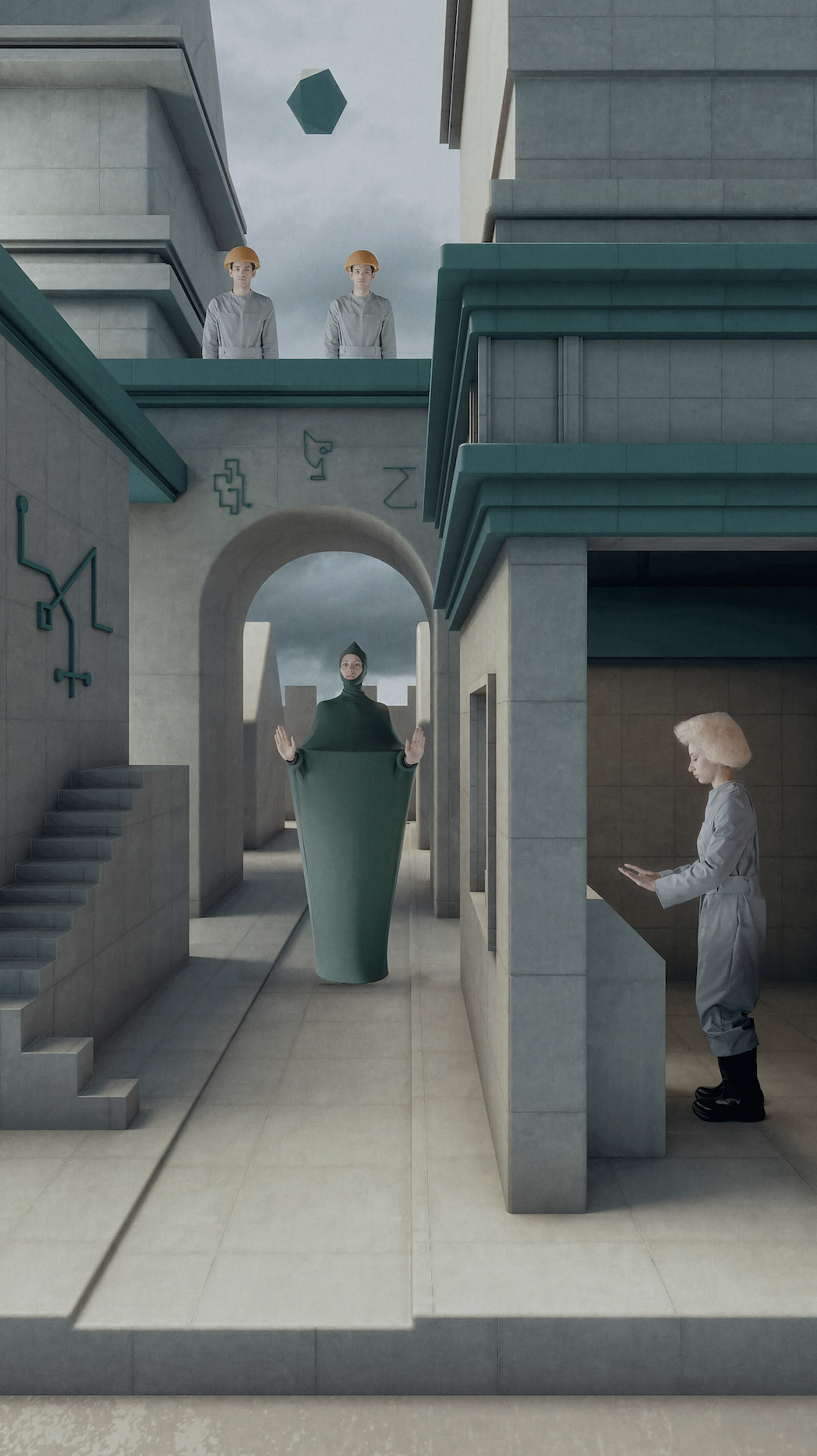
Formica collaboration, Room Awards, Matadero, Madrid
The work is part of a larger series titled Deemona, which speculates on our identity and our future role in a new era in which we are no longer the dominant cognitive force.
This piece attempts to reconstruct an ideal human society in a distant future, seen from the perspective of an artificial intelligence entity. The world of Deemona seeks to reconcile seemingly opposing human traits—such as productivity and spirituality, functionality and contemplation—while merging visual styles as diverse as the artistic and architectural traditions of Antiquity and the Renaissance with late capitalism’s corporate aesthetics of the twenty-first century.
LACMA, USA
Artists
Including Andy Warhol, Cory Archangel, Jeff Wall, Laurie Anderson, Thomas Ruff, David Byrne, Jim Shaw, Andreas Gursky, Petra Cortwright
Over the last four decades, image-editing software has radically transformed our visual world. The ease with which images and text can be digitally generated and altered has enabled new forms of creative experimentation, while also sparking philosophical debates about the very nature of representation. Digital Witness: Revolutions in Design, Photography, and Film examines the impact of digital manipulation tools from the 1980s to the present, for the first time assessing simultaneous developments and debates in the fields of photography, graphic design, and visual effects. Featuring over 150 works, the exhibition traces the emergence of distinctive digital aesthetic strategies, relationships to realism, and storytelling modes. The nearly 200 artists, designers, and makers in Digital Witness illuminate today’s visual culture where digital editing tools are easier to access than ever before.
Galerie Stadt Sindelfingen, Germany
Artists
Anonymous, Aram Bartholl, James Bridle, Adam Harvey, Femke Herregraven, Jonas Lund, !Mediengruppe Bitnik, Metahaven, Chino Moya, Olsen, Mimi Onuoha, Evan Roth, Eryk Salvaggio
With digital technologies permeating every aspect of our lives, reality increasingly becomes a predictable entity in which everything and everyone evaporates into information. The flood of information empties itself into the World Wide Web’s image flood that drowns us on the displays of our end devices, living a seemingly uncontrollable life of its own.
Whether smart phone, smart home, social software, bonus, navigation, traffic, or surveillance system – they have one thing in common: All of them collect personal information in the form of Big Data. The private sphere is thus dissolving and becoming transparent, while the processes triggered by these technologies remain opaque and hidden.
The artists gathered in the exhibition Decoding the Black Box shed light on the processes that take place in our end devices, the black boxes. They reveal the workings of digital technologies and at the same time visualise the effects they have on our perception of reality. While the capitalist and power-political structures of the internet and the virtual image economy are made transparent, the artists envision counter-designs for a decentralized and democratic use of technologies.
Civa, Belvedere 21 Museum, Vienna
HAB Museum, Budapest
Centro Conde Duque, Madrid
Benta, Istanbul
Voltaje, Colombia
Seventeen Gallery, London
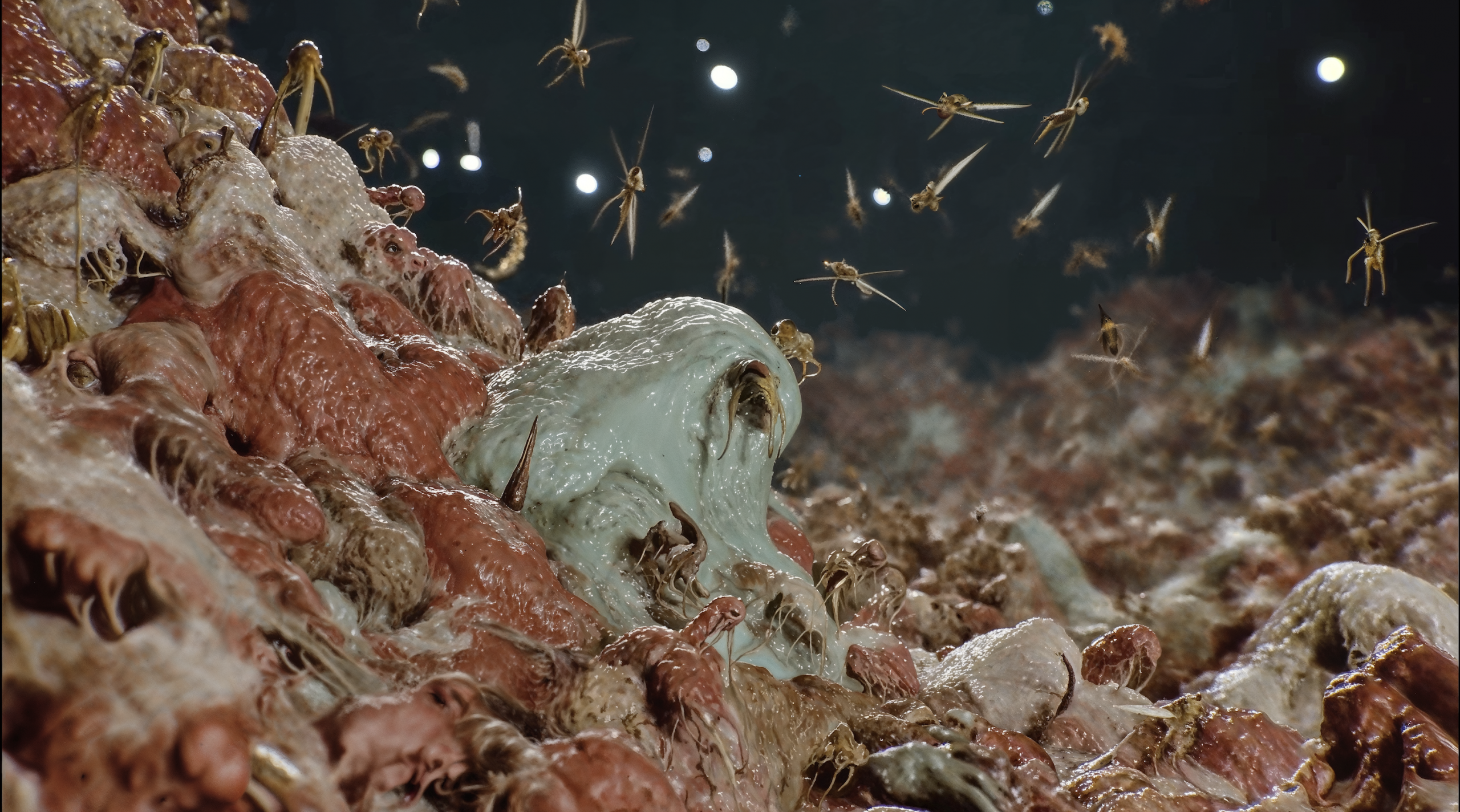
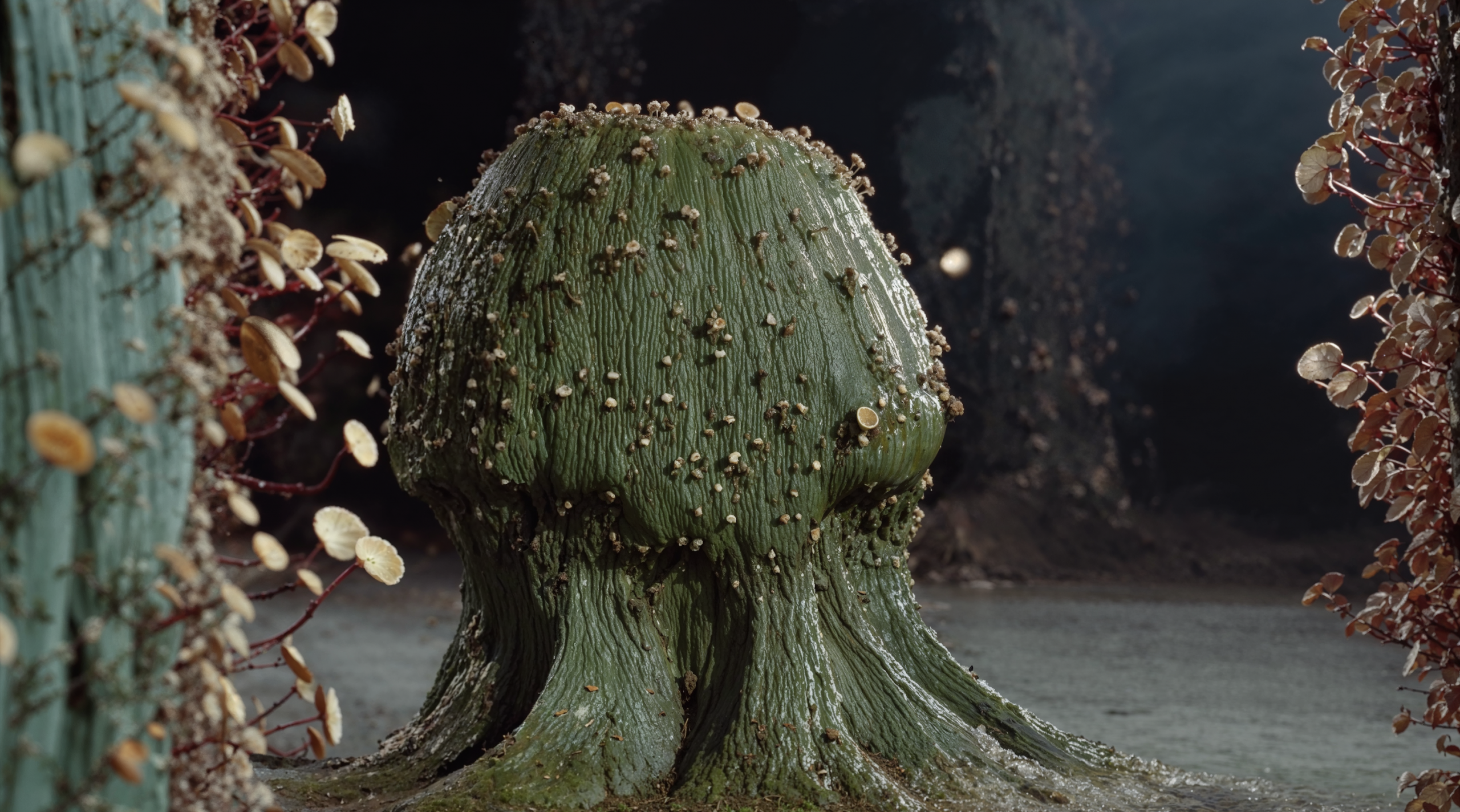
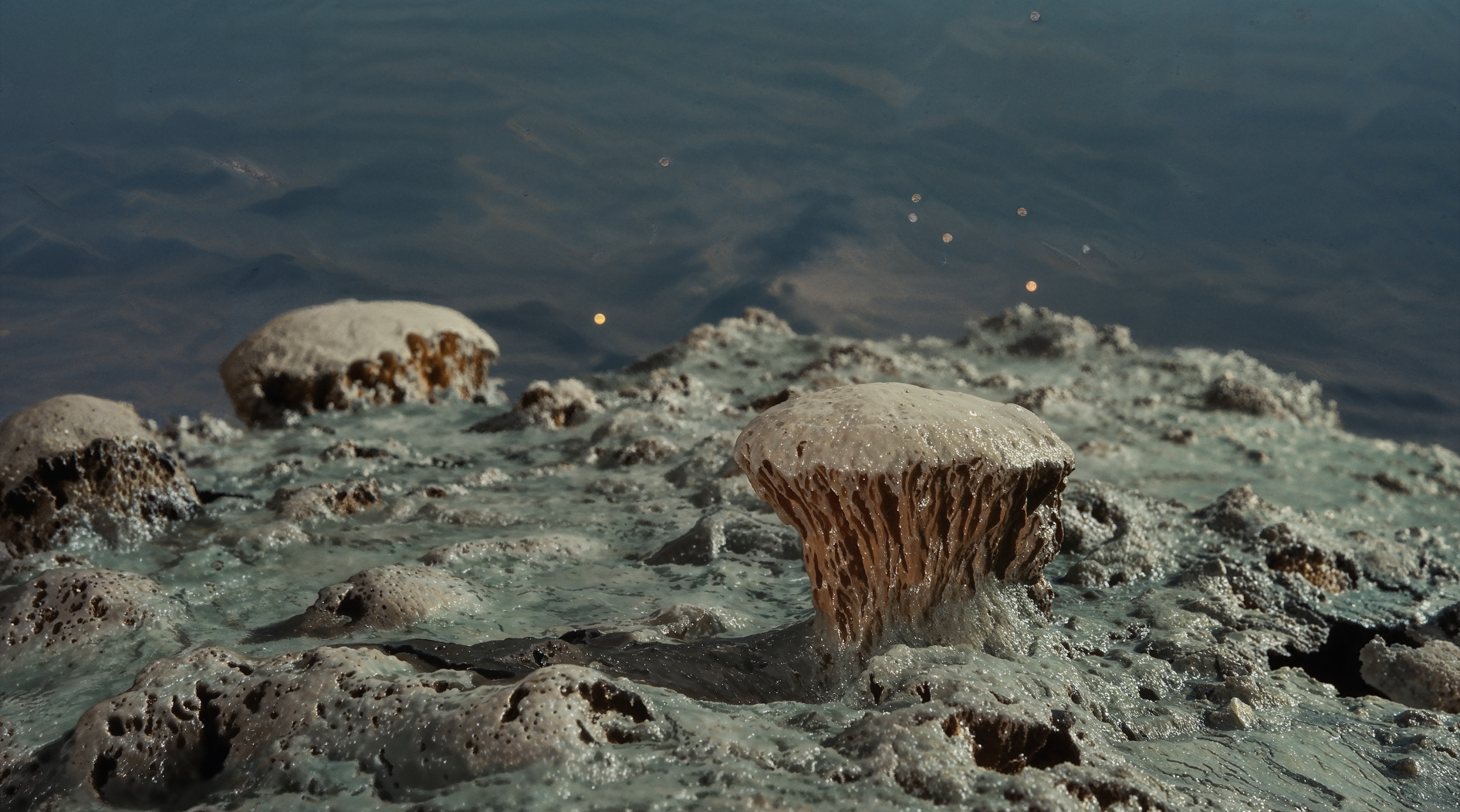
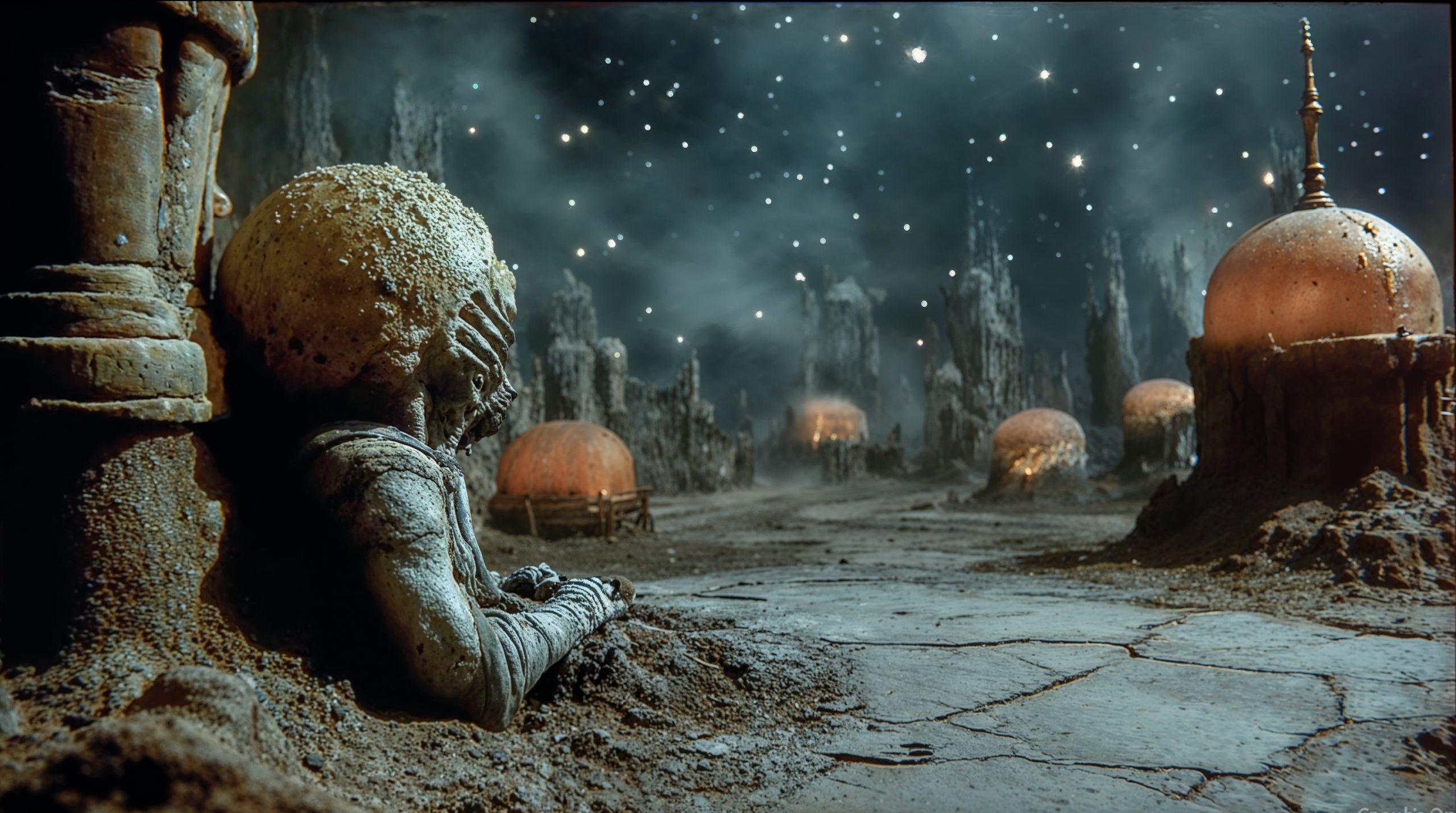
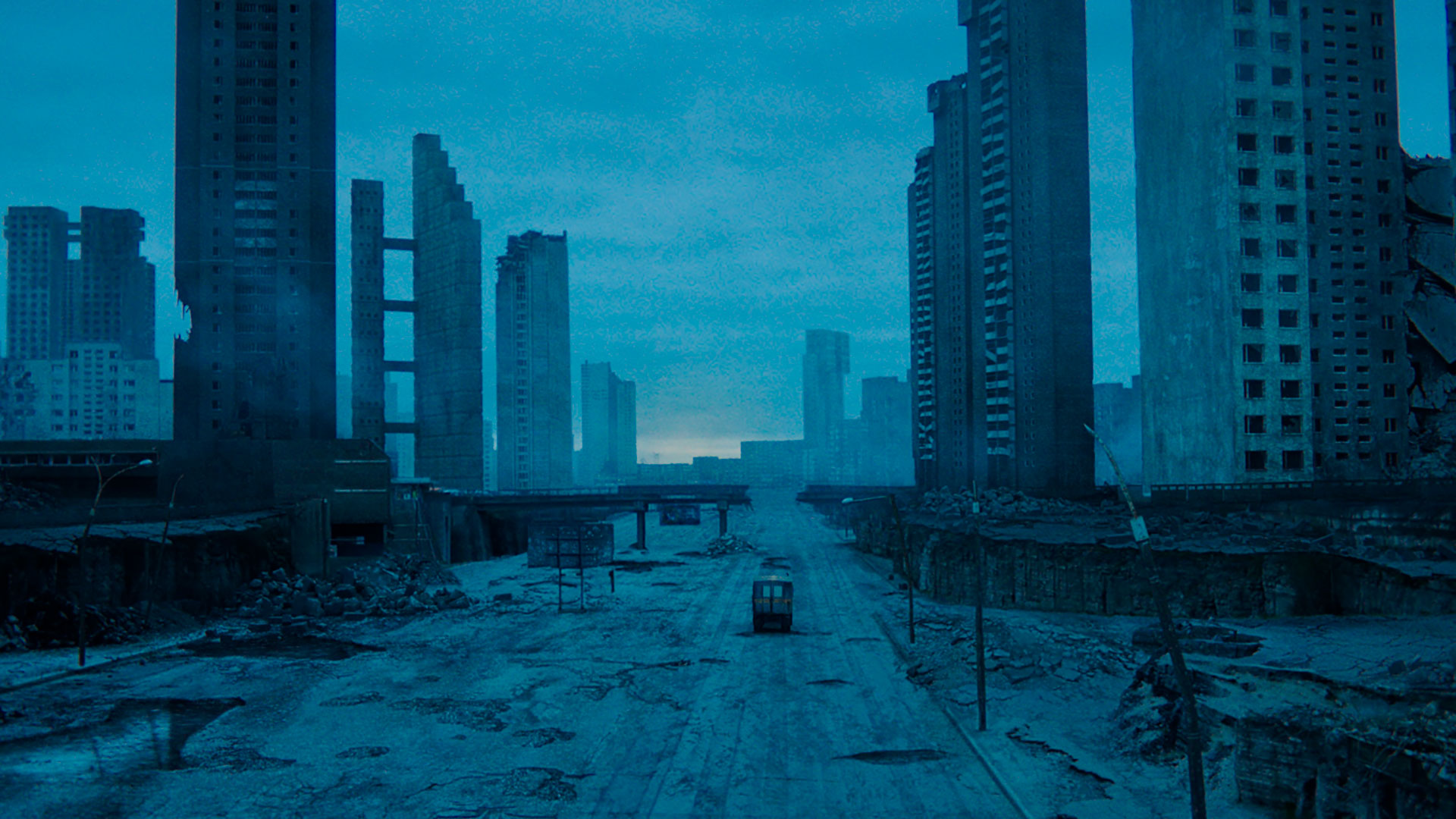
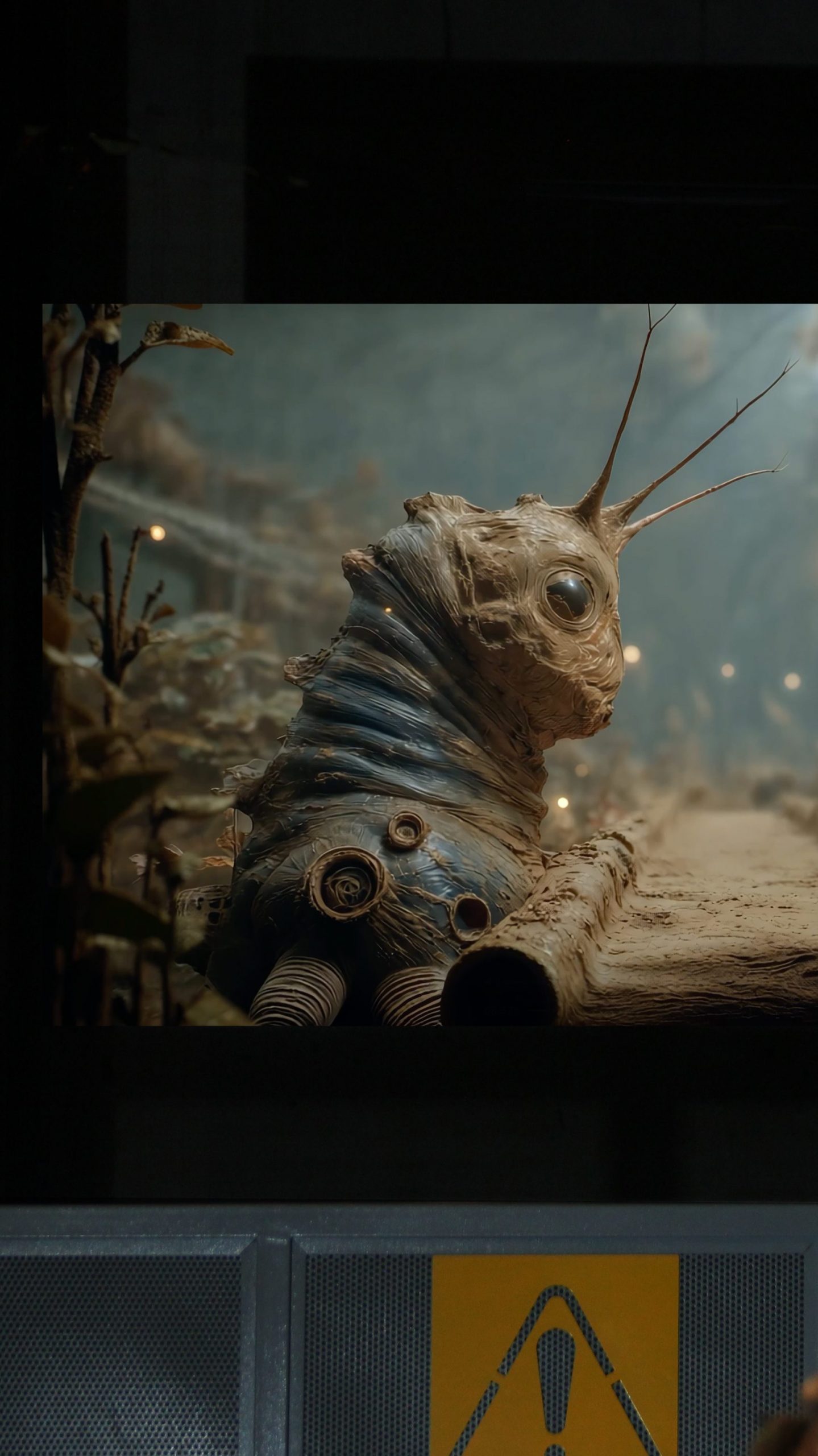
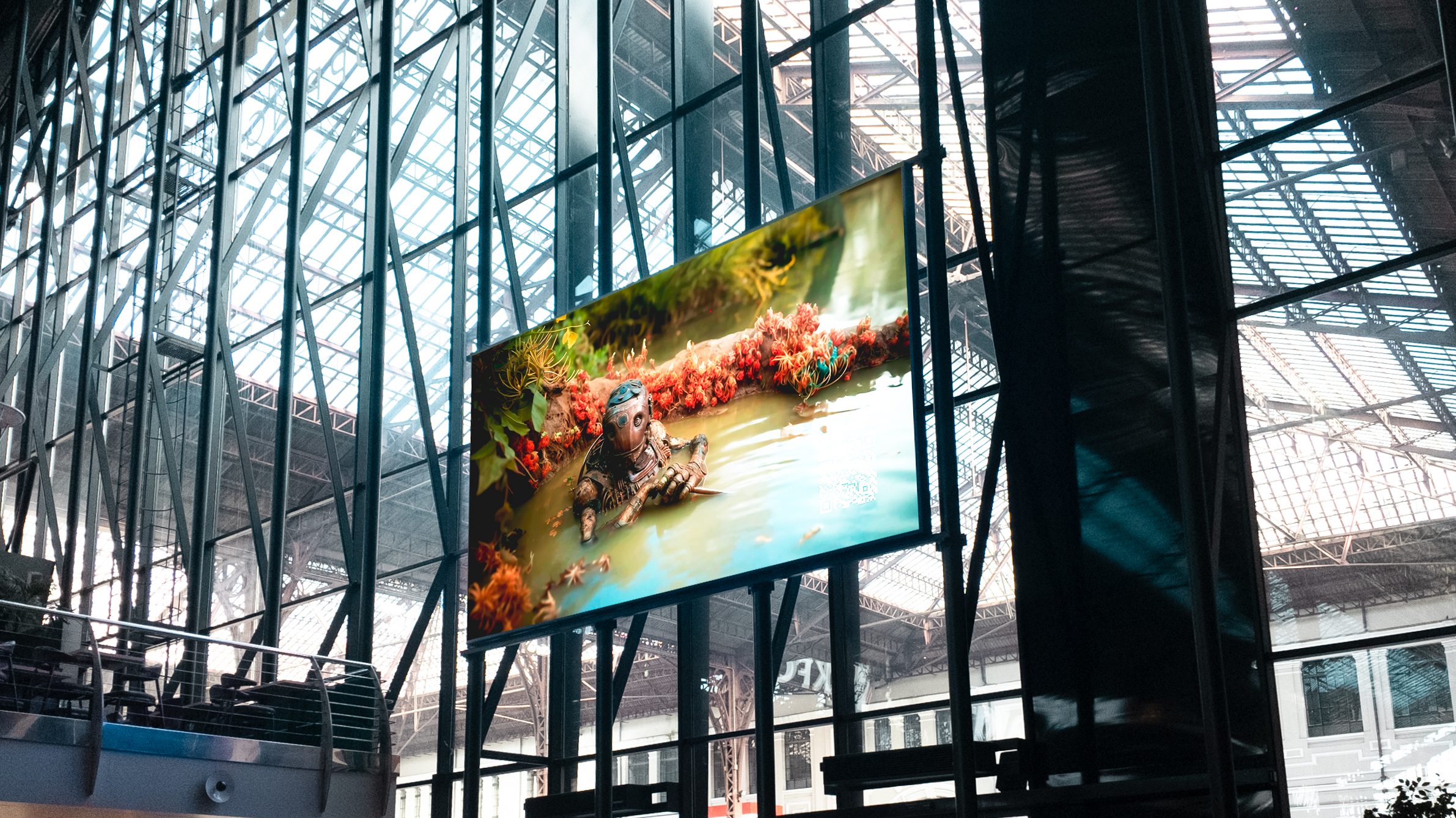
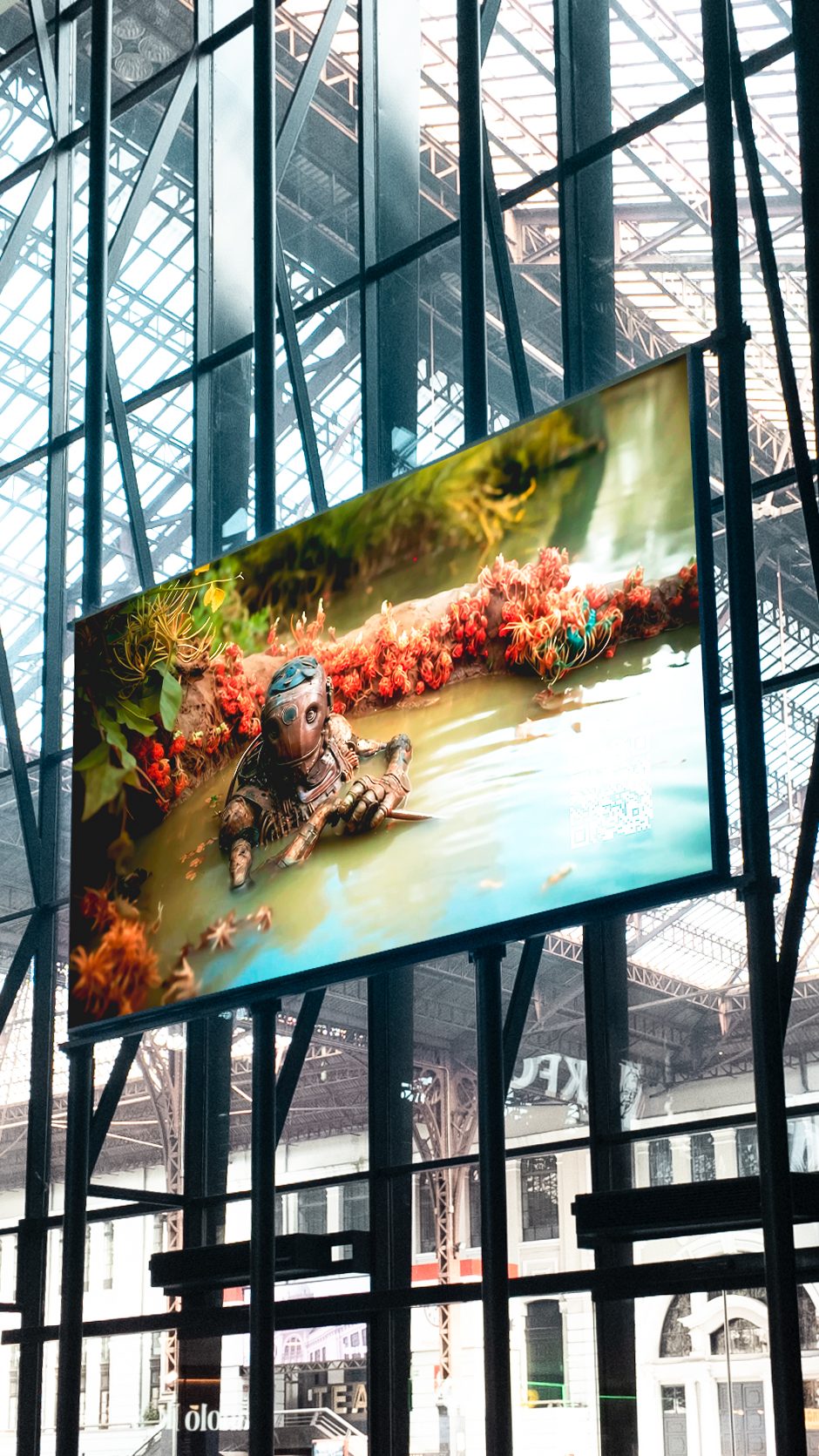
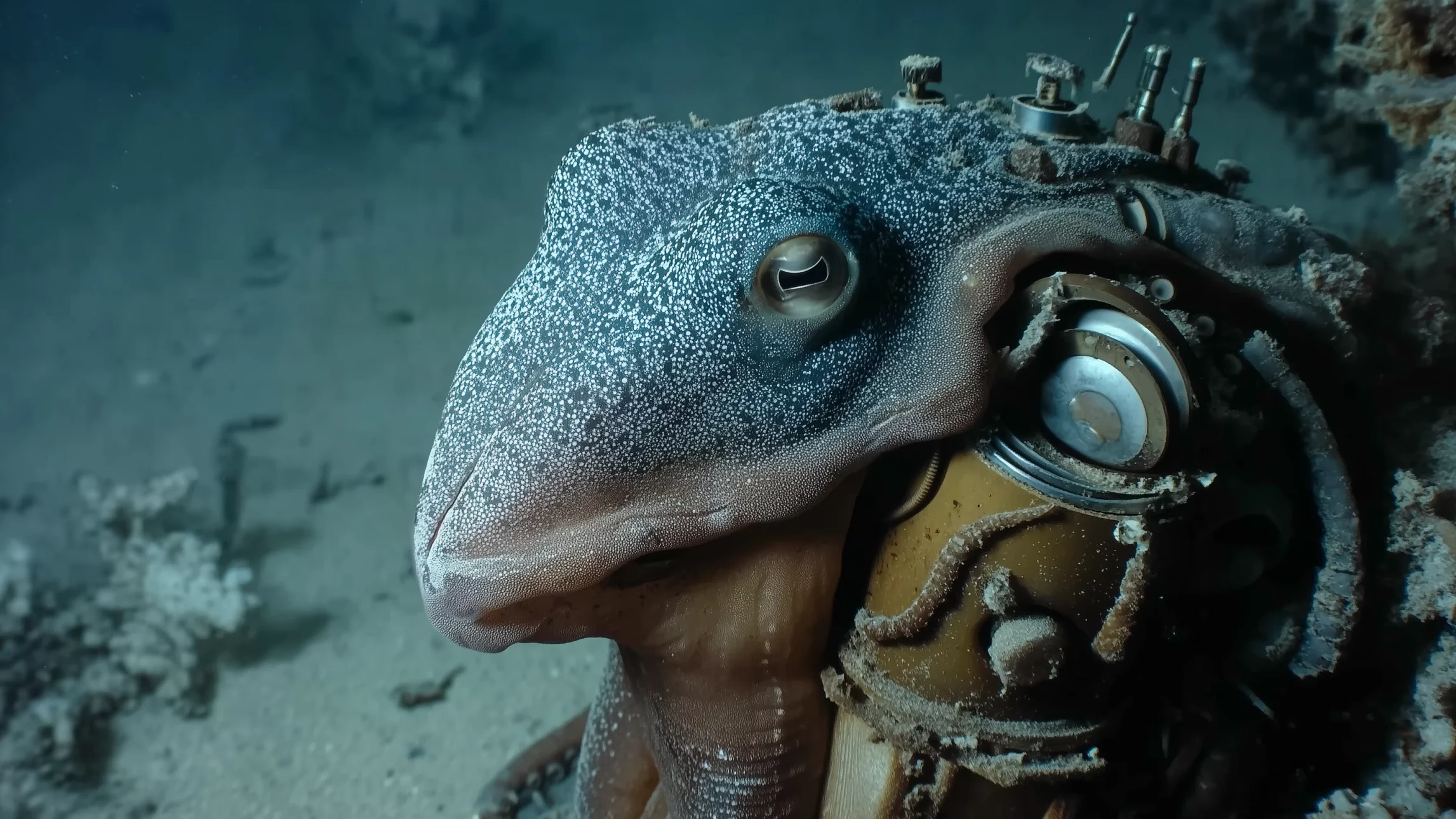
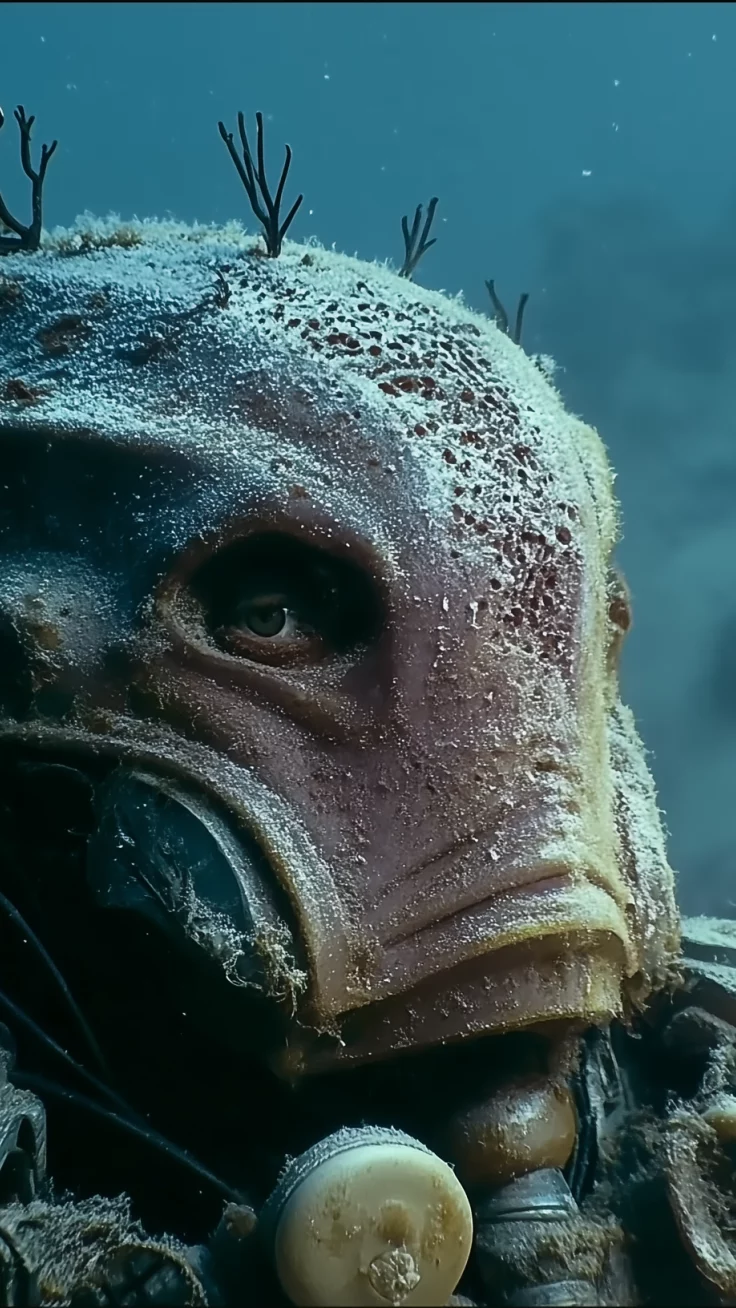
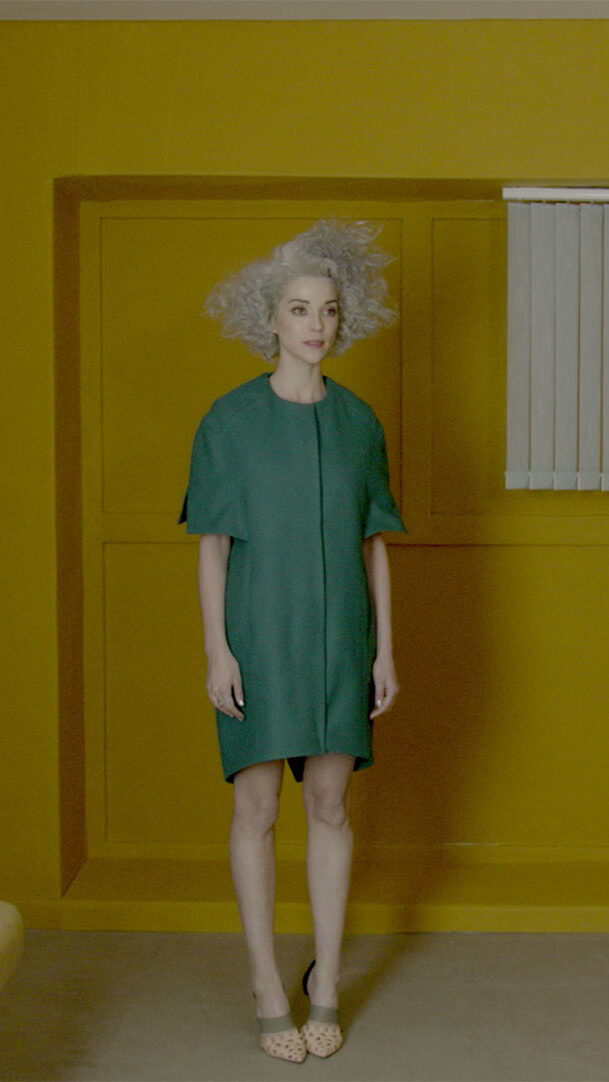
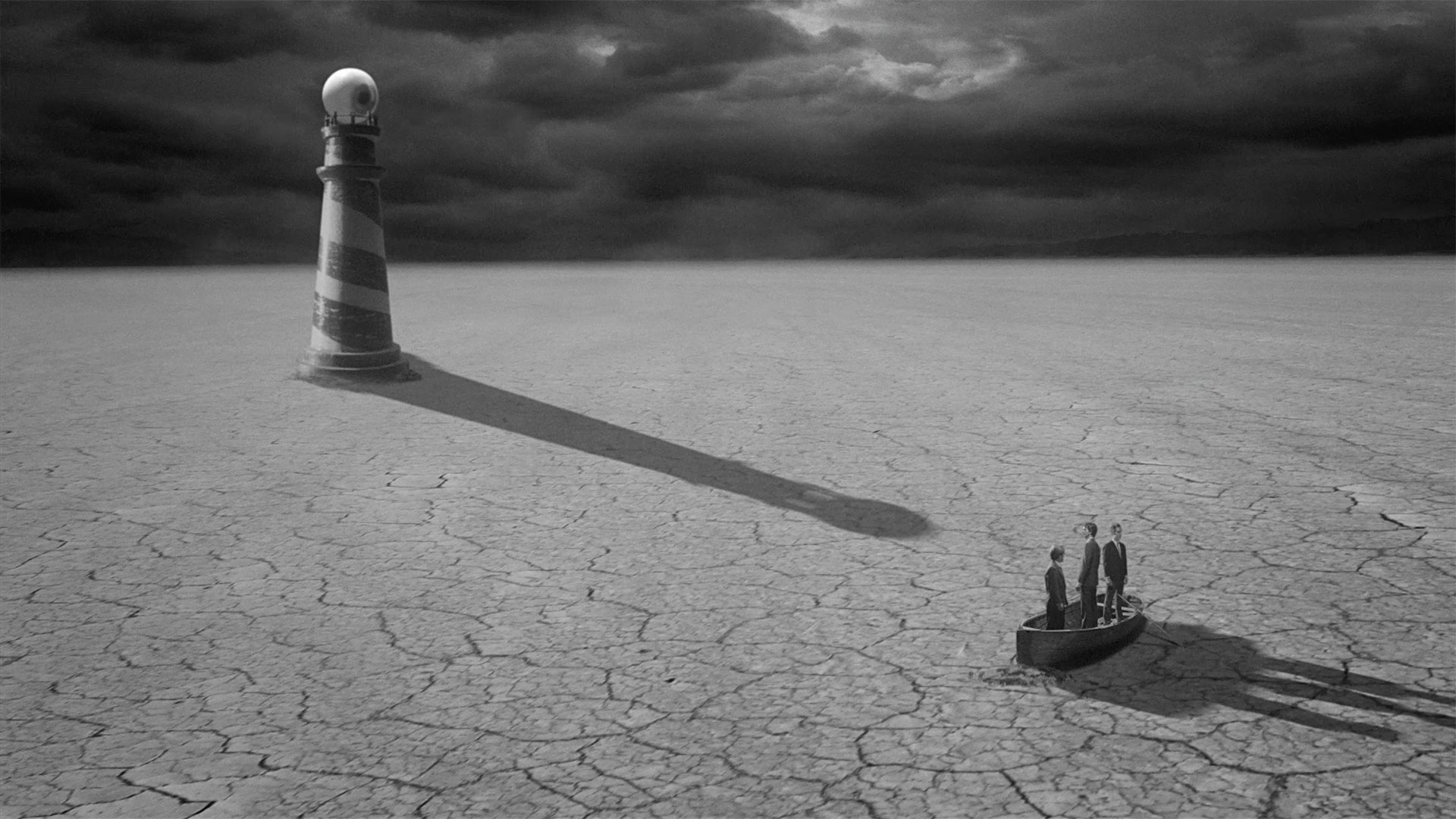
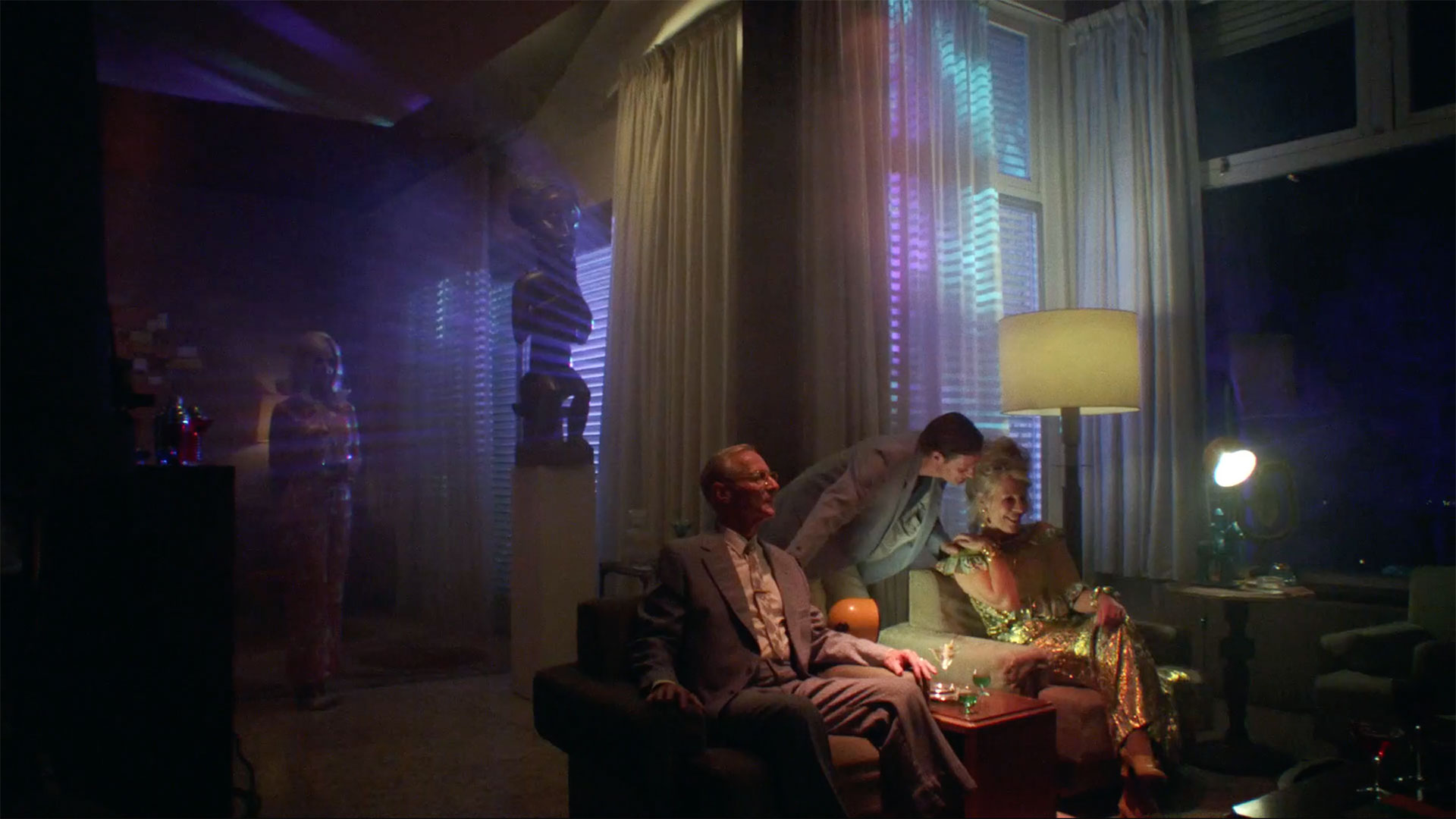
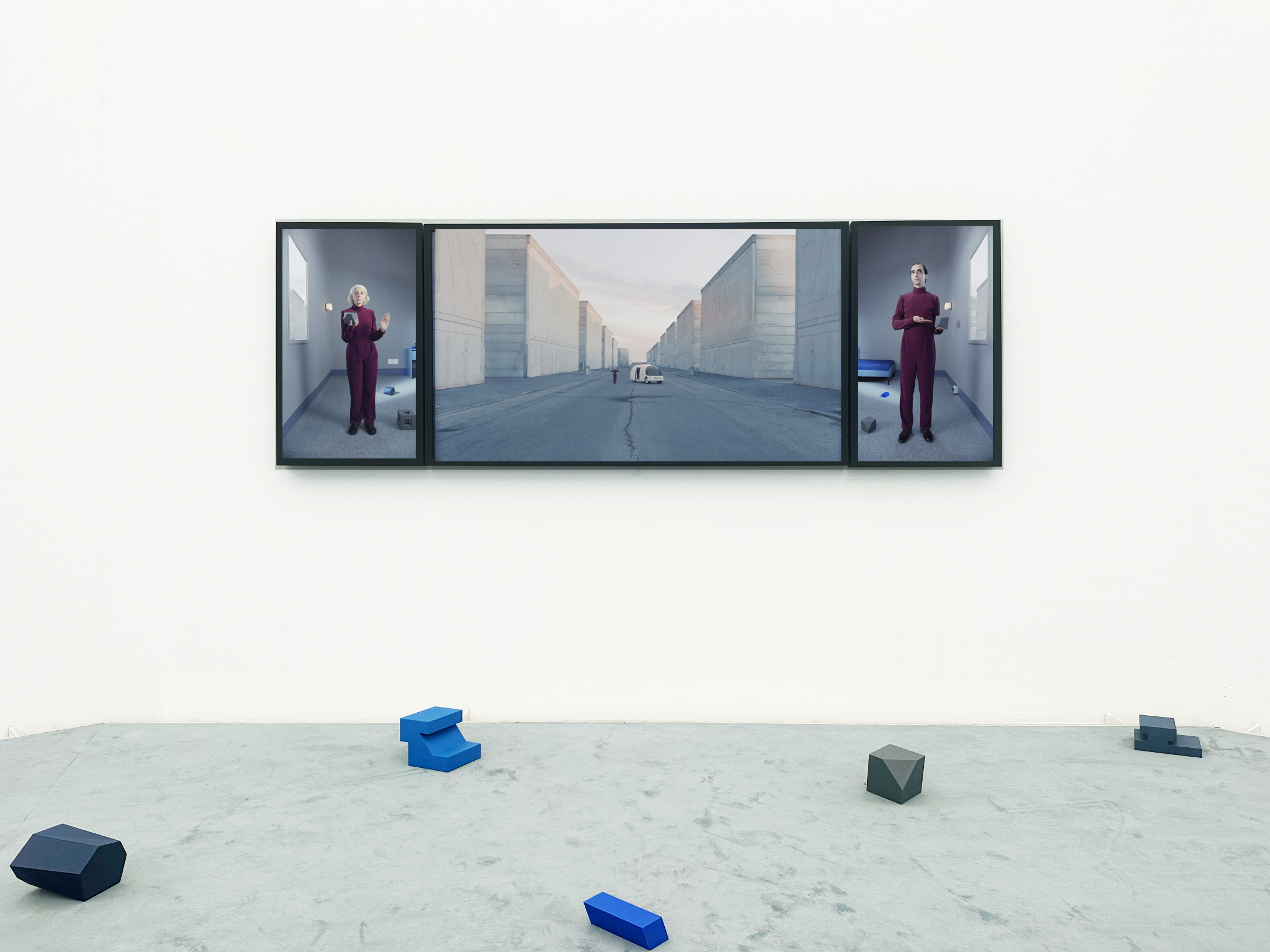
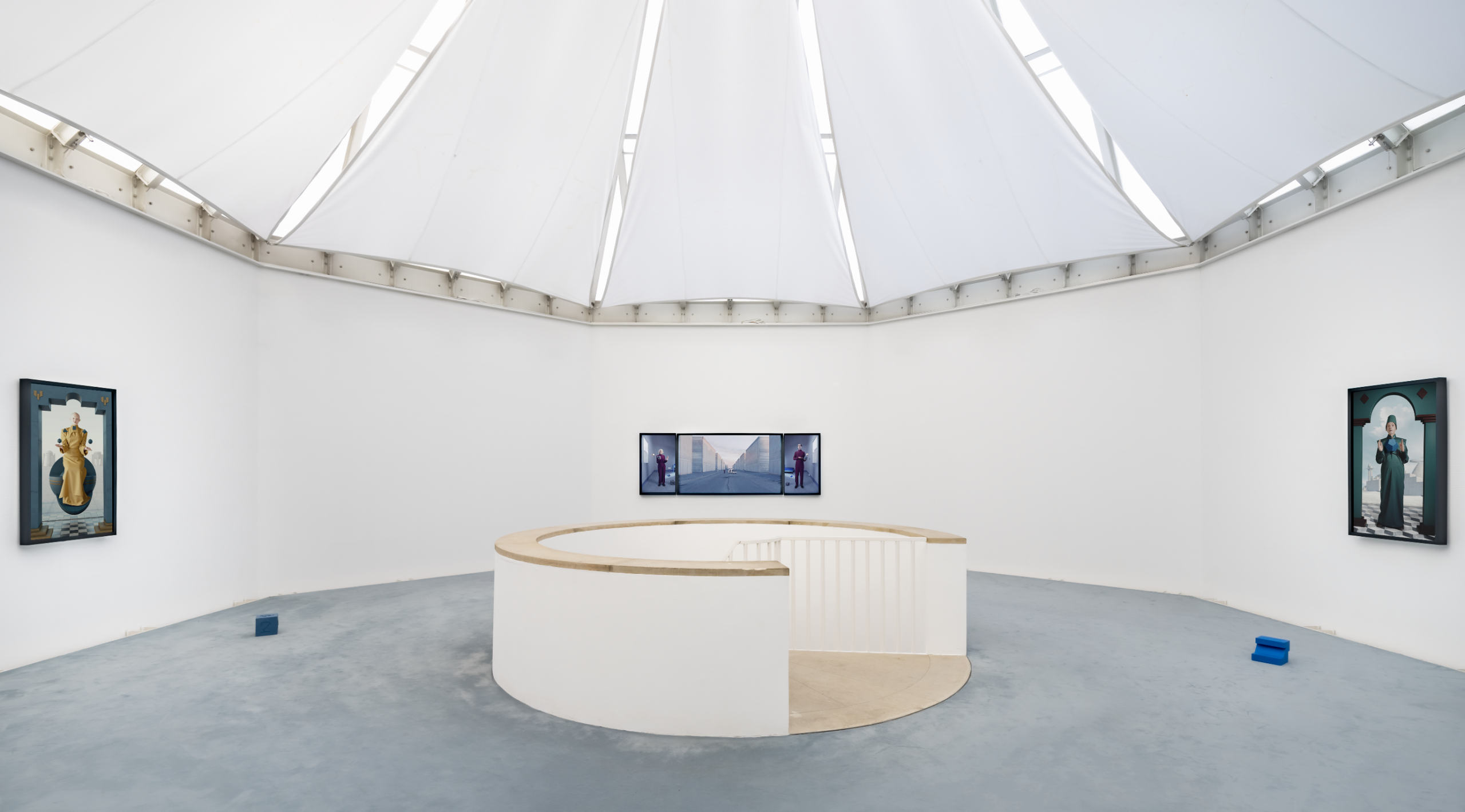
Fusing science fiction and documentary, Four Fluctuations chronicles a potential future history of humanity. A strangely familiar narrator guides us through four speculative ruptures, each created through advancing iterations of a single generative image system: the liberation from labour through artificial intelligence; the emergence of a post-corporeal reality structured by leisure; the digital extinction of humanity and its reconstruction by a synthetic entity, and the eventual convergence of humans, other-than-humans life forms, and machines into a shared cognitive assemblage.